Answering the need for dependable emergency towing in one compact guide, this article highlights five top options for boaters, jet skiers, and all-water responders. Each pick is suitable for different vessels and tow scenarios—from pontoon boats to personal water crafts. Read on to see which rope best fits your towing style, environment, and safety priorities, plus a practical buying guide and quick FAQs to help you decide.
Summary table of selected products:
| Product | Best For | Key Strength | Limitations |
|---|---|---|---|
| SELEWARE 24 ft Heavy Duty Boat Tow Harness | Large boats and pontoons | 3 stainless steel hooks, 2800 lbs load | Polyester rope may stretch under heavy load |
| Threlaco Tow Strap 40′ | Off-road and multi-vehicle recovery | High visibility, durable polypropylene | Not for water-specific use |
| JCHL Tow Strap 20′ | Universal vehicle towing | 15,000 lb rating, robust hooks | Shorter length than some apps |
| DAYDOOR Recovery Tow Rope Kit | Extreme recoveries | UHMWPE rope, 31,200 lb strength | Higher cost, more components |
| SETYPARY 60FT Tow Rope for Tubing | Water sports and tubing | 4,200 lb tensile strength, floating | Designed for tubing, not heavy vehicle towing |
SELEWARE 24 ft Heavy Duty Boat Tow Harness
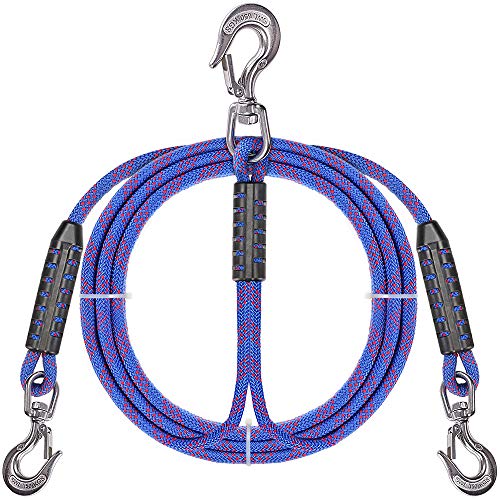
The SELEWARE tow harness is a 24-foot polyester rope system with three stainless steel hooks. It is UV resistant and weatherproof, designed to operate in marine environments and resist mold. This configuration suits larger boats, pontoons, and seadoos that may require multiple towing connections. Best for boaters needing a long, straightforward tow line with secure, locking connections.
Who it is best for: boat owners with pontoons or larger vessels that require reliable, easy hookups and corrosion-resistant hardware. Why selected: the three locking hooks reduce fumble time and provide dependable anchor points in rough water.
Caution: polyester can stretch under heavy load, which may affect immediate control during a high-tension tow. Inspect hooks and connections before use to ensure locking buckles engage fully.
Threlaco Tow Strap with Hooks, 40′

The Threlaco tow strap is a 2″ x 40′ heavy-duty option with bright orange color and double hooks featuring safety designs. It emphasizes durability in various climates and weather conditions, suitable for vehicle recovery, including cars, trucks, ATVs, and SUVs. Best for: versatile land and vehicle recoveries where visibility and durable hardware matter.
Why selected: the reflective, high-visibility design and sturdy polymer fabric make it easy to spot and secure during critical pulls. Limitations: intended primarily for land-based recoveries rather than water-specific towing, which may limit use case accuracy for marine tasks.
JCHL Tow Strap Heavy Duty with Hooks 20’
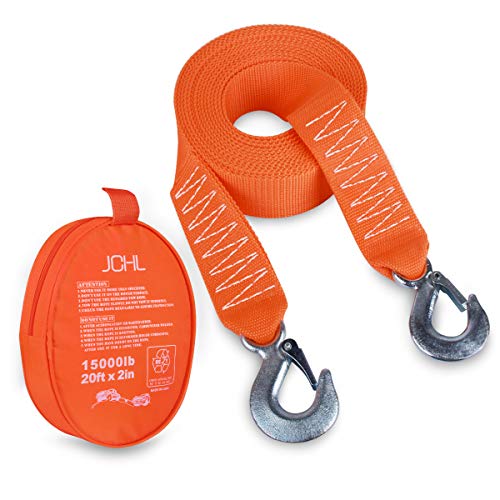
The JCHL tow strap provides a 15,000 lb rating in a compact 2″ x 20′ size, featuring two hooks and versatile use with hitch receivers, winches, and shackles. Best for: couples with mid-size trucks and SUVs who need a robust, portable recovery strap that works with standard towing gear. Why selected: a strong rating and universal compatibility help it fit many recovery scenarios.
Caution: the shorter 20-foot length might limit reach in some recovery situations; ensure anchors are accessible and clear before tying a tow.
DAYDOOR Recovery Tow Rope Kit

The DAYDOOR kit uses UHMWPE rope rated at 31,200 lbs break strength, designed for extreme towing and vehicle recovery. It includes two soft shackles rated at 48,000 lbs MBS, offering a lighter, safer alternative to metal hardware for high-load recoveries. Best for: off-road enthusiasts and heavy recoveries where minimal stretch and safe connections matter. Why selected: the UHMWPE rope provides low stretch, high strength, and the included soft shackles boost safety during pulls.
Caution: higher performance comes with higher cost and more components to maintain; inspect all components for wear after use.
SETYPARY 60FT Tow Rope For Tubing

The SETYPARY rope is designed for water sports, with a 60-foot length and a 4,200 lb tensile strength. It is floating and highly visible, a practical choice for tubing and towable tubes behind boats. Best for: water sport enthusiasts who need a long, floating line that remains visible and easy to handle in the water. Why selected: floating design reduces snag risk and makes spotting the line easier during busy water activities.
Caution: engineered more for tubing and recreational pulls than heavy-duty vehicle towing; ensure you select the correct product for your use case to avoid underperforming in demanding recoveries.
Buying Guide
What rope material should you choose?
Polyester offers UV resistance and good abrasion durability for marine use, while UHMWPE (ultra-high-molecular-weight polyethylene) provides very low stretch and high strength for extreme recoveries. Nylon offers elasticity for towing, but may absorb more water and stretch under load.
Length and strength considerations
- Longer ropes provide reach but add weight and potential drift risk in wind or current.
- Strength rating should exceed the maximum gross vehicle weight or tackle anticipated loads during a recovery. For marine use, consider additional safety margins for dynamic pulls.
Hardware quality and safety features
- Locking buckles or secure hooks reduce accidental detachment.
- Stainless steel hardware offers corrosion resistance in saltwater environments.
- Soft shackles can replace metal hardware for safer, lighter connections in some setups.
Water-specific vs. land-use considerations
Water-specific ropes are typically floating, UV-protected, and designed to resist saltwater exposure, while land-focused straps emphasize abrasion resistance and anchor versatility for roads and trails. Match the product to the primary environment of use.
Storage, maintenance, and inspection
Ropes should be stored dry and away from direct sunlight. Inspect for fraying, cut fibers, or corroded hooks before each use. Store in a bag or pouch to prevent tangling and damage.
Frequently Asked Questions
- What is an emergency tow rope best used for?
Emergency tow ropes are designed to help recover a stuck or disabled vessel or vehicle by providing a controlled, strong connection to another vessel or anchor point. They should be used with appropriate safety gear and procedures.
- Should I choose a floating rope for water use?
Yes. Floating ropes are easier to handle on water, reduce submersion risk, and are generally safer for lake or sea recoveries.
- How long should a towing rope be?
Longer ropes offer greater reach but add weight and complexity. For boats with wide maneuver space, 40–60 feet is common; for smaller crafts, 20–40 feet may suffice.
- Are metal shackles safer than soft shackles?
Metal shackles are robust but heavier and can kink or corrode. Soft shackles are lighter and reduce the risk of metal marring, but require proper inspection for wear.
- What maintenance is required after use?
Rinse with fresh water to remove salt, inspect for wear, dry completely, and store away from direct sunlight. Replace any frayed fibers or damaged hardware before next use.
- Can I use a towing strap for water recovery?
Some straps are designed for water use, but ensure the product is specifically rated for marine environments to avoid rapid degradation or unsafe handling.