When safety on the water is on the line, a reliable emergency beacon is essential. This guide compares top USCG-approved personal locator beacons (PLBs) and electronic distress signaling kits designed for boats, kayaks, and other vessels. Ideal buyers include boat owners seeking standalone locators, anglers needing reliable night signaling, and weekend mariners who want easy-to-use, subscription-free options. Below are five strong choices that balance visibility, GPS or homing signals, and rugged build for marine environments. A quick comparison table follows to help you decide at a glance.
Product at a glance
| Product | Best For | Key Benefit | Limitations |
|---|---|---|---|
| Sirius Signal C-1003 SOS LED Distress Signal | Daily boaters needing a complete, CG-approved signaling kit | 60-hour SOS, daytime flag, whistle | Batteries included; needs battery maintenance |
| ACR ResQLink 400 | Hikers, boaters seeking GPS-based rescue with no subscription | 406 MHz and GPS, subscription-free | May rely on rescue infrastructure for final location |
| TEKTITE SOSeFLARE 5 | Boaters wanting a USCG/SOLAS-compliant electronic distress flare | Long battery life, waterproof, floats upright | CR123 batteries; replacement parts may vary |
| ACR ResQLink View | Outdoor enthusiasts needing buoyant PLB with GPS and display | GPS, buoyant, returns link service | Requires careful testing to ensure visibility |
| Sirius Signal MK-1001 Kit | All-in-one safety solution for boats | Visual, audible, first aid integration | Complex setup; more components than single beacons |
Sirius Signal C-1003 SOS LED Distress Signal
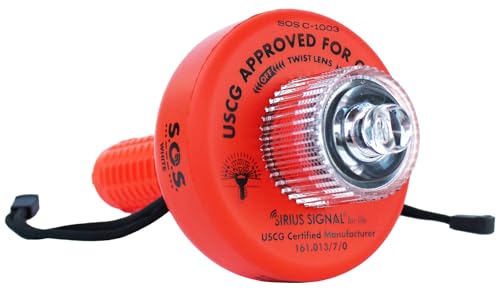
The Sirius Signal C-1003 is a Coast Guard-approved distress signaling kit designed to replace traditional pyrotechnic flares. It combines a bright SOS LED signal with a daytime distress flag and whistle. The kit is best for boaters who want a ready-to-use, non-pyrotechnic option that meets USCG requirements for night, day, and audible distress signals. It can flash the USCG-spec SOS for up to 60 hours, significantly exceeding typical minimums, and is visible up to 10 nautical miles. Caution: check battery status periodically and replace cells to maintain visibility during long trips.
Who it’s best for
- Boat owners seeking a CG-approved electronic flare replacement.
- Mariners wanting a compact kit with daytime signaling and audible alert.
Why selected
USCG approval and long-lasting LED signaling, paired with included daytime flag and whistle, make this a practical, all-weather option for night and day signaling.
Limitations
Battery maintenance is required; ensure spare batteries are on board and test procedures are followed to maintain readiness.
ACR ResQLink 400 – GPS PLB

The ACR ResQLink 400 provides GPS-enabled distress signaling with global coverage. It operates without ongoing subscriptions and leverages 406 MHz distress and homing signals to help rescuers quickly pinpoint your location, while an LED strobe and infrared strobe improve visibility in low light. This choice is well suited for hikers, boaters, and anglers who want reliable, subscription-free rescue alerts. Limitations include dependence on satellite networks for GPS data and response times that vary with conditions.
Who it’s best for
- Boaters who want a GPS-enabled beacon with global coverage and no subscription fees.
- Outdoor enthusiasts who need a compact, portable PLB for multiple activities.
Why selected
Subscription-free operation and robust satellite-based signaling provide broad rescue reach, making it a dependable choice for remote or offshore trips.
Caution
Ensure the device is registered with the appropriate authority and that you carry fresh batteries and test the unit in accordance with manufacturer instructions.
ACR ResQFlare Electronic Distress E-Flare
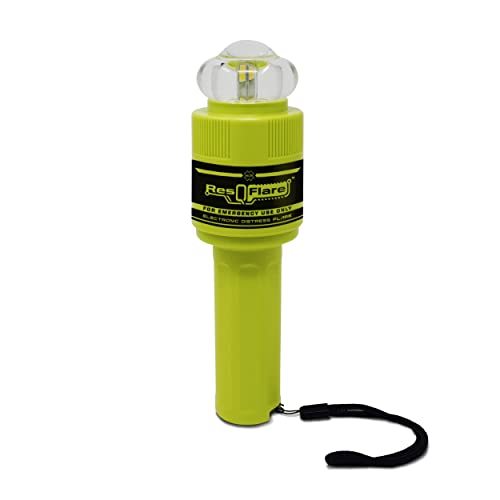
The ResQFlare kit combines an electronic distress light with a dedicated distress flag, providing a non-pyrotechnic replacement for USCG flares. It offers 360° visibility, is waterproof (IP67), and floats upright when in water. This solution is ideal for vessel operators who want combined daytime and nighttime signaling in a single package. A potential limitation is the need to rely on electronic power and battery life for prolonged emergencies.
Who it’s best for
- Boaters seeking a USCG 161.013-compliant night signal with a day signal flag.
- People who prefer a compact, waterproof signaling device that works in rain or spray.
Why selected
Combining electronic signaling with a daytime flag creates a versatile, all-weather signaling option that covers both visibility requirements and regulatory expectations.
ACR ResQLink View – Buoyant PLB with GPS
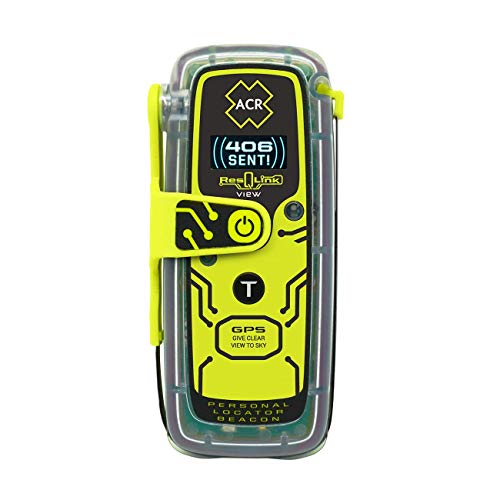
The ResQLink View adds a digital display and buoyant design to the standard GPS-enabled ResQLink family. It includes a Return Link Service (RLS) to confirm rescue receipt and a 406 MHz distress signal with GPS, ensuring responders know your exact location. This option is best for boaters and outdoor enthusiasts who value a visible, on-device status display and buoyancy for floating protection. Caution: the unit requires proper activation and registration, and the display adds size and weight compared to non-display PLBs.
Who it’s best for
- Mariners who want a digital display for status checks and GPS positioning.
- Boaters who prioritize buoyancy and a verifiable rescue acknowledgment.
Why selected
RLS and a clear GPS readout improve post-activation situational awareness for both the user and rescuers, reducing uncertainty during emergencies.
Sirius Signal MK-1001 Kit

The MK-1001 combines visual and audible distress signaling with first aid tools, forming an all-in-one safety solution for watercraft. It builds on the proven C-1003 approach by aggregating safety components into a single kit, ideal for mariners who want a comprehensive emergency package on board. Best for: boaters who prefer an integrated safety system. Limitation: more components mean more to manage and ensure readiness for use during emergencies.
Who it’s best for
- Boat crews seeking an all-in-one safety setup for signaling and basic emergency response.
- Vessels where space permits a multi-solution safety kit.
Why selected
Combining multiple signaling modes with first aid increases the likelihood of effective action in diverse scenarios, from night signaling to daylight visibility.
Buying Guide: Practical Considerations for Marine Emergency Signaling
- What signaling standard do you need? USCG approval and 406 MHz GPS signals are common standards for marine beacons; ensure the kit meets relevant Coast Guard requirements for your boat class and region.
- Do you want GPS and/or homing signals? GPS-enabled PLBs help rescuers locate you quickly, while homing beacons help nearby responders track you in difficult conditions. Some devices pair both functions for redundancy.
- Is the device buoyant and water-resistant? Buoyancy helps ensure signal visibility when dropped in water, and IP ratings (like IP67) indicate waterproof performance.
- What is the battery life and replacement plan? Longer battery life reduces the chance of device failure during extended trips; keep spare batteries and understand replacement intervals.
- Will you use a single kit or an all-in-one system? All-in-one kits simplify management but may be bulkier; selective devices offer modular flexibility.
- Registration and activation procedures: Many PLBs require initial registration, which enables faster rescue, and some models support tests without triggering alarms.
Comparison tips
- Best for quick, pre-packaged signaling: C-1003 and ResQFlare offer straightforward operation and CG alignment.
- Best for GPS-focused safety: ResQLink 400 and ResQLink View provide precise location data to rescuers without ongoing fees.
- Best for all-in-one safety kits: MK-1001 bundles signaling with first aid and tools, suitable for crews who want broad emergency readiness.
Important maintenance steps
- Test signaling devices according to manufacturer guidelines, without declaring an actual emergency.
- Inspect waterproof seals, replace batteries on schedule, and store devices in accessible locations with clear labeling.
- Keep spare batteries and any required flags or accessories onboard and organized for quick deployment.
FAQ
- Q: Do these beacons require a subscription? A: Some models are subscription-free (e.g., ResQLink 400) while others may offer optional testing services; check product details for specifics.
- Q: How does GPS improve rescue times? A: GPS provides rescuers with your precise location, reducing search time and enabling faster assistance.
- Q: Can I test a beacon safely? A: Yes, most devices allow non-emergency self-tests; follow the manual to avoid false alarms.
- Q: Are these devices waterproof? A: Many models are rated IP67 or higher and float upright, but confirm the exact rating in the product specs.
- Q: How should I choose between a single-beacon kit and a multi-signal system? A: If you want simplicity and CG compliance, a single-beacon kit is ideal; for broader emergency readiness, an all-in-one system offers more capabilities.