Saltwater can accelerate corrosion, wear, and damage on metal surfaces and gear. This guide highlights five effective salt water protection sprays and coatings designed for tough marine and outdoor environments. Each option targets different needs—from heavy-duty anti-rust barriers to long-lasting ceramic protection and no-rinse formulas. Use this to match a product to your specific use case, whether you’re protecting boat trailers, hinges, tackle gear, or stainless surfaces.
| Product | Best For |
|---|---|
| CorrosionX Heavy Duty Anti Rust Spray | Marine and industrial equipment; large electrical connections |
| STAR BRITE Ceramics Metal Protect | Salt exposure areas; pontoons, trailers, towers |
| Ardent Saltwater Guard Corrosion Inhibitor (16 oz) | All metal items in saltwater; easy no-rinse use |
| 303 Marine Aerospace Protectant | UV protection and surface finish on multiple materials |
| Ardent Saltwater Guard Corrosion Inhibitor (2 Pack) | Value pack for multiple items or backups |
CorrosionX Heavy Duty Anti Rust Spray

This self-healing barrier spray clings to metal to protect against rain, seawater, and pressure washing. It resists dripping and washing away, creating a durable shield in harsh outdoor conditions. Best for larger, exposed components on marine trailers and farm equipment where a long-term defense matters.
- Best for: heavy-duty outdoor metal protection where moisture is persistent.
- Why chosen: promises up to 5 years indoors and 2 years outdoors, extending asset life in challenging environments.
- Limitation: labeled as a thick barrier; application can be messy if not applied carefully to small components.
STAR BRITE Ceramics Metal Protect

SiO2 ceramic polymers form a durable barrier against corrosion, pitting, and salt damage. The spray helps repel water, dirt, and grime, reducing maintenance effort. Suitable for pontoons, trailers, towers, and various metals for straightforward, long-lasting protection.
- Best for: long-term protection on exposed metal surfaces in salt environments.
- Why chosen: ceramic-based coating offers durable, low-maintenance defense against salt and wear.
- Limitation: may require surface cleaning prior to optimal adhesion; not designed for all plastics.
Ardent Saltwater Guard Corrosion Inhibitor (16 oz)

This spray protects all metal items exposed to saltwater by dissolving salt and mineral buildup that can cause galvanic corrosion. It dries without rinsing and aims to reduce mineral deposits left by salt exposure on tackle, hinges, locks, and grills.
- Best for: quick, no-rinse protection on a variety of metal items.
- Why chosen: focuses on dissolving mineral buildup to support corrosion resistance.
- Limitation: as a no-rinse formula, repeated heavy exposure may require reapplication for ongoing protection.
303 Marine Aerospace Protectant
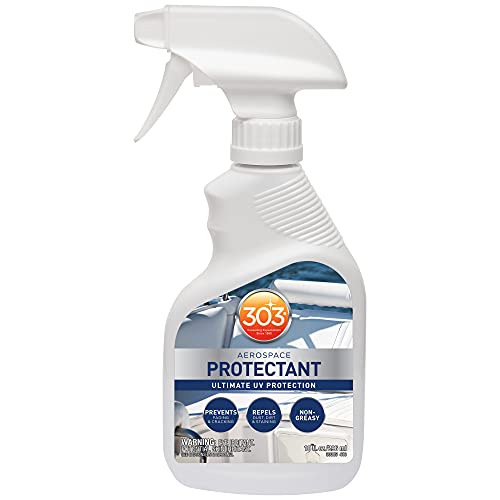
Provdes UV protection and repels dust, dirt, and staining while restoring a like-new appearance. Dries to a smooth matte finish on vinyl, plastic, rubber, metal, fiberglass, and more. Not recommended for clear plastics or unfinished leather.
- Best for: surfaces needing UV protection and a matte finish with saltwater exposure.
- Why chosen: versatile, multi-surface suitability helps simplify maintenance on mixed-material gear.
- Limitation: avoid clear plastics and unfinished leather for best results.
Ardent Saltwater Guard Corrosion Inhibitor (2 Pack)

This two-pack provides persistent saltwater protection with the same no-rinse formula as the 16 oz version. It supports both immediate and ongoing corrosion resistance for multiple metal components, useful for workshops or on-board storage.
- Best for: buyers needing multiple applications or backup bottles.
- Why chosen: value pack reduces total cost per spray while maintaining protection quality.
- Limitation: as with other sprays, ensure surfaces are clean to maximize adhesion.
Buying Guide
What to consider when choosing a saltwater protection spray:
- Surface type: Metals, plastics, and composites respond differently to coatings. For bare metal and heavy exposure, opt for barrier-like or ceramic formulations.
- Protection duration: Indoor use may yield longer-lasting results than outdoor use. If outdoor exposure is frequent, look for products claiming multi-year protection in outdoor conditions.
- Application method: No-rinse formulas offer convenience for quick protection, while drippable or thicker barriers may provide longer-term defense but require careful application.
- Maintenance needs: Some coatings repel water and dirt to ease cleaning; others focus on dissolving mineral buildup. Choose based on your maintenance routine and environment.
- Surface compatibility: Check whether the product is appropriate for the specific metals (aluminum, stainless steel, ferrous metals) and whether it’s safe for electrical terminals or sensitive components.
FAQ
- Q: Do saltwater protection sprays require rinsing? A: Some do not require rinsing and dry to form a protective layer; others may need cleaning before application.
- Q: Are ceramic-based protectants better for salt exposure? A: Ceramic-based coatings often provide durable barriers against salt, but may require proper surface preparation.
- Q: Can I use these sprays on wood or painted surfaces? A: Most sprays are designed for metals and certain plastics; check compatibility for non-metal surfaces.
- Q: How often should I reapply in a marine environment? A: Reapplication frequency depends on exposure and product type; follow manufacturer guidelines for outdoor use.
- Q: Is no-rinse always the best choice? A: No-rinse offers convenience, but intensive environments may benefit from longer-lasting barrier products.
- Q: Are these products safe for electrical connections? A: Some formulations are designed for electrical terminals; avoid conductive components with thick, non-conductive coatings unless specified.