Answering the need for reliable wind readings on a sailboat, these wind instruments provide clear data for cruising, racing, and casual days on the water. Best for sailors seeking accurate wind direction and speed indicators, these options range from traditional vane indicators to modern digital displays. This guide highlights five top choices and explains who benefits most from each, along with practical considerations to help you choose.
| Product | Best For | Why It Stands Out |
|---|---|---|
| Garmin GNX Wind | New-to-mid-range sailboats | Digital wind data with a high-contrast display and multiple data fields |
| Windex XL | Cruisers and racers who want trusted, traditional wind vanes | Longstanding reliability and day/night visibility |
| Five Oceans 14-1/2″ Wind Direction Indicator | Smaller vessels seeking a robust vane | Compact vane with visible through-bolt mounting |
| Blueshark 18″ Wind Indicator | Medium to larger sailboats | Long carbon fiber vane, strong corrosion resistance |
| Blueshark 9.8″ Wind Indicator | Compact setups or auxiliary vessels | Smaller vane with durable construction |
Garmin GNX Wind, Affordable, Dedicated Wind Instrument for Sailboats
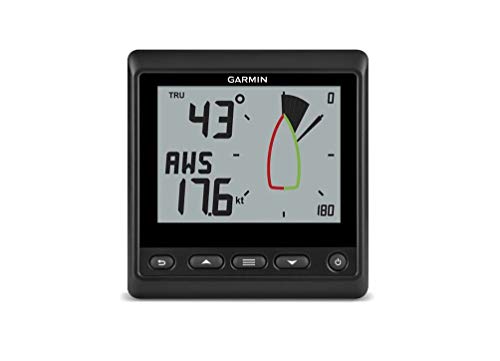
The Garmin GNX Wind provides a digital readout designed for sailboats, displaying true and apparent wind data across two data fields and a digital wind rose. It supports easy-to-read, backlit monochrome display with high contrast, and includes features like Steer Pilot and boat speed readings. Best for sailors who prefer digital wind data with clear, at-a-glance visibility in all lighting conditions. Limitations include reliance on mounting and integration within an onboard display system, which may require compatible hardware.
Windex XL Wind Direction Indicator

The Windex XL offers a complete wind direction indicator package with a vane, mast socket, and supporting rod. It includes reflector tape for daytime and nighttime visibility, making it a top choice for cruisers and racers who prioritize reliable wind direction information. Best for boats up to 40–100 feet, and for sailors who want a proven, easy-to-read vane. A potential limitation is its physical size on smaller vessels; ensure mast height accommodates the unit.
Five Oceans 14-1/2-Inch Wind Direction Indicator
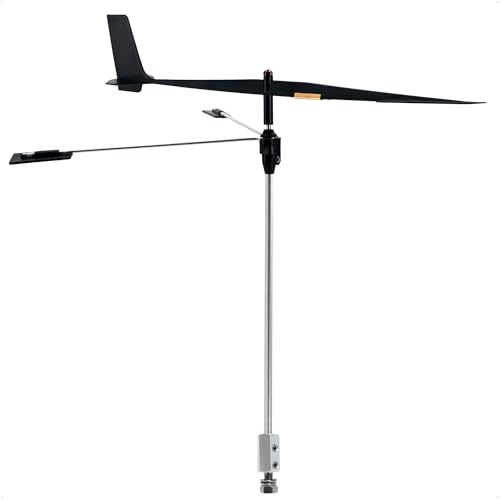
This wind direction indicator is suited for sailboats or vessels around 15 feet and larger, with a vane length of about 14-1/4″ and through-bolt mounting. It remains visible in light breezes and offers straightforward setup, including stainless steel hardware. Best for smaller to mid-sized boats needing a reliable, simple wind vane. It may be less feature-rich than digital options but excels in reliability and ease of use.
Blueshark 18″ Wind Indicator (460-D)

With a 18-inch carbon fiber vane and corrosion-resistant construction, this Blueshark wind indicator is designed for boats in the 6–9 meter range. Best for sailors who need a longer vane for enhanced wind awareness and durability in saltwater conditions. This option is well-suited for more active sailing and racing scenarios, though it may be overkill for very small dinghies.
Blueshark 9.8″ Wind Indicator
This smaller Blueshark model uses a carbon fiber vane for corrosion resistance and is designed for compact boats, typically LOA 2–4 meters. Best for small sailboats or daysailers where space is limited but wind information remains essential. A limitation is it may be less robust in very heavy wind conditions compared to larger indicators.
Buying Guide
What is your boat size and mast setup? Choose a wind indicator with a vane length and mounting method that fits your boat. For digital lovers, Garmin GNX Wind offers data-rich readings; for traditional sailors, Windex XL provides a time-tested vane with strong visibility. If you have limited space, the Five Oceans or Blueshark 9.8″ models offer compact options without sacrificing readability. Durability matters; carbon fiber vanes resist corrosion in saltwater environments. Consider visibility in low light, mounting compatibility, and whether you want through-bolt or socket mounting.
What mounting and maintenance are required? Ensure your chosen indicator fits your mast configuration and that hardware (bolts, washers, studs) is appropriate for your vessel. Regular cleaning and inspection help prevent vane obstruction from salt and grime. If you race, prefer indicators with clear daylight visibility and accurate wind direction alignment to support tactical decisions.
How does data presentation impact decision-making? Digital units (like Garmin GNX Wind) provide multi-field displays and wind roses for quick interpretation, while vane-based indicators (Windex XL, Blueshark, Five Oceans) deliver intuitive, immediate wind direction cues without electronics. Your choice should align with how you read wind and your level of comfort with technology aboard.
Frequently Asked Questions
- What should I consider when selecting a wind indicator for a small sailboat? Opt for a compact vane (like Five Oceans or Blueshark 9.8″) with reliable readability and straightforward mounting.
- Are digital wind instruments harder to install? They may require compatible displays or sensors, but offer richer data. Ensure your helm setup supports the unit.
- What is the difference between true and apparent wind data? True wind is the wind direction and speed relative to a stationary point; apparent wind accounts for your boat’s own motion. Some instruments display both values.
- Is corrosion resistance important for wind indicators? Yes, especially in saltwater environments. Look for carbon fiber vanes and corrosion-resistant housings.
- Can wind indicators improve sailing performance? Yes, accurate wind readings help with sail trim, course adjustments, and tactical decisions in racing or cruising.