If you need to troll effectively, a trolling plate can help you reduce speed to around 1 mph and improve line control. These devices are best for anglers using outboard or stern-drive motors in the 50–300 HP range who want a simple, mounted solution behind the prop to keep lure presentation steady. The following picks are among the most relevant options for American anglers seeking reliable performance, ease of installation, and durable construction. Below is a quick comparison to help you decide which plate fits your boat and fishing style.
| Product | Best For | Key Benefit | Material Highlight |
|---|---|---|---|
| Ironwood Pacific EasyTroller Standard | Moderate trolling needs | Low-speed control to about 1 mph | Patented hinged design |
| Haoguo Trolling Plate | Dry, retrievable trolling without getting wet | Two-hook retractable concept | Hinged, anti-damage construction |
| Ironwood Pacific EasyTroller Standard With Fins | Same as Standard, wants fins | Same speed control with fin assistance | Includes fins |
| Xiozugibi Trolling Plate | Budget-conscious buyers | Marine-grade materials, corrosion resistance | Aluminum and stainless steel |
| Ironwood Pacific EasyTroller Short | Smaller engines (30–45 HP) | Low-speed trolling | Compact design |
Ironwood Pacific EasyTroller Trolling Plate — Standard
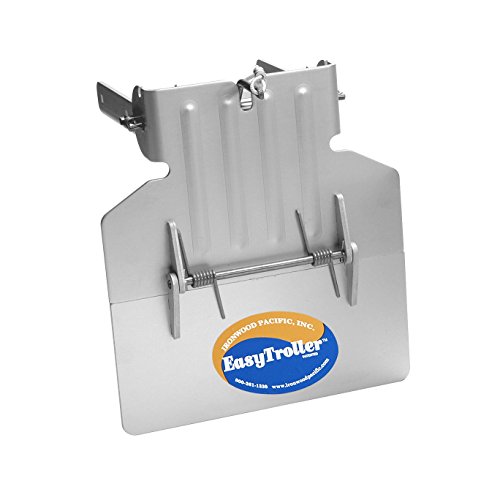
The EasyTroller Standard is designed for motors in the 50–300 HP range. It slows trolling speed to about 1 mph for ideal lure presentation. The patented hinged plate flexes upward to reduce damage if the boat accelerates unexpectedly. Installation is straightforward: mount the plate to the cavitation plate of the outboard or outdrive, a few inches behind the propeller. Best for anglers who want a robust plate with reliable performance and easy mounting behind the prop.
Best for: Anglers with mid-to-large outboards seeking a dependable, no-fuss trolling solution. Why selected: Proven hinge design helps prevent plate damage during rapid direction changes or accelerations. Limitation: May require some clearance behind the prop to avoid contact with hardware on crowded cavitation plates.
Haoguo Trolling Plate — 50–300 HP

This trolling plate targets the same horsepower range and aims to deliver a steady 1 mph trolling pace. Its unique feature is a retractable drag board that lets you retract the plate without entering the water, keeping you dry. The included dual-hook and rope system provides an innovative way to manage deployment. Best for: Anglers who value dry-tow trolling and a hands-free deployment/retreation workflow. Limitation: The advanced retract mechanism may require more setup time and careful maintenance to ensure smooth operation.
Ironwood Pacific EasyTroller Trolling Plate — Standard With Fins

This variant adds fins to the standard design, offering potential steering influence and stability in some boat configurations. It maintains the same slow-troll capability of about 1 mph and the hinged, damage-resistant design. Best for: Anglers wanting additional surface control when their hull shape benefits from extra drag surfaces. Limitation: Fins add weight and may require more precise alignment during installation.
Xiozugibi Trolling Plate — No Fins

The Xiozugibi plate emphasizes durable marine-grade aluminum and stainless steel, designed to fit 50–300 HP outboard and stern-drive motors. It slows to about 1 mph, aiding lure control, with a hinged plate that helps absorb impact during sudden acceleration. Best for: Budget-conscious buyers who need a solid, rust-resistant trolling plate. Limitation: It may lack some of the refinements found in higher-priced models and fins are not included, which can affect certain boat setups.
Ironwood Pacific EasyTroller Short — 30–45 HP
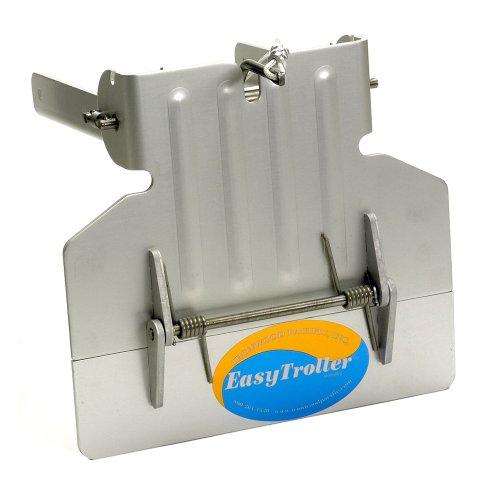
The Short version matches smaller engines from 30–45 HP while delivering the same slow-troll capability to around 1 mph. Its compact design makes installation quick on vessels with limited cavitation plate space. Best for: Small boats and anglers using modest outboards who still want controlled trolling. Limitation: Limited horsepower range means it may not be ideal for larger engines or heavy hulls.
Buying Guide
What should you consider when choosing a trolling plate?
- Horsepower compatibility: Most plates target 50–300 HP. Verify your motor’s rating before purchasing.
- Installation space: Cavitation plate clearance behind the propeller varies by boat. Ensure there’s room for the plate and any fins.
- Drag surface design: Hinged plates protect against damage; fins can improve stability but add complexity.
- Material durability: Look for marine-grade aluminum and stainless steel for corrosion resistance.
- Deployment features: Some models offer dry-retraction or quick-release mounting—consider maintenance needs and ease of use.
- Maintenance: Hinged mechanisms require periodic inspection for corrosion and lubricant wear.
Choosing the Right Plate for Your Boat
For mid-to-large outboards that frequently run at trolling speeds, the Ironwood Pacific EasyTroller Standard provides a reliable baseline. If you want the option to retract the plate without entering the water, consider the Haoguo model with its retractable design. For boats with limited cavitation plate space or for those preferring a more compact option, the EasyTroller Short variants suit smaller engines. If durability and budget are primary concerns, the Xiozugibi plate offers solid construction without fins. Finally, think about whether fins are needed for your hull; fins can aid control but may complicate installation.
Installation Essentials
- Mount to the cavitation plate, a few inches behind the propeller.
- Follow manufacturer torque and alignment guidelines to avoid steering issues.
- Inspect hinges and fasteners regularly for corrosion and wear.
Performance Expectations
Most trolling plates aim to reduce speed to about 1 mph, which helps with lure control and slow-take lines. Expect smoother handling and steadier presentations when properly installed. If you notice excessive porpoising or vibration, reevaluate plate height, mounting position, and possible interference with the propeller or lower unit.
FAQ
- What is the typical trolling speed with a plate? Most plates target around 1 mph for the best lure action.
- Do trolling plates damage engines? Properly designed plates flex to minimize damage during acceleration, reducing impact on the plate itself.
- Can I install a trolling plate myself? Yes, installation is generally straightforward on the cavitation plate, but follow the manufacturer’s instructions and torque specs.
- Are fins necessary? Fins can enhance stability for some hulls but are not required for all setups.
- Will a trolling plate work on all boats? Most plates suit 50–300 HP outboards or stern drives; verify your motor’s compatibility first.
- Is maintenance important? Regular inspection of hinges, fasteners, and corrosion resistance is recommended to maintain performance.