Seeking a reliable through-hull water pickup? This guide highlights five marine-grade options that prevent debris from reaching pumps while ensuring steady water flow. Best for boaters needing durable, corrosion-resistant intakes for saltwater use, kayak enthusiasts, and yacht owners alike. Read on to compare fit, material quality, and suitability for different vessel types.
| Product | Material | Best For |
|---|---|---|
| SHENGHUISS 316 Stainless Steel 3/4″ Boat Intake Strainer | 316 Stainless Steel | Saltwater boats needing robust thru-hull with standard 3/4″ thread |
| Joyzan 316 Stainless Steel Boat Intake Strainer | 316 Stainless Steel | Debris-prone water systems; easy cleaning and long life |
| 1-1/2 Marine Boat Intake Strainer (Pyhodi) | 316 Stainless Steel | Higher flow needs on larger vessels or higher-water intake |
| HERCHR Marine Boat Drain Thru‑Hull Fittings | Stainless Steel 316 | Versatile pickup for boats, yachts, kayaks |
| SEAFLO 3/4” Thru Hull with Check Valve | Polypropylene + Glass-Filled Nylon | Low-maintenance, built-in backflow protection |
SHENGHUISS 316 Stainless Steel 3/4″ Boat Intake Strainer

The SHENGHUISS intake strainer uses marine-grade stainless steel 316 and features standard American threaded sizing for easy installation with typical fittings and valves. Its 3/4″ thru-hull inlet with an integrated strainer helps keep grass, mussels, and debris out of the pump system. Best for boaters needing a compact, corrosion-resistant solution for saltwater environments. Caution: ensure correct outer and inner thread dimensions match your hull fitting to avoid compatibility gaps.
Joyzan 316 Stainless Steel Boat Intake Strainer

Joyzan offers a 316 stainless steel thru-hull water pickup with a focus on debris prevention and smooth water flow. This model emphasizes long-term corrosion resistance and a polished surface to minimize marine growth and simplify cleaning. Best for boats prone to intake clogging but needing an easy-to-maintain solution. Limitation: ensure the exact mechanical dimensions align with your existing hose fittings for a proper seal.
1-1/2 Marine Boat Intake Strainer (Pyhodi)

Pyhodi’s 1-1/2″ thru-hull strainer provides larger inlet capacity, suitable for bigger vessels or engines that require higher water flow. Made with clear anodized finishes and a smooth electropolished surface to reduce marine growth. Best for yacht or larger boat setups where a bigger strainer helps maintain engine cooling. Choose this if your system demands higher intake volume; avoid if your fittings are smaller than 1-1/2″ to prevent installation issues.
HERCHR Marine Boat Drain Thru‑Hull Fittings
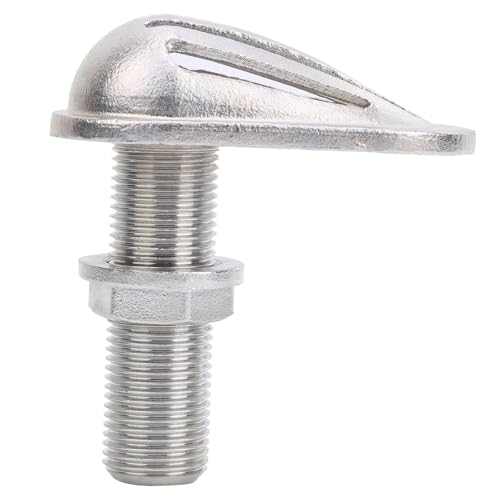
HERCHR’s stainless steel 316 thru-hull intake strainer targets reliability across boat types including yachts and kayaks. It emphasizes preventing grass, mussels, and solids from reaching the pump, aiding engine performance. Best for owners seeking a straightforward, durable intake solution with corrosion resistance. Limitation: ensure installation space accommodates standard 3/4″ fittings; otherwise, you may need adapters.
GROCO 3/4″ Bronze Combo Scoop Thru-Hull

GROCO’s bronze combo scoop through-hull provides a traditional, durable option with a bronze body and fittings. It’s suitable for users who favor classic materials and want reliable performance in various marine environments. Best for smaller to mid-sized boats that require a rugged, time-tested solution. Caution: bronze components can be heavier and may require different maintenance routines than stainless steel options.
SEAFLO 3/4” Thru Hull with Check Valve

SEAFLO’s 3/4” thru-hull includes a built-in check valve to prevent backflow, enhancing drainage and water management aboard. Made from polypropylene and glass-filled nylon, it offers high impact resistance and a modern, low-maintenance design. Best for boats needing integrated backflow protection and a durable, lightweight option. Limitation: plastic components may require extra care in extremely UV-rich or high-temperature conditions.
Buying Guide
Key considerations for choosing a through-hull water pickup:
- Material: Choose stainless steel 316 for saltwater resilience or plastic/nylon blends for lighter duty and lower weight.
- Size: Match the inlet diameter to your pump and hose fittings; common sizes include 3/4″ and 1-1/2″.
- Debris protection: A built-in strainer helps prevent clogs and protects the pump.
- Finish and maintenance: Smooth, polished surfaces reduce marine growth and simplify cleaning.
- Backflow prevention: Check valves prevent water from re-entering the boat, protecting bilges and systems.
- Compatibility: Ensure thread standards and outer/inner diameters align with existing hull fittings.
- durability: Consider environmental exposure (saltwater, UV) and the potential need for corrosion resistance.
FAQ
- What is a through-hull water pickup?
A through-hull water pickup is a fitting that draws seawater or pump water from outside the hull into the vessel’s pump or cooling system through a hull penetration.
- Why use a strainer in a through-hull pickup?
A strainer prevents debris from reaching the pump, reducing clogs and protecting engine cooling and other systems.
- What material should I choose for saltwater use?
316 stainless steel offers superior corrosion resistance in saltwater; avoid inferior alloys that may rust over time.
- Do I need a check valve?
A check valve prevents backflow, which can help maintain internal system integrity and prevent bilge flooding in certain conditions.
- What installation considerations matter?
Confirm thread size, outer diameter, and total length match your hull fittings and space constraints.
- Is a larger through-hull better for higher flow engines?
Yes, larger inlet sizes can offer higher flow, but ensure your pump and hoses can handle the increased capacity without causing cavitation.