Direct answer: Stainless steel dorade vents provide durable, corrosion‑resistant airflow solutions for cabins and engine rooms. This guide highlights five top picks that balance durability, ease of install, and marine design. Best for cruisers and small yachts, these vents offer long‑lasting performance in salt spray and sun. The following table shows the chosen products and who they’re best for.
| Product | Best For |
|---|---|
| Buchan Marine 3″ Low-Profile Dorade Cowl Vent & Deck Plate Set – 316L | Compact spaces, refits, quick install |
| Buchan Marine 4″ Low-Profile Dorade Cowl Vent & Deck Plate Set – 316L | Mid‑size boats, clean deck line |
| Buchan Marine Round Dorade Cowl Vent with Deck Plate Ring (3″ 304) | Classic look, versatile mounting |
| Buchan Marine 3″ Oval Dorade Cowl Vent & Deck Plate Set – 316L | Yachts and skiffs needing oval aperture |
| Vinland Marine Round Cowl Vent w/ Deck Plate (304) | Budget-friendly stainless option |
Buying considerations below help you compare materials, sizing, and installation needs. Each product section includes who it’s best for, why it’s chosen, and a practical caveat to help avoid common pitfalls during selection.
Buchan Marine 3″ Low-Profile Dorade Cowl Vent & Deck Plate Set
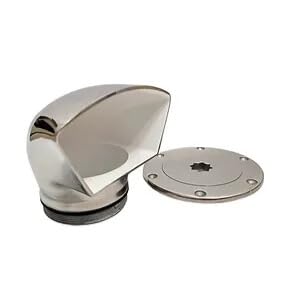
The 3″ low-profile vent uses a 316L marine‑grade stainless base and cap, designed to reduce snags on foredecks while moving fresh air below decks. Best for compact installations or refits where deck clearance is limited. The white interior powder coating adds visibility and protection. Ideal for smaller sailboats or inland cruisers needing reliable ventilation without protruding hardware. A potential limitation is the smaller opening, which may be less effective in very hot, humid climates if not paired with other ventilation strategies.
Buchan Marine 4″ Low-Profile Dorade Cowl Vent & Deck Plate Set

This 4″ low‑profile vent is designed to stay under the deck line while providing efficient airflow. It uses cast 316L stainless steel for durability and features a white interior. Best for mid‑sized boats (35–45 ft) where a cleaner deck profile is desired and a larger intake is beneficial. Choose this if you want better air exchange without a tall vent mast. A caveat is that it requires a 7-1/2″ × 3-5/8″ deck plate opening, so verify deck cutouts before purchase.
Buchan Marine Round Dorade Cowl Vent with Deck Plate Ring
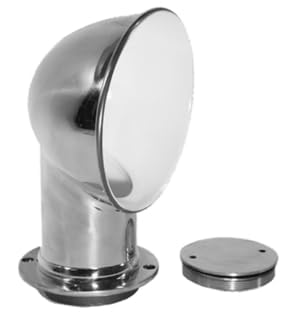
Briny‑proof 304 stainless steel construction makes this vent a budget‑friendly option with solid corrosion resistance. It features a 3-3/8″ deck plate cut‑out and a 9-1/2″ tall vent with a 6-1/2″ mouth opening, keeping airflow efficient while maintaining a classic round look. Best for budget‑conscious buyers or projects on smaller vessels seeking a reliable, traditional round vent. Limitation: 304 stainless is good but not as corrosion‑resistant as 316L in heavy salt exposure; consider coastal or offshore use with additional care.
Buchan Marine 3″ Round Dorade Cowl Vent with Deck Plate

This classic round design emphasizes an elevated stance above the deck to reduce water ingress while improving air intake. The 3″ vent paired with a deck plate enables a balanced intake/exhaust arrangement on many boats, particularly in 20–32 ft hulls. Constructed from premium 316L stainless steel for superior corrosion resistance. Best for traditional vessel aesthetics and paired vent configurations. Caution: ensure the deck plate cutout matches the specified dimensions to avoid a loose or tight fit.
Buchan Marine 3″ Low Profile Dorade Cowl Vent – Red Interior

This variant uses premium 316L stainless steel with a red interior powder coat for enhanced durability and interior visibility. The low-profile design keeps the deck clean while delivering strong airflow. Best for owners who want a premium finish in a single unit and a visually distinct interior. Limitation: the red interior requires maintenance to keep the color vibrant; soap and light polish recommended.
Vinland Marine Round Cowl Vent With Deck Plate

Made from 304 stainless steel, this vent emphasizes a polished finish with a white or red epoxy interior. It delivers practical airflow into cabins with a straightforward install. Best for budget‑minded buyers who still want a marine‑grade option and a clean aesthetic. Consider that 304 stainless steel offers good corrosion resistance but may require more attention in extreme marine environments compared to 316L models.
Buying Guide
What material matters most?
316L stainless steel provides superior corrosion resistance in saltwater environments, making it ideal for long‑term durability on sea‑going vessels. 304 stainless is adequate for many coastal boats, but cast 316L is preferred for refits or boats exposed to heavy spray.
What size should you choose?
Vent sizing should match deck plate cutouts. A 3″ vent is common for smaller boats or retrofits, while 4″ vents are better for mid‑sized hulls to improve air exchange. Measure deck plans and confirm opening dimensions before ordering.
Is a low‑profile vent worth it?
Low‑profile designs reduce line snagging and maintain a sleek deck line. They are especially helpful on coachhouses, foredecks, and crowded rigging areas where protruding hardware could snag lines.
Classic round vs. oval shapes
Round vents offer traditional looks and straightforward ventilation paths. Oval vents provide a larger throat in a smaller vertical footprint, which can improve airflow in constrained spaces while preserving deck aesthetics.
What about interior finishes?
Interior coatings (white or red) can protect against corrosion and help visibility when accessing vents below decks. Interior coatings may require occasional cleaning to prevent staining and maintain appearance over time.
Installation considerations
Verify deck plate cutouts, mounting flange compatibility, and gasket integrity. Some kits include deck plates, rings, and covers; others require separate purchases. Accurate measurement reduces the risk of leakage and wind noise.
Durability and maintenance basics
Regular cleaning with soap and water, followed by light polishing, helps maintain the mirror finish on stainless steel vents. Check for pitting or corrosion in salt spray zones and address promptly to extend life.
FAQ
- Which vent material lasts longest in saltwater? 316L stainless steel generally resists corrosion better than 304 in harsh marine environments.
- Do I need a deck plate with the vent? Yes. Deck plates provide a secure mounting surface and help seal the vent against water intrusion.
- Is a larger vent always better? Not always. A larger vent improves airflow but requires compatible deck space and plate cutouts; choose based on hull size and ventilation needs.
- Can I install these vents myself? Most 3″–4″ vents are designed for DIY installation, provided you have the correct deck plate cutouts and basic sealing materials.
- Will a red interior interior coating affect airflow? Interior coatings do not impede airflow; they primarily protect the interior surface and improve visibility when inspecting the vent from below decks.
- Are oval vents better for small boats? Oval vents can offer a larger opening within a compact footprint, which can improve airflow in tight installations.