Answering the need for reliable aluminum boat sealing, these spray-based sealants and coatings protect against water, air, and corrosion while offering easy application. This guide highlights five products well-suited for aluminum hulls and hardware, with clear reasons for each choice. A quick buyer summary helps you compare suitability at a glance.
| Product | Best For | Why It Stands Out |
|---|---|---|
| Gorilla Waterproofing Spray Clear | General leaks, roofs and gutters on boats | Flexible rubberized coating; easy, even spray; UV and temperature resistant |
| 303 Marine Spray & Rinse Ceramic Sealant | Long-lasting hydro protection on gel coat and aluminum | SiO2 ceramic shield; up to six months of hydrophobic protection |
| TotalBoat Aluminum Boat Leak Sealer | Rivets, seams and small holes | Two-part epoxy sealer with long working time for strong seals |
| Woody Wax Marine Metal Sealer | Metal hardware and brightwork | Two-part barrier tech; up to six months protection; multi-metal compatibility |
| Glidecoat Marine Shine & Shield | Ceramic spray sealant with UV protection | Hydrophobic, durable, long-lasting gloss |
Gorilla Waterproofing Spray Clear
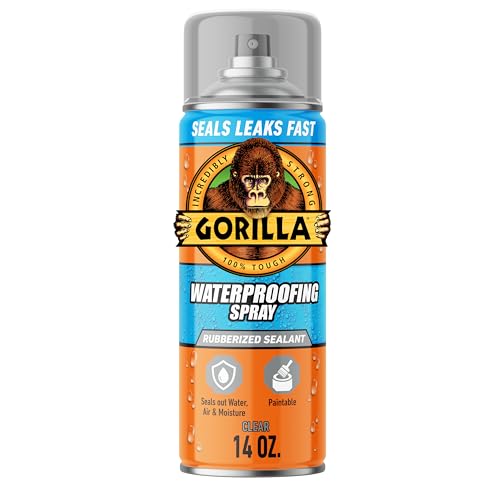
Best for: quick, flexible sealing on aluminum surfaces and common boat components. This spray-on, rubberized coating provides a watertight seal against water, air, and moisture. It levels smoothly and adheres to uneven gaps, making it suitable for small leaks and joint areas. It dries clear and resists UV exposure. Caution: avoidance of prolonged film buildup on high-heat surfaces, and ensure proper ventilation during application.
303 Marine Spray & Rinse Ceramic Sealant

Best for: aluminum boats requiring durable, long-lasting hydrophobic protection. The SiO2-based formula creates an instant protective shield on contact with water, delivering up to six months of water and dirt repellency. It’s applied as a spray on a wet surface, then rinsed and dried. Caution: not a substitute for mechanical repairs; check surface preparation requirements for best bonding.
TotalBoat Aluminum Boat Leak Sealer

Best for: sealing rivets, seams, and holes on aluminum boats with a reliable epoxy-based approach. It features a long working time, allowing better penetration before curing. It’s suitable for prepared surfaces down to 40°F and can be used to patch small defects effectively. Caution: two-part epoxy requires mixing and proper handling; follow curing guidelines for full strength.
Woody Wax Marine Metal Sealer

Best for: anodized aluminum, stainless steel, and chrome hardware requiring a showroom-like finish with durable protection. The two-part system layers a hard wax shell over a metal-adhering base to create a lasting barrier. It provides up to six months of weather shielding. Caution: may require surface prep to maximize adhesion on highly aged metals.
Glidecoat Marine Shine & Shield

Best for: a ceramic spray sealant that provides hydrophobic protection and UV resistance. It aims to replace traditional waxes with a long-lasting gloss. It’s ideal for boat exteriors and areas requiring a strong water-beading surface. Caution: does not replace needed structural repairs; reapply as the coating wears over time for continued protection.
Buying Guide: Key Considerations
- Surface compatibility: Aluminum hulls respond well to sealants that prevent oxidation and water intrusion without dulling metal. Look for products labeled for aluminum or unpainted aluminum surfaces.
- Protection type: Choose between flexible rubberized coatings, epoxy sealers, or ceramic-based sealants based on leaks, UV exposure, and maintenance goals.
- Application method: Sprays require even misting and attention to curing conditions. Two-part epoxies demand mixing and precise handling but often deliver stronger seals.
- Durability and longevity: Ceramic and wax-based sealants typically offer longer protection periods; rubberized sprays are easier for quick fixes but may require reapplication after exposure to sun or abrasion.
- Curing and cleanup: Some products cure quickly and allow top-coating sooner, while others need longer curing times. Plan around maintenance windows and ventilation needs.
- Limitations: Check for heat sensitivity, reactivity with other coatings, and compatibility with painted vs. unpainted aluminum surfaces.
FAQ
- Q: Can I use any spray sealant on aluminum boats? A: Use products specifically labeled for aluminum or marine use to ensure proper adhesion and corrosion resistance.
- Q: How long does a ceramic sealant typically last on aluminum? A: Many ceramic sealants provide protection for up to six months under typical marine conditions.
- Q: Do I need to remove old coatings before applying a new sealant? A: Surface preparation improves adhesion; follow product guidelines for cleaning or light sanding if required.
- Q: Are epoxy sealers safe for underwater use? A: Some are designed for underwater repairs, but always follow the manufacturer’s curing and safety instructions for any underwater exposure.
- Q: Can I apply these sealants in cold weather? A: Some products specify a minimum operating temperature; check the product’s temperature guidance before application.
- Q: Do these products require masking or protective gear? A: For spray coatings, use masks and ensure proper ventilation; wear gloves and eye protection as recommended by the manufacturer.