If you’re looking for a compact, reliable power source for a kayak trolling motor, these 12V battery options offer a mix of LiFePO4 and sealed lead-acid (SLA/AGM) configurations. They’re chosen for weight, durability, runtime, and compatibility with small watercraft. The best choice depends on how you plan to fish, the hours you’ll be out, and whether you prioritize weight or capacity. This guide highlights five batteries well-suited to kayak use, with clear reasoning to help you decide.
Summary of selected batteries at a glance. The table below compares type, approximate capacity, best use case, and note on suitability for kayak trolling motors. This helps you quickly see which option fits your fishing style and travel needs.
Notes
| Product | Type / Capacity | Best For | |
|---|---|---|---|
| Lampword Lithium 12V 15Ah | LiFePO4 12V, 15Ah | Compact kayaks, light use, quick recharge | Long cycle life, safe chemistry |
| Mighty Max Battery ML35-12 | SLA 12V 35Ah | Budget-friendly, reliable power | Maintenance-free; heavier than LiFePO4 |
| Renogy 12V 20Ah LiFePO4 | LiFePO4 12V, 20Ah | Long runtimes, lighter than lead-acid | Built-in BMS protection |
| Newport Vessels 12V50Ah Deep Cycle AGM | AGM 12V, 50Ah | High capacity, heavier setups | Durable for saltwater use |
| DC HOUSE 12V 12Ah LiFePO4 | LiFePO4 12V, 12Ah | Extremely compact setups, emergency kit | Careful with charger type |
Lampword 12V 15Ah LiFePO4 Battery

Best for: light kayak setups and short trips where weight matters. This LiFePO4 option offers a higher energy density than lead-acid and a much lighter footprint, with a long cycle life. It’s suitable for trolling motors in small kayaks when a compact, easily portable power source is preferred. The battery supports parallel or series connections for higher voltage or capacity when needed.
Why selected: LiFePO4 chemistry provides better safety, longer life (up to 4000 cycles at 60% DOD), and faster charging. It’s also forgiving in cold and hot conditions, essential for varied waterways. A caution: for high-power applications, you may need multiple units in parallel to reach the desired runtime.
Mighty Max Battery ML35-12 12V 35Ah
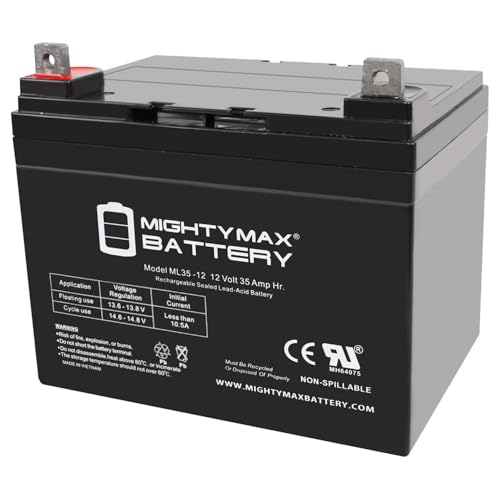
Best for: budget-conscious kayak anglers needing solid, reliable power with a longer runtime than smaller packs. This SLA/AGM battery is maintenance-free and UL certified, making it a straightforward choice for many paddlers who want a proven option without LiFePO4 price tags.
Why selected: SLA chemistry provides dependable performance, wide operating temperatures, and deep-discharge recoveries. A limitation: heavier than LiFePO4, which can impact portability and boat balance on smaller kayaks.
Renogy 12V 20Ah LiFePO4
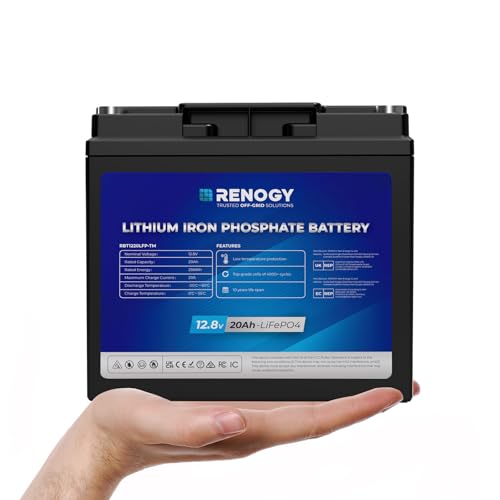
Best for: kayak anglers who want a balance of weight and runtime with modern battery management. This LiFePO4 pack is lighter than lead-acid options and includes BMS protection for safety in variable conditions, making it a solid all-around choice for trolling motors on compact boats.
Why selected: longer runtime and lower self-discharge than lead-acid. A caution: ensure correct charging equipment; use lithium-compatible chargers to preserve long life and BMS protection.
Newport Vessels 12V50Ah AGM Deep Cycle

Best for: kayaks requiring substantial runtime for longer trips or higher-draw trolling motors. The 50Ah capacity provides extended days on the water and robust overall performance with a sealed, leak-proof design.
Why selected: high capacity makes it a strong choice for longer outings. A caution: AGM batteries are heavier and can demand more secure mounting; verify fits in your kayak battery tray or compartment.
DC HOUSE 12V 12Ah LiFePO4

Best for: ultra-compact kayak setups, emergency backup power, or small trolling motors where space is at a premium. The 12Ah capacity is modest, but LiFePO4 keeps weight down and charging fast, ideal for short paddling sessions or as a supplemental battery.
Why selected: 12Ah LiFePO4 offers reliable safety and a long lifespan in a very small package. A caution: this is not ideal for high-draw trolling motor setups or long expeditions without recharging or additional packs.
Buying Guide: How to Choose a Small Trolling Motor Battery for Kayaks
- Battery chemistry matters. LiFePO4 batteries are lighter, safer, and longer-lasting than lead-acid options, but cost more upfront. For long kayak trips, LiFePO4 can offer a better power-to-weight ratio.
- Capacity vs. weight. Higher Ah means longer runtime, but also more weight. For small kayaks, balance capacity with weight and the physical effort required to carry the battery.
- Charger compatibility. Use lithium-compatible chargers for LiFePO4 packs. Lead-acid chargers can damage LiFePO4 cells and shorten lifespan.
- Mounting and space. Check dimensions and mounting options. Some batteries are compact but taller, which can affect fit in limited compartments.
- Protection features. Built-in BMS (battery management system) helps protect against overcharge, overdischarge, and temperature issues. This is particularly important in variable outdoor conditions.
- Runtime expectations. If you plan long days on the water, consider a second pack or a higher-capacity option to avoid mid-trip recharges.
- Maintainability and safety. AGM and LiFePO4 offer different handling and maintenance profiles. AGM is maintenance-free but heavier; LiFePO4 is lighter and longer-lasting with proper charging.
Frequently Asked Questions
- What’s the lightest practical kayak battery? LiFePO4 packs in the 12V range, such as 12V 15Ah options, typically weigh less than comparable lead-acid batteries while delivering similar or better runtime.
- Do I need a special charger for LiFePO4? Yes. Use a charger designed for lithium batteries to avoid damage and maximize battery life.
- How many amps does my trolling motor require? Check your trolling motor’s current draw at full throttle and choose a battery with enough Ah capacity to cover your planned runtime, plus a safety margin.
- Is a higher Ah rating always better for kayaks? Higher Ah increases runtime but adds weight. For small kayaks, a balance between capacity and weight is key.
- Can I connect multiple batteries in parallel? Yes, parallel connections increase capacity at the same voltage and can extend runtime, provided the batteries are the same type and chemistry.
- Are AGM batteries good for saltwater kayaks? AGM batteries are durable and sealed, making them suitable for saltwater use if mounted properly and maintained, though they’re heavier than LiFePO4 options.