Answer: A shallow water anchor system helps keep your boat steady in shallow zones, using simple deployment methods and durable materials. It’s ideal for anglers, beachgoers, and casual boaters who fish or dock in bays, rivers, or near sandbars. The top choices below cover manual and electric deployments, varied depths, and different mounting needs. Read on to compare performance drivers and pick the best fit for your boat and water conditions.
Summary of selected products:
| Product | Best For | Deployment Type | Key Benefit |
|---|---|---|---|
| Lewmar Vector Manual Shallow Water Anchor (Black) | Casual boaters and DIY installers | Manual pull-rope | Low maintenance, easy pull-rope operation |
| Minn Kota Talon Shallow Water Anchor (10 ft) | Serious anglers and larger boats | Electric with remote/phone app | Built-in work light, wireless remote |
| Lewmar Axis Shallow Water Anchor (12V, Remote) | Powerboat owners seeking automation | Electric, remote | No hoses or pumps, robust build |
| SuperStick Shallow Water Anchor Pin (3/4″, 8′) | Portability-focused users | Manual pin | Stainless steel spike for durability |
| Sailpref 8.63′ Shallow Water Anchor Pole | Beaches, sandbars, kayaks | Pole-based anchor | Extended reach and corrosion resistance |
Lewmar Vector Manual Shallow Water Anchor — Black

Reference features: NO HOSES, PUMPS OR WIRES; Pull-rope deployment; elastic securing strap for deployment; tensioning/retrieval strap to lock in place; easy installation with aftermarket mounts and universal hole patterns. Best for boaters who want simple, maintenance-free operation without electrical wiring.
Best for: Small to mid-size powerboats or daysailers with straightforward mounting needs. This Lewmar Vector variant suits buyers seeking reliable manual deployment and minimal setup complexity. Caution: Manual operation relies on rope control; ensure proper space for rope travel and retrieval access.
Minn Kota Talon Shallow Water Anchor — 10 Ft

Reference features: Built-in work light with blue/white modes and three brightness options; five-year limited and lifetime spike; wireless remote or optional foot switch or smartphone app; compatible with select Hummingbird units. Best for: Anglers and skippers who want advanced control, integrated lighting, and remote operation for precise positioning. Caution: Electric deployment requires battery maintenance and secure RF/wire connections.
Lewmar Axis Shallow Water Anchor — 12V Electric

Reference features: NO HOSES OR PUMPS due to electric linear actuator design; high-quality powder-coated aluminum finish; complete kit includes mount hardware, RF module/control box, auto-resetting fuse, waterproof fuse holder, and remote. Best for: Powerboats needing a clean, electric deployment with a simplified install and reliable control. Caution: Electric systems add wiring considerations and require charging, weatherproofing, and fuse maintenance.
SuperStick Shallow Water Anchor Pin — 3/4″ x 8′
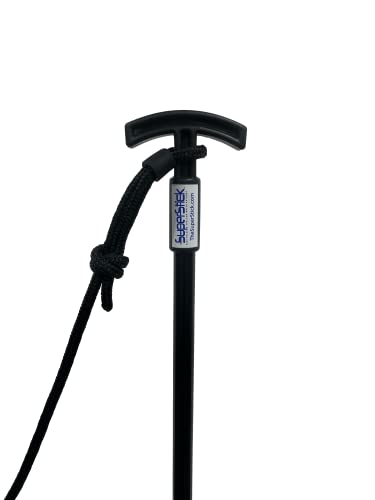
Reference features: Stainless steel spike tip; durability and wear resistance for easier anchoring. Best for: Users who prioritize a strong, long-lasting spike in a compact, portable form. Caution: This is a pin-style anchor; depth and bottom conditions affect holding performance compared to longer or powered systems.
Sailpref 8.63′ Shallow Water Anchor Pole

Reference features: Total length 8.63′; fiberglass reinforced polyamide 66; 316 stainless steel tip and joints; two-piece design with a T-handle for quick installation; includes gloves. Best for: Beached boats, kayaks, and boats near sandbars or beaches where portability and corrosion resistance matter. Caution: Pole-based anchors require solid bottom contact and proper handling depth to stay secure.
Buying Guide
Shallow water anchors come in manual, electric, and pole-based configurations. Consider your boat size, typical water depth, bottom type, mounting options, and maintenance needs when choosing.
What deployment style matches my typical fishing or boating scenario?
Manual anchors are simple, low-maintenance, and best for occasional use or smaller craft. Electric anchors provide hands-free control and precision for larger boats or frequent anchoring, but require power and installation attention. Pole-based anchors are portable and great for sandy or shallow bottoms with less structural modification.
How important is mounting and hardware compatibility?
Check whether the anchor system includes mounting hardware and if it fits your boat’s transom or bow configuration. Universal hole patterns and aftermarket mounts reduce installation complexity. If you own a boat with limited access to wiring, a manual model may be advantageous.
What bottom conditions and depth are typical for me?
Sand and mud respond differently to each anchor type. Spikes and reinforced tips perform better on hard or compact bottoms, while longer poles reach deeper water in sandy bottoms. Consider your common depth range and how much of the pole must remain above water for handling.
What are the maintenance and reliability considerations?
Manual systems rely on ropes or straps and are generally low-maintenance. Electric systems need battery management, corrosion protection, and occasional fuse checks. Look for corrosion-resistant finishes and components designed for marine environments.
Installation and future upgrades
choose models with easy installation and compatibility with existing mounts if you plan to upgrade later. If you anticipate frequent relocation or transport, portable options may be preferable.
Frequently Asked Questions
- What is a shallow water anchor system? A device designed to keep a boat in place in shallow water, using a pole, spike, or anchor mechanism deployed at shallow depths.
- What deployment type is easiest for beginners? Manual pull-rope or simple pin-based anchors are typically the easiest and require no wiring.
- Can I install an electric shallow water anchor myself? Yes, if you have basic electrical and mounting skills; ensure power supply access and weatherproofing.
- What bottom conditions affect performance? Sand, mud, rocks, and vegetation influence grip; spikes and robust tips perform better on harder bottoms.
- Are these anchors suitable for kayaks or small craft? Yes, but choose lighter, portable options with compact mounting and lower weight.
- Do I need a dedicated mounting system? Some anchors include mounts; others require aftermarket mounts or universal patterns for compatibility.