When choosing a sea strainer for a boat, look for durable construction, easy maintenance, and compatibility with your hose sizes. This guide highlights five dependable options that cover common boat plumbing needs—from bronze and stainless options to versatile, multi-size models. Best for skippers seeking rugged, low-maintenance strainers that resist corrosion and debris. The buyers’ table helps compare key points at a glance.
| Product | Brand | Best For |
|---|---|---|
| SEAFLO Raw Sea Water Filter/Intake Strainer | SEAFLO | Owners needing versatile size compatibility |
| GROCO ARG-750 Series 3/4″ Raw Water Strainer | Groco | Compact, reliable filtration |
| Groco Intake Strainer with Filter Basket 3/4″ ARG-755S | Groco | Easy maintenance and robust basket |
| GROCO ARG-1000 Series 1″ Raw Water Strainer | Groco | 1″ hose systems needing high flow |
| Perko 0493005PLB Bronze Intake Water Strainer | Perko | Bronze construction for saltwater reliability |
SEAFLO Raw Sea Water Filter/Intake Strainer

Product note: SEAFLO’s strainer is designed to fit multiple hose sizes, including 1″, 1-1/4″, and 1-1/2″ diameters. It serves as a raw water intake filter to protect pumps and engines by removing debris and marine growth before they enter the system. It emphasizes corrosion resistance and robust filtration for saltwater environments. Best for boat owners who need flexible installation options and durable construction in harsh sea conditions.
Who it’s best for: Sailors or anglers upgrading older systems or installing new raw-water intakes, especially where multiple hose sizes might be used. Limitation: precise mesh specifications are not listed here, so verify compatibility with your debris levels and flow requirements.
GROCO ARG-750 Series 3/4″ Raw Water Strainer
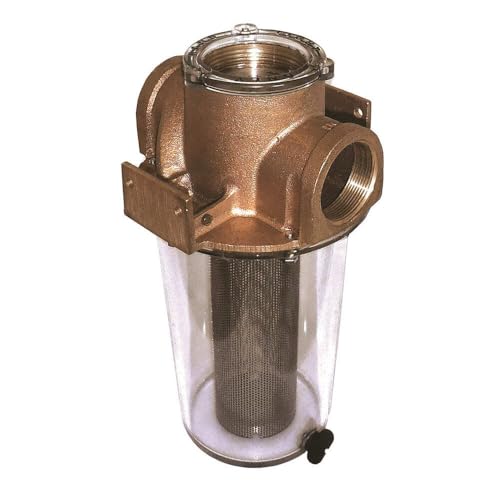
Features: 3/4″ raw water strainer with a stainless steel basket. The compact design supports simple mounting and reliable filtration for smaller intake lines. Best for boats with 3/4″ piping seeking a balance between flow and debris protection. Caution: verify basket size and flow expectations for high-volume applications.
Groco Intake Strainer with Filter Basket 3/4″ ARG-755S

Features: #304 stainless steel basket with 2 mm holes; O-rings on all mating surfaces; screw-on cap for easy maintenance. Best for boaters who want straightforward disassembly for cleaning and dependable performance in saltwater. Limitation: 2 mm holes may require attention to very fine debris to avoid blockages.
Sherwood Seawater Strainers and Brackets 1″ 20 Mesh Stainless Strainer

Features: 1″ size with 20 mesh stainless strainer surface. Best for boats needing a compact, corrosion-resistant strainer that captures larger solids efficiently. Caution: Mesh size limits very fine debris filtration; pair with pre-filter strategies if needed.
Perko Bronze Intake Water Strainer

Features: 3/4″ pipe size; bronze construction; open area to pipe size ratio 25:1. Best for traditional saltwater setups that require bronze’s proven longevity. Caution: bronze is heavier and may require secure mounting on smaller vessels or tight engine rooms.
Buying Guide
Key considerations when selecting a sea strainer include hose size compatibility, material resilience, maintenance accessibility, and the trade-off between mesh size and debris capture. The following questions help clarify choices for typical boat setups.
- What hose sizes does my system require, and which strainers support those diameters?
- Is bronze or stainless steel preferable for my saltwater environment and mounting constraints?
- How easy is it to disassemble and clean the strainer’s basket or cap?
- Do I need a larger open area ratio to maintain high flow in a primary intake line?
- Will the mesh size effectively block the debris commonly encountered in my cruising waters?
What else should I consider?
- Corrosion resistance: Saltwater systems demand materials that resist pitting and rust, especially in exposed installation locations.
- Maintenance access: Strainers with quick-access caps save time during routine checkups.
- Bonding and seals: O-rings and gaskets should be compatible with your boat’s chemical cleaners and pump media.
- Mounting and space: Ensure there is enough clearance for removal, cleaning, and potential basket replacement.
FAQ
- What is the main purpose of a sea strainer on a boat?
Answer: To filter debris from raw seawater before it enters pumps, engines, or other critical equipment, reducing the risk of clogs and damage. - Which material lasts longest in saltwater?
Answer: Bronze and stainless steel both offer excellent corrosion resistance; choice depends on mounting, weight, and compatibility with other components. - Can a strainer affect pump performance?
Answer: Yes, an overly restrictive strainer can limit flow; select a basket size and mesh appropriate for your pump’s flow rating. - Is larger mesh always better?
Answer: Not necessarily; finer meshes capture smaller debris but may clog faster, requiring more frequent cleaning. - How often should strainers be cleaned?
Answer: Cleaning frequency depends on water conditions and usage; inspect during normal maintenance and after exposure to debris-rich environments. - Do these strainers fit all boat sizes?
Answer: The listed models cover common 3/4″ and 1″ hose sizes; verify your system’s exact thread, inlet size, and mounting space before purchasing.