Find the right wind speed and direction instruments for your sailboat with clear, objective guidance. This guide highlights five practical options, outlining who they’re best for, what they measure, and key limitations. Ideal buyers include coastal cruisers, weekend racers, and high-performance sailors seeking dependable wind data for navigation, sail trim, and tactical decisions.
| Product | Best For | Why It Stands Out |
|---|---|---|
| Windex 15 MK2 Birdspike Included | All-around sailors on mid-sized boats (15–40 ft) | Complete package with bird spike to reduce mast obstructions; proven wind vane accuracy. |
| Windex XL Wind Direction Indicator | Big boats and racers (40–100 ft) | Bright visibility and reliable direction data for high-speed sailing and cruising. |
| Garmin GNX Wind | Modern helm stations needing integrated wind data | Monochrome LCD, dual data fields, digital wind rose, and compatibility with steering and speed. |
| Five Oceans FO2080 Wind Direction Indicator | Part-time or small crew boats | Readable vane with night visibility and straightforward installation. |
| Part Synergy Sailboat Instrument Kit – Wind Speed with gWind Transducer | Mounting-friendly setups needing wind speed data | Surface-mount option with a three-bladed propeller style sensor and efficient design. |
Windex 15 MK2 Birdspike Included
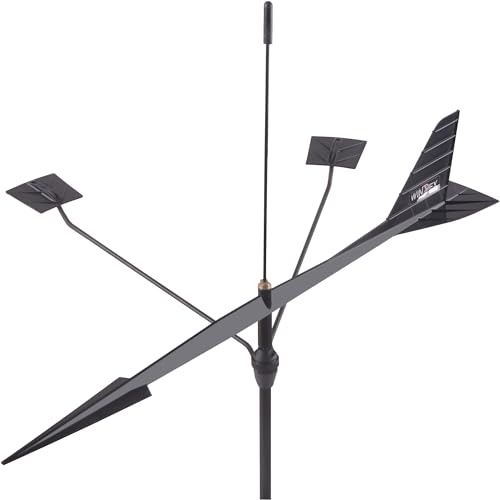
The Windex 15 MK2 provides a complete wind direction indicator package designed for boats sized 15–40 feet. Key components include a sailboat wind vane unit, supporting rod, index arms, mast socket, and a bird spike. The extended bird spike helps keep birds away from the mast, reducing fouling risk and maintenance interruptions. This option emphasizes accuracy and reliability, making it suitable for both cruising and racing contexts. Best for sailors who want a turnkey wind vane with practical bird deterrence and a proven performance track record. Caution: installation may require basic rigging adjustments to ensure optimal mast alignment and exposure.
Windex XL Wind Direction Indicator

The Windex XL is designed for larger boats, offering a complete package with a focus on visibility and accurate wind direction data. Its reflector tape and tacking tabs enhance visibility in various lighting conditions, helping cruisers and racers quickly read true and apparent wind directions. This model is best for sailors who prefer a robust, high-visibility vane on bigger vessels. Limitation: larger vane assemblies may require stronger mounting hardware and careful mast mounting for optimal performance.
Garmin GNX Wind
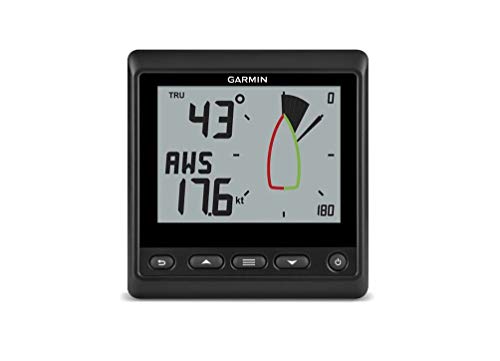
The Garmin GNX Wind is a dedicated wind instrument option that provides a modern helm-ready display experience. It emphasizes easy visibility with a glass-bonded backlit monochrome LCD display lens to prevent fogging, and large digits for quick readability. It offers two data fields and a digital wind rose to display true and apparent wind data, which helps skippers and crew make timely sail-trimming decisions. Best for sailors integrating wind data into a digital cockpit and seeking clear, on-deck visibility. Caution: ensure compatible mounting and wiring in your helm setup.
Sailboat Instrument Kit – Wind Speed with gWind Transducer

This Part Synergy kit provides a surface-mount wind speed package with a three-bladed propeller-style transducer. The configuration emphasizes mounting flexibility and reliable wind-speed data, which is particularly useful for boats where straightforward installation is a priority. Best for vessels needing a compact, mount-friendly solution for wind speed. Limitation: some users may want more wind direction data than a single-speed unit can provide, depending on their navigation setup.
Buying Guide
Key considerations when selecting sailboat wind instruments include mounting compatibility, visibility, wind data types, and installation effort. The following questions help clarify choices:
- Do you primarily need wind direction, wind speed, or both?
- What is your boat size and typical sailing environment (calm coastal waters vs. open sea)?
- Is easier visibility at a distance important for your helm station?
- Do you prefer a standalone vane system or an integrated digital display at the helm?
- What mounting options are available on your mast or rails, and can you accommodate larger vanes?
Data Clarity and Readability
Wind instruments with reflective or backlit displays, such as the Windex XL and Garmin GNX Wind, provide quick data recognition in daylight or night conditions. A clear wind rose or digital readout helps shorten decision times during maneuvers and sail trim.
Installation and Maintenance
Vane-based indicators may require mast mounting, a stable supporting rod, and secure sockets. Bird deterrents like the Windex MK2 spike can reduce maintenance by preventing bird fouling. Consider the total weight and wind exposure of the device when selecting a mount.
Data Features and Integration
Dual data fields and digital wind roses, as found on the Garmin GNX Wind, help compare true and apparent wind quickly. If your helm setup includes digital displays, ensure compatibility with your existing electronics and mounting space.
Durability and Visibility
For open-water or high-wind environments, model robustness and visibility become critical. Look for weather-resistant housings and materials rated for marine use, plus high-contrast markings for day or night operations.
FAQ
- What is the difference between true wind and apparent wind data? True wind is the actual wind in space, while apparent wind is what you feel on the moving boat; most displays show both, helping with sail trim decisions.
- Are vane-based indicators sufficient for racing? Yes, many racing sailors rely on vane data for wind direction, but some also pair with digital wind speed sensors for a complete picture.
- Can wind instruments be added to older boats? Yes, several kits offer surface-mount options and mast-mounted vanes that suit a range of vessels.
- What maintenance is required? Regular inspection for vane alignment, mounting security, and occasionally cleaning for visibility is recommended.
- Do wind instruments require power? Some units are self-contained; others may require a power source or interface with boat electronics; check each product’s installation data.
- How do I choose between wind speed and wind direction options? If you sail in varying wind conditions, a combined solution providing both data types offers the best versatility.