Finding the right safety flares for boats is essential for compliant, reliable maritime signaling. This guide highlights five top choices suited to different boating needs, from electronic distress signals to traditional flares. Ideal buyers include casual weekend boaters, coastal cruisers, and small commercial operators seeking USCG-compliant, easy-to-use solutions. Below, you’ll find a concise comparison table and practical buying tips to help you choose confidently.
| Product | Best For | Key Benefit | Notes |
|---|---|---|---|
| Sirius Signal C-1003 SOS LED Distress Signal | Families, casual sailors | Coast Guard approved, long-lasting | Bright up to 10 nm, includes day flag & whistle |
| TEKTITE SOSeFLARE 5 | Active boaters, night operations | Electronic, waterproof, floats upright | 30+ hours runtime, Morse SOS |
| ACR ResQFlare Electronic Distress | All-weather safety kits | 360° visibility, waterproof | Also includes distress flag |
| Orion Safety 584 ALERTER | Rugged use, multiple signals | 4 red aerial flares, corrosion-resistant launcher | 2 modes, handles heavy conditions |
| Coastal Alert Launcher Kit | Ready-to-use kit kits | Includes six 12-gauge flares + whistle | USCG approved for day and night |
Sirius Signal C-1003 SOS LED Distress Signal
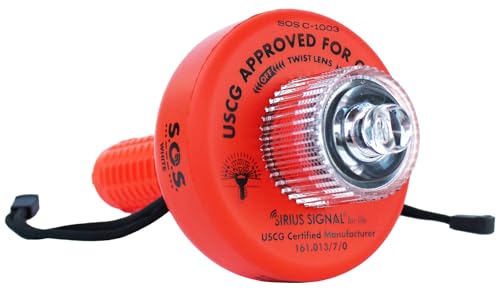
The Sirius Signal C-1003 is a Coast Guard approved electronic distress kit designed to replace traditional pyrotechnic flares. It delivers a high-visibility SOS signal for up to 60 hours and requires no ignition, making it easy for a broad range of boaters to operate. Best for families and casual sailors who want a non-pyrotechnic, ready-to-use solution that ships with a daytime flag and whistle for daytime signaling.
- USCG approved for night, day, and audible distress signaling
- Batteries included; long-lasting operation
- Visible up to 10 nautical miles
Best use: a straightforward, safe replacement for pyrotechnic flares on small to mid-sized recreational boats. Caution: may require periodic battery replacement per usage and storage guidelines.
TEKTITE SOSeFLARE 5
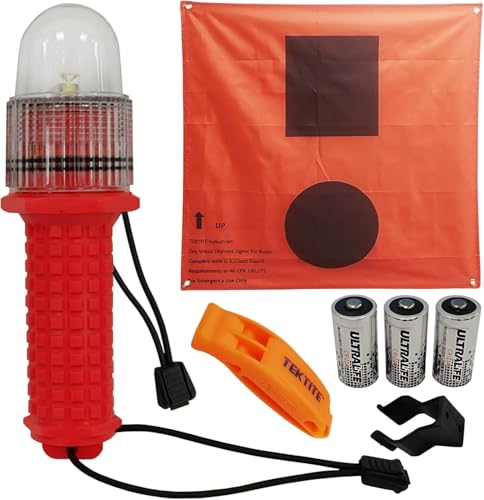
TEKTITE SOSeFLARE 5 is a USCG and SOLAS compliant electronic distress signal kit, designed as a legal replacement for traditional flares. It features a Morse code SOS signal, an audible whistle, and a distress flag for day and night visibility. It runs on CR123 lithium batteries and offers up to 30+ hours of operation with a user-replaceable design.
- Waterproof and floats upright; submersible up to 500 ft
- Automatic buoyancy with rugged construction
- Includes distress flag for daytime signaling
Best use: for boats that require a durable, all-weather electronic distress signal with extended battery life. Choose this if you want a high-visibility, legally compliant alternative to conventional flares. Caution: battery life can vary with temperature and usage; replace batteries as recommended.
ACR ResQFlare Electronic Distress E-Flare
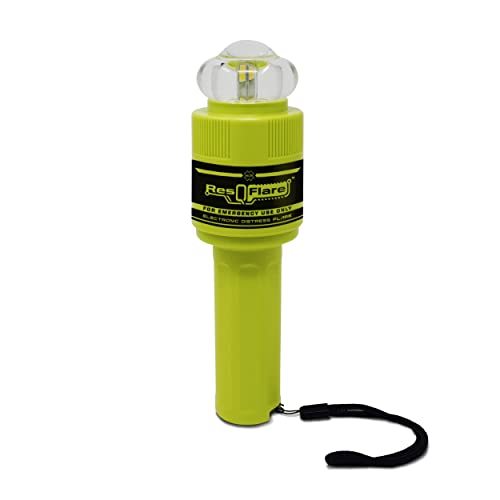
The ACR ResQFlare includes an electronic distress signal and a daytime distress flag. It is designed to function as a replacement for USCG pyrotechnic flares and provides 360-degree visibility with IP67 waterproofing. The unit auto-rights and floats, reducing the risk of loss in rough seas. Best for crews seeking a lightweight, compact device that performs in wet conditions.
- USCG 161.013 nighttime signal certification
- Waterproof IP67 rating; floats automatically
- Includes Distress Flag certified for daytime signaling
Best use: for boats needing a reliable electronic alternative to pyrotechnic flares with easy day/night signaling. Caution: ensure proper storage and battery management for longevity.
Coastal Alert Launcher Kit

The Coastal Alert Launcher Kit provides a traditional, Coast Guard approved signaling setup with six 12-gauge red aerial signals and a SOLAS-approved whistle with lanyard. It is designed for immediate day and nighttime signaling and is a practical choice for vessels that want established, conventional flares along with audible signaling.
- USCG approved for day and night operation
- Includes six high-performance red aerial signals
- Whistle with lanyard included
Best use: for boaters who prefer familiar, regulated pyrotechnic-style signaling or who need to satisfy regulatory carriage with a ready-to-deploy kit. Caution: requires careful storage and inspection before use.
Buying Guide: Key Purchase Considerations
What signaling method fits your boating style? Electronic distress signals are safer, reusable options for frequent boaters, while traditional flares may be preferred on vessels following legacy protocols or for international travelers. USCG approval, wind and water exposure, and maintenance needs should guide your choice.
Signal Type and Compliance
Choose between electronic signals and pyrotechnic flares. Electronic devices generally offer longer usable life and easier handling, while flares provide immediate, visually recognized cues for search and rescue operations. Verify that the product is USCG approved for nighttime and, if applicable, daytime signaling.
Battery Life and Maintenance
Electronic signals require battery management. Look for models with long runtimes and replaceable batteries. Consider how easy it is to replace or recharge the power source and whether the device floats if dropped overboard.
Durability and Environment
Boats encounter spray, rain, and saltwater. Waterproofing, buoyancy, and corrosion resistance are critical. A device that floats upright and remains visible after submersion lowers risk during emergencies.
Visibility Range and Day/Night Performance
Higher visibility ranges enhance early distress detection. Some devices offer 360° visibility and Morse-coded SOS signals. Decide whether you need daytime signaling capabilities, such as distress flags and whistles, in addition to night signaling.
Portability and Storage
Compact, lightweight options simplify storage in limited cockpit or cabin space. A kit that includes a bag or case makes organization easier and helps with regular checks and maintenance.
Best For Quick Comparisons
- Best for ease of use: Sirius Signal C-1003
- Best for longevity and water resistance: TEKTITE SOSeFLARE 5
- Best full-night/day signaling: ACR ResQFlare
- Best rugged, multi-signal option: Orion Safety 584 ALERTER
- Best conventional kit: Coastal Alert Launcher Kit
FAQ
- What is the difference between electronic distress signals and traditional flares?
Electronic signals are reusable and safer, while traditional flares are single-use and pyrotechnic. - Do all these devices meet USCG requirements?
Most listed items are USCG approved for night signaling; verify each product page for day signaling details. - How long do electronic distress signals last?
Typical runtimes range from 30+ hours to 60 hours depending on the model and battery type. - Can I rely on these devices in rough seas?
Yes, when properly stored and maintained; some devices float upright and are waterproof to protect performance. - How should I store distress signaling devices on my boat?
Keep them in a dry, accessible location away from direct sunlight and extreme temperatures; check expiration and battery status regularly.