For sailors, choosing the right rope is crucial for performance and safety. This guide highlights five robust options suited for halyards, control lines, and rigging on sailboats and yachts. Each pick targets different needs—from low-stretch performance to easy knotting and high strength—so you can select the best fit for your sail plans and environment.
| Product | Best For | Key Strength | Approx. Diameter |
|---|---|---|---|
| GOLDEN COCK 3/8″ x 114FT Nylon Halyard Rope | Main halyards and jib halyards | Low-stretch, pre-spliced eye with stainless shackle | 3/8″ (10 mm) |
| elfinrm 3/8″ Braid Polyester Rope | General rigging and weathered lines | High strength, reinforced outer sheath | 3/8″ |
| Blue Ox Rope Yacht Braid 3/8″ White/Red | Control lines and halyards on small to mid-size boats | Premium double-braided polyester | 3/8″ |
| HOKINETY Double-Braided Arborist Rigging Rope 3/8″ x 100 ft | Outdoor rigging and general line work | 48-strand outer with 8-strand core for durability | 3/8″ |
| DerziNet Double Braided Arborist Rigging Rope 1/2″ x 200 ft | Heavy-duty rigging and towing tasks | High-strength polyester, 48 strands | 1/2″ |
GOLDEN COCK 3/8″ Halyard Rope

This low-stretch, double braided nylon halyard rope is designed for mainsails and jib halyards. It arrives with a pre-spliced eye and a stainless steel key shackle for quick rigging and secure hoisting. Best for: boaters needing a ready-to-use halyard with minimal stretch for predictable sail control. Limitation: nylon can absorb water and stiffen in very cold environments, potentially affecting performance in extreme conditions.
elfinrm 3/8″ Braid Polyester Rope

Made from premium polyester with a firm braiding sheath, this rope is suited for halyards and general rigging on sailboats. Best for: sailors who want durable, low-stretch lines that are easy to knot and handle. Limitation: not specifically spliced for immediate halyard use; may require own eye/eye splice work depending on setup.
Blue Ox Yacht Braid 3/8″ White/Red

Premium double braided polyester designed for easy splicing and high tensile strength. Best for: control lines and halyards where consistent performance and manageable stretch are important. Limitation: color tracers may wear with UV exposure; inspect for fibers fraying after rough sun and salt conditions.
HOKINETY 3/8″ Double-Braided Arborist Rope
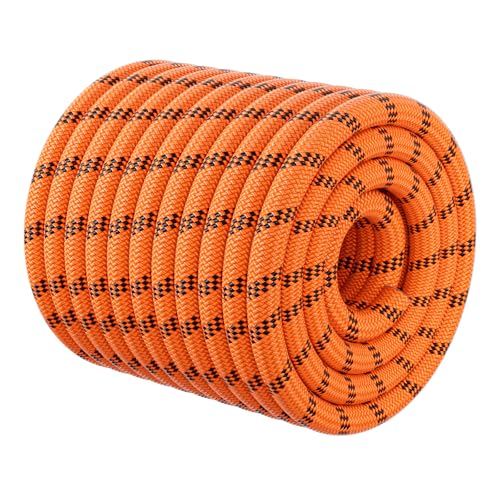
This heavy-duty arborist rope features a 48-strand outer layer and a robust inner core, delivering excellent abrasion resistance and stability under load. Best for: demanding rigging tasks or as a backup line on larger vessels. Limitation: heavier and stiffer than lighter halyard options; may require more effort to pull knots or wrap around winches.
DerziNet 1/2″ Double Braided Arborist Rope

1/2″ double braided arborist rope with a 200 ft length. Best for: heavy-duty rigging work, towing, or swing lines for larger boats where high strength and durability are needed. Limitation: diameter is larger, which may not fit smaller winches or pulleys without modification.
Buying Guide: What To Consider When Choosing Sailboat Rigging Rope
- Rope material: Nylon offers good stretch and shock absorption, ideal for halyards on smaller boats. Polyester provides low stretch and excellent UV resistance—great for control lines and long-term durability.
- Diameter and length: Match rope diameter to your winches, clutches, and mast hardware. Longer lines provide flexibility but add weight aloft and on deck.
- Construction: Double-braided ropes offer strength and better grip under load, while solid eye splices reduce wear at attachment points.
- UV and water exposure: Marine-grade ropes should resist salt and sun; nylon can absorb water, while polyester resists moisture and sun exposure better.
- Ease of use: Consider whether you need pre-spliced eyes or the ability to splice your own ends. Lighter ropes are easier to handle for solo sailors.
- Application: Use halyards for hoisting sails, control lines for trimming, and rigging lines for standing or running rigging as appropriate to your vessel size and sail plan.
Frequently Asked Questions
- What rope is best for sailboat halyards? – Low-stretch, double-braided nylon halyards are common for mainsails and jibs, offering reliable shape control and reduced stretch.
- Is polyester better than nylon for marine rigging? – Polyester has higher UV resistance and lower stretch, making it preferable for long-term control lines and standing rigging on many boats.
- Should I pre-splice halyards? – Pre-spliced eyes save setup time and improve secure attachment; ensure shackle compatibility with mast fittings.
- How do I choose the right rope diameter? – Check your winch and clutch specifications; smaller boats typically use 3/8″ while larger vessels may use 1/2″ or larger for heavy control lines.
- Do I need different ropes for different tasks? – Yes. Use nylon halyards for hoisting responsive sails and polyester lines for lines that require longevity and abrasion resistance.
- What maintenance is recommended for sailboat ropes? – Rinse with fresh water after salt exposure, dry away from direct sun when possible, inspect for frays and wear, and replace damaged lines promptly.