Propylene glycol marine antifreeze provides burst protection and corrosion inhibitors for boat engines, RVs, and hydronic heating systems. This guide compares five top options to help boaters and RV owners choose the right antifreeze for cold-weather protection, system longevity, and compatibility with mixed-metal installations. The best choice depends on your climate, system type, and how you plan to use the fluid (engine cooling, heating loops, or potable water lines).
Summary of selected products:
- STAR BRITE Premium -100°: Best for extreme cold protection in marine heating and cooling loops.
- Star Tron Star-Cool Premium: Best for mixed-engine performance with long service life.
- West Marine -50°F: Best ready-to-use option for simple installations.
- STAR BRITE Premium -200°F: Best for severe cold in RVs and water systems.
- Century Heat Transfer Fluid: Best for non-toxic, heating-focused RV systems.
STAR BRITE Premium -100° Boiler System Antifreeze

Features include superior heat transfer for Aqua-Hot and Hydro-Hot systems, burst protection down to -100ºF (-73ºC) at full strength, and premium corrosion inhibitors to protect internal components. Best for boaters with closed-loop heating or engine-cooling systems that require robust cold protection. Choose this if you operate in very cold waters or inland climates where extreme freeze risk exists. A potential limitation is that very cold-weather needs may require additional dilution considerations for system pressure compatibility.
Star Tron Star-Cool Premium Propylene Glycol

This option emphasizes maximum engine performance with PCT additives that maintain optimal temperatures for peak horsepower and efficiency, while staying safe. It offers extended service life with up to 2+ years of protection using POAT technology for corrosion resistance and leak prevention. It is designed to be compatible with a wide range of engines, including high-performance gas and diesel types. Best for power-focused marine or aftermarket engine setups; better for users who want long intervals between top-offs. Limitation: advanced formulation may be overkill for simple cooling loops with modest protection needs.
West Marine -50°F Engine & Water System Antifreeze
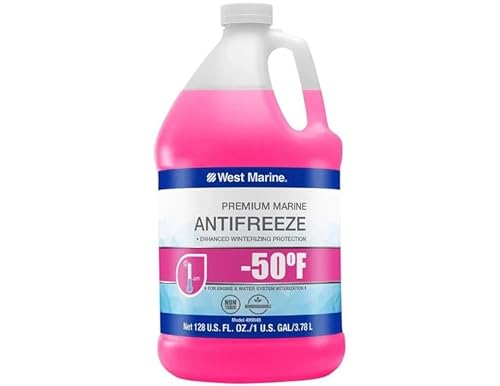
West Marine offers a ready-to-use, pre-mixed solution that provides burst protection down to -50°F (-46°C) for both engine and water systems. It includes advanced corrosion inhibitors to protect metals such as aluminum, brass, copper, and solder. Best for boaters who want a straightforward fill with immediate protection, especially in moderate climates. A limitation is that its -50°F protection may be insufficient in regions with harsher winters or when exposed to prolonged cold.
STAR BRITE Premium -200°F Antifreeze
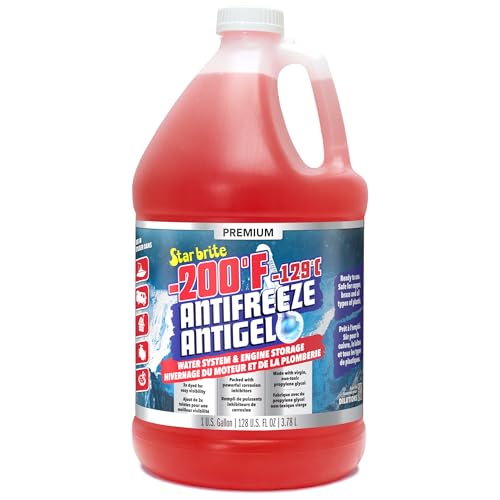
Designed for extreme cold, this option delivers burst protection down to -200°F and is suitable for potable water systems and various infrastructure. It contains virgin propylene glycol and corrosion inhibitors to reduce rust and wear. Best for RVs and boats in polar regions where extreme winter exposure is common. Choose this if you need the strongest protection; avoid this if you operate in milder climates and require lower concentrations for energy efficiency.
Century Heat Transfer Fluid (Red)

Century Chemical’s red, ready-to-use propylene glycol fluid is approved for heating systems in RVs and hydronic setups. It is non-toxic and non-corrosive with a high boiling point, designed to efficiently transfer heat. Best for campers and boaters who want a non-toxic option with strong heat transfer performance. A limitation is that it emphasizes safe, non-toxic use; verify system compatibility with any metal components in non-standard installations.
Sanco Industries Food Grade Propylene Glycol

This 4-gallon value pack offers food-grade propylene glycol suitable for multiple applications, including RV antifreeze, humidor solution, solvent use, and other DIY tasks. Best for buyers who value a versatile, large-pack option with culinary-grade or safety-focused applications. Limitation: not all marine cooling systems require food-grade fluid, so confirm in-system compatibility before use.
Buying Guide
What to consider when choosing propylene glycol antifreeze
- Protection range: Consider the climate and how cold the system might experience. Extreme cold often requires sub-freezing protection, while milder climates may suffice with -50°F or -100°F options.
- System compatibility: Check whether your boat or RV uses aluminum, copper, brass, or solder components. Some formulations offer better corrosion inhibitors for mixed metals.
- Ready-to-use vs concentrated: Ready-to-use mixes are convenient, but concentrates can be adjusted for specific system volumes and conditions.
- Safety and environmental impact: For systems near living spaces or potable water lines, non-toxic or food-grade formulations may be preferred.
- Manufacturer guidance: Follow OEM recommendations for glycol type, inhibitor packages, and dilution ratios to preserve warranty and performance.
Practical questions and answers
- Q: Is propylene glycol safer than ethylene glycol for marine systems? A: Yes, propylene glycol is generally less toxic and is commonly selected for environments with potential human contact.
- Q: Can I mix different brands of propylene glycol antifreeze? A: Mixing is not recommended unless the manufacturer specifies compatibility; differing inhibitor packages can reduce protection.
- Q: How often should I replace antifreeze in a marine system? A: Replacement intervals vary by product; follow the product’s service life guidance, typically every 1–2 years for extended protection formulations.
- Q: Do these fluids require special disposal? A: Yes, dispose of used glycol according to local hazardous waste guidelines.
- Q: Can I use these fluids in potable water systems? A: Some formulations are designed for potable water use; always verify the product’s suitability for drinking-water systems.
- Q: What indicates a need for maintenance beyond antifreeze? A: Leaks, corrosion signs, or reduced heat transfer efficiency warrant inspection and possible inhibitor refreshment.
All products listed are propylene glycol-based antifreeze options designed for marine, RV, and heating systems. The best choice depends on climate, system type, and whether you prioritize extreme cold protection, ready-to-use simplicity, or non-toxic formulations. Use the buying guide to align product features with your installation and maintenance plans.