Direct answer: If you trailer an outboard motor, a quality transom saver helps protect your boat’s transom, reduces bounce, and distributes engine weight to the trailer. The best fits are adjustable, compatible with up to 100–150 HP motors, and offer both roller and trailer-mount options. The following five products are well-suited for common trailer setups and engine sizes, with notes on who each is best for.
| Product | Best For | Key Benefit |
|---|---|---|
| PUIOCO Adjustable Boat Transom Saver | Trailer setups with motors up to 100 HP | Five adjustable points; roller and trailer mounts |
| JY PERFORMANCE Adjustable Boat Transom Saver | Wide range of outboard sizes up to 100 HP | Aluminum construction; adjustable 23″–35″ |
| Attwood SP-400-RB Adjustable Transom Saver | Rugged, long-term highway transport | Durable composite head; dual mounting options |
| Sebnux Boat Transom Saver | Budget-conscious trailers under 100 HP | Premium aluminum with composite head; strong support |
| Mangrove TS-Block Transom Saver | Single-ram hydraulic tilt systems on multiple brands | Universal wedge design; easy, drill-free use |
PUIOCO Adjustable Boat Transom Saver

Best for: Trailer owners with outboards up to 100 HP seeking flexible mounting. The PUIOCO transom saver offers five adjustable points (23″ to 35″) to fit standard hulls and engines. It provides roller brackets and trailer mounting options to adapt to different trailer configurations. This versatility helps balance engine weight and limit ground clearance issues during highway transport.
Caution: The unit is designed for trailer use and should be removed before launching. Ensure electric trim/tilt is present if required by the engine design.
JY PERFORMANCE Adjustable Boat Transom Saver

Best for: Customers needing a robust, adjustable solution for up to 100 HP motors. The JY PERFORMANCE transom saver adjusts from 23″ to 35″ and uses aluminum construction for strength and durability, helping distribute weight and reduce stress on the transom during trailering.
Limitation: Like similar units, it requires installation alignment with trailer hardware; improper setup could affect performance on rough roads.
Attwood Adjustable Transom Saver SP-400-RB
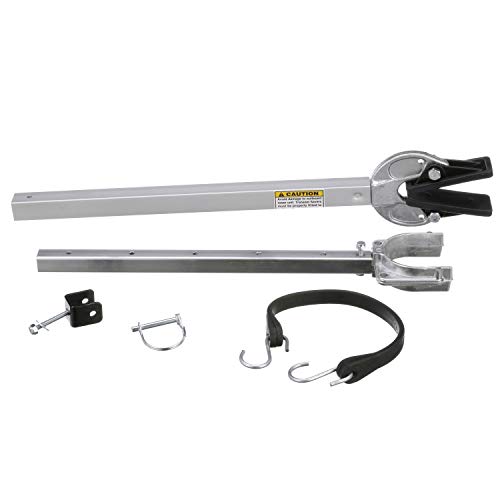
Best for: Trailer owners needing a proven, durable system with flexible mounting. This Attwood model extends 23 to 35 inches and includes both roller and trailer mounts to match various trailer configurations. It helps minimize engine bounce during highway travel and protects the boat’s transom from fatigue.
Note: Ensure compatibility with your trailer’s mounting points and that the engine supports the required tilt/trim function for safe use.
Sebnux Boat Transom Saver
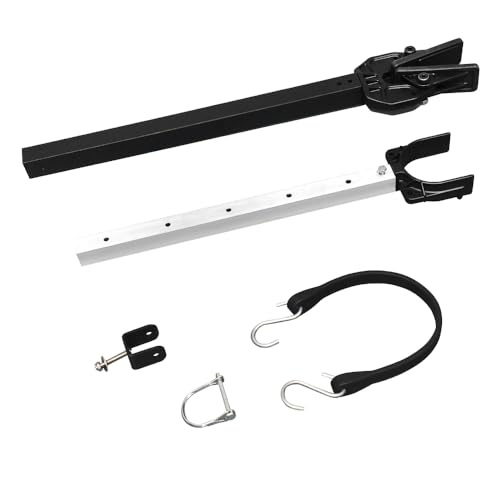
Best for: Budget-conscious buyers seeking reliable support for motors up to 100 HP. Sebnux emphasizes a premium aluminum build with a composite head that stabilizes the engine and protects against scratches. It is designed to handle outdoor use and offers solid performance for common trailer lengths.
Caution: Check the exact motor compatibility and ensure proper alignment to avoid over-tightening or misfit around uneven trailer frames.
Mangrove TS-Block Transom Saver

Best for: Trailering systems using single ram tilt hydraulics, with support for multiple outboard brands. The TS-Block uses a high-pressure wedge for easy, tool-free insertion and reduces metal-to-skeg contact. Ideal for yachts and smaller craft that frequently navigate tilt systems on trailers.
Limitation: Designed for single-ram tilt setups; verify your tilt arrangement before purchase to ensure compatibility.
Buying Guide
What to look for when choosing an outboard transom saver
- Engine compatibility: Check the HP range (commonly up to 100 HP or 150 HP) and ensure the unit supports your motor’s weight and mounting style.
- Adjustment range: A wide 23″–35″ (or more) range accommodates different boats and trailer configurations.
- Mounting options: Dual options (roller and trailer mounts) offer flexibility for various trailer hardware.
- Materials and durability: Aluminum bodies with composite heads resist corrosion and reduce scratches on the motor.
- Usage instructions: Some savers are strictly for trailer use; remove before launching to avoid interference.
- Ease of installation: Look for units that require minimal tools and provide clear alignment features.
Materials and performance considerations
- Aluminum construction provides strength with lighter weight and resistance to the elements.
- Composite heads protect the engine’s anti-scratch surfaces during transport.
- Rubber or V-blocks can cushion the motor and dampen vibrations, reducing transom stress.
What about installation and maintenance?
- Follow the manufacturer’s installation steps precisely to avoid misalignment or slippage.
- Inspect mounting brackets and fasteners for corrosion and wear before each trip.
- Remove the saver before launching to prevent interference with water entry and water flow around the engine.
Common scenarios and recommendations
- Better for frequent highway travel: Choose models with robust mounting options and high-strength aluminum frames (e.g., Attwood SP-400-RB or JY PERFORMANCE options).
- Budget-friendly trailees: Sebnux provides reliable support at a lower cost while maintaining durability.
- Wide compatibility: Mangrove TS-Block offers universal wedge-based support for tilt systems on multiple brands.
FAQ
- Q: Can I use a transom saver for saltwater boats? A: Yes, but rinse corrosion-prone parts after use and inspect seals and fasteners regularly.
- Q: What HP range should I look for? A: Most common savers support up to 100 HP; some universal designs reach 150 HP.
- Q: Do these savers affect trailer weight distribution? A: They are designed to transfer engine weight to the trailer to reduce transom stress during transport.
- Q: Do I need tools to install? A: Many models use simple clevis pins, bolts, and brackets; some require minimal assembly.
- Q: Should I leave the saver on during transport on uneven roads? A: Use the recommended installation and secure all fasteners; avoid loose parts on rough terrain.
- Q: How do I choose between roller and trailer mounts? A: Roller mounts support smoother motion on some trailers, while trailer mounts provide fixed security; choose based on your trailer hardware and preferred setup.