Looking for the right outboard kick-up plate depends on engine size, mounting setup, and how you operate in shallow or obstacle-prone waters. This guide highlights five top options, explaining who each one is best for and why. Whether you need a rugged reinforcement plate or an adjustable jack plate with kick-back capabilities, these selections help reduce damage risk and optimize engine clearance. The table below compares the five products to help you decide quickly.
| Product | Brand | Best For | Key Benefit |
|---|---|---|---|
| Bob’s Machine Kick-Back Jac Plate | Bob’s Machine Shop | Medium HP outboards up to 115 HP | Smooth operation with Delrin rollers; safety tether |
| Winibo 6″ Electric Hydraulic Jack Plate with Kick-Back | Winibo | Shallow-water navigation up to 200 HP | Hydraulic stroke with kick-back; locking pins |
| Winibo 8″ Adjustable Outboard Motor Jack Plate | Winibo | Longer shaft engines on short transoms | Full 4-inch vertical range; corrosion-resistant |
| Outboard Transom Reinforcement Backing Plate | Generic | Universal transom reinforcement | Full-pattern, durable aluminum |
| 3/16″ Outboard Transom Reinforcement Plate | telfair | Large motors requiring extra backer strength | Heavy-duty iron backing for rigidity |
Bob’s Machine Kick-Back Jac Plate

Best for mid-range outboards with modest mounting needs. This plate is rated for engines up to 115 HP and uses Delrin rollers and bearings to reduce friction for smoother operation. A dedicated motor tether attachment point enhances safety during trailering or high-wobble situations. Choose this if you want a simpler upgrade that improves engine setback without complex installation. Caution: not designed for very high-horsepower applications beyond 115 HP.
Winibo 6″ Electric Hydraulic Jack Plate with Kick-Back

Best for shallow-water navigation and boats up to 200 HP. The 6.69-inch vertical hydraulic stroke combined with a 30° kick-back helps keep the prop from striking underwater obstacles. Locking pins secure the plate during reverse operations or trailering, and grease fittings at pivot points simplify maintenance. Choose this if you need adjustable height with electric control for frequent water-depth changes. Limitation: hydraulic components may require periodic servicing.
Winibo 8″ Adjustable Outboard Motor Jack Plate

Best for long-shaft engines on short transoms needing substantial vertical adjustment. This 8″ setback aluminum jack plate uses high-strength 6061 aerospace aluminum with T6 heat treatment for durability and corrosion resistance. It offers a full 4-inch vertical range via top adjustment bolts. Choose this if you require significant engine height versatility and robust construction. Limitation: heavier plate than smaller options, which may affect weight distribution on lighter boats.
Outboard Transom Reinforcement Backing Plate

Best for universal use with various outboard motors needing transom reinforcement. This 0.2″ thick aluminum backing plate provides robust support and full-pattern coverage for a secure fit. Choose this when you want a durable, universal reinforcement solution that integrates with many hull styles. Limitation: aluminum backing may be less rigid than thicker or iron plates in extreme loads.
RUIANOMG MJ-1-DP Jack Plate 4inch Setback
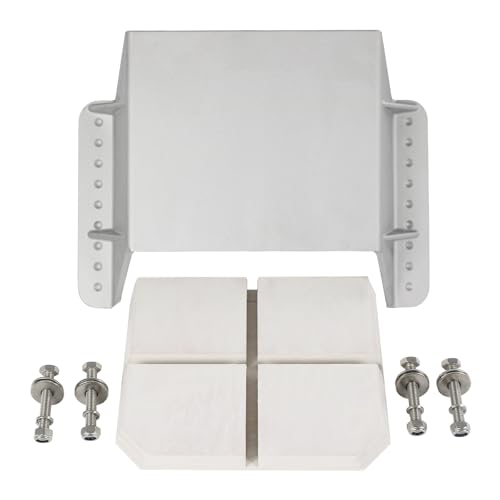
Best for small engines up to 35 HP on dinghies and inflatables. It provides a 4-inch setback with a manual lift, designed to allow long-shaft motors on short shafts while adding extra clearance. Choose this when you operate micro-boats that need modest engine height adjustments and easier manual operation. Limitation: suitable only for lower horsepower applications.
MJ-1-DP 4″ Setback Jack Plate – Manual Lift

Best for small boats needing a simple, manual-height upgrade. This model extends 4 inches off the transom and includes a wooden mounting block for secure installation. Choose this if you prefer a hands-on installation with a proven, low-tech adjustment. Limitation: manual operation may be slower for frequent depth changes.
Buying Guide: Key Considerations When Choosing an Outboard Kick-Up Plate
- Engine compatibility: Match the plate’s HP rating with your outboard’s horsepower to ensure safe operation and expected performance.
- Material and build: Aluminum plates offer corrosion resistance and lighter weight; iron or heavier builds provide extra rigidity for large motors.
- Adjustment range: Consider how much vertical adjustment you need. Hydraulic or electric systems enable frequent depth changes; manual lift offers simplicity and reliability.
- Transom compatibility: Ensure the plate fits your transom design and mounting pattern. Full-pattern reinforcement plates provide broad compatibility.
- Kick-back mechanism: A kick-back feature helps prevent prop strikes in shallow water; assess the required kick-back angle and reliability of the mechanism.
- Maintenance: Look for grease fittings and easy-access pivot points for long-term ease of maintenance.
- Installation and weight: Heavier jack plates may affect boat handling; ensure your mounting area supports the weight and balance.
FAQs
- What is a kick-up plate and why do I need one? A kick-up plate adds setback and allows the motor to rise slightly during shallow-water operation, reducing the risk of prop strikes and hull damage.
- Can I install a kick-up plate on any boat? Most plates are designed for specific transom types and shaft lengths. Verify compatibility with your boat’s transom and engine setup.
- Is a hydraulic jack plate better than a manual one? Hydraulic or electric systems provide easier, faster height adjustments, especially in changing water depths; manual plates are simpler and more budget-friendly.
- What maintenance do these plates require? Regular lubrication of pivot points, checking mounting hardware, and inspecting seals on hydraulic systems help maintain reliability.
- Do reinforcement plates improve performance beyond protection? Yes, reinforcement plates can improve load distribution and reduce transom stress, especially on larger outboard engines.
- Are there safety concerns with kick-up plates? Ensure proper tethering, secure mounting, and adherence to manufacturer guidelines to prevent hardware failure during operation.