The top choice for boaters seeking reliable fuel tank venting is here. This guide highlights five vent products that suit different boat types, fuels, and installation needs. Each option is chosen for durability, compatibility with 5/8 inch hoses, and corrosion resistance. The buyers below range from small pleasure boats to larger yachts and freshwater/foul-water environments. Use the quick reference table to compare core specs at a glance.
| Product | Best For | Key Benefit | Hose Size | Material |
|---|---|---|---|---|
| 316 Stainless Steel Marine Grade Fuel Gas Tank Vent | Warships, large center-console boats | High corrosion resistance, robust mounting | 5/8 Inch | 316 Stainless Steel |
| Seachoice Fuel Tank Vent Chrome 5/8 in. | Daily-use cruisers and inland boats | Chrome chrome-plated with flame arresting screen | 5/8 Inch | Chrome-plated Zinc |
| Yetaha Fuel Tank Vent, Marine Thru Hull Vent | Compact installations on smaller boats | Easy installation, no drilling or welding required | 5/8 Inch | Nylon (vent body) |
| Attwood 66419-3 Composite P-Trap Vent | Vessels needing ABYC-compliant venting | Prevents water entry while venting air | 5/8 Inch | Composite/Black |
| Seachoice Thru Hull Fuel Tank Vent | Through-hull installations on moderate hull depths | Durable brass with chrome finish | 5/8 Inch | Chrome-plated Brass |
Choosing the right vent depends on hull type, installation space, and exposure to saltwater. The following sections summarize each product’s essentials to help you pick the best fit for your vessel and fuel system. Details reference mounting, material durability, and compatibility with 5/8 inch hoses.
316 Stainless Steel Marine Grade Fuel Gas Tank Vent

Best for high-salt or industrial environments, this 316 stainless steel vent provides superior corrosion resistance and long-term durability. It requires about a 1 3/8-inch mounting hole and is designed to connect with a 5/8-inch interior diameter hose. Best for: larger boats or vessels that demand rugged hardware and minimal maintenance. Caution: installation requires precise hole preparation to maintain a watertight seal.
Seachoice Fuel Tank Vent Chrome 5/8 in., USCG Approved

Better for cruisers needing a visually minimal vent with added flame arresting protection. Chrome-plated zinc construction delivers corrosion resistance, and the stainless-steel flame arresting screen helps block contaminants. Best for: boats where aesthetics matter and practical flame protection is a priority. Caution: chrome plating can show wear over years in harsh environments.
Yetaha Fuel Tank Vent, Marine Thru Hull
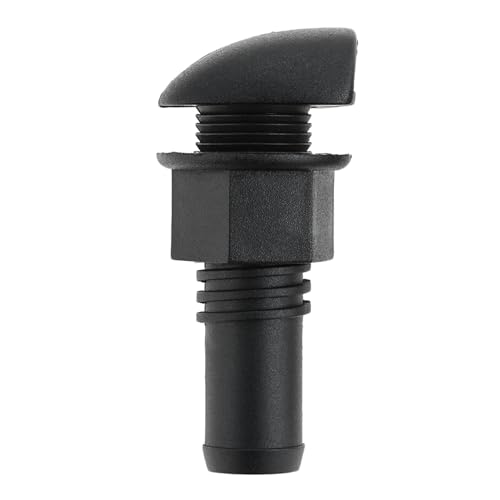
Easy-to-install option suitable for boats, yachts, or fishing craft. The vent uses nylon for flatness and durability, with no drilling or welding required. Best for: small to mid-sized boats where a quick retrofit is essential. Limitation: nylon components may have lower UV resistance over extended years of exposure.
Attwood 66419-3 Composite P-Trap Vent

Best for ABYC-standard installations on 5/8″ I.D. hose, this vent prevents water entry while allowing air movement. The P-trap design eliminates the need for an additional anti-siphon loop in the vent hose. Best for: boat owners who want a code-compliant vent with integrated water-blocking features. Caution: may require careful routing to maintain proper venting height and prevent splash entry.
Seachoice Thru Hull Fuel Tank Vent

Choose this if you need a through-hull solution with chrome-plated brass, designed for durability in saltwater. It includes two vent holes for reliable air exchange. Best for: boats with accessible hull penetration and a requirement for robust brass construction. Caution: through-hull installations demand proper sealing to avoid hull leaks and must align with interior hose routing.
Buying Guide
What should I consider before buying a fuel tank vent?
Key factors include hose compatibility (5/8 inch I.D. often used in marine vents), mounting method, and environmental exposure. Materials matter: stainless steel offers superior corrosion resistance, while chrome-plated brass or zinc-plated components balance cost with durability. Consider whether you need a through-hull or P-trap design based on hull access and potential splash exposure.
What installation style fits my vessel?
If you have an exposed deck area, a splash-resistant or sealed vent can minimize water intrusion. Through-hull vents work well for hull-penetrating installations with careful sealing. For easier retrofits, nylon or composite vents provide simpler mounting without extensive fabrications.
What about safety and standards?
Some vents carry ABYC compatibility or USCG considerations. Flame arresting screens and corrosion-resistant finishes reduce contaminant ingress and rust. When possible, choose vents with proven resistance to washdowns and salt spray.
Should I replace a damaged vent cover separately?
Yes. Replacement vent covers can restore airflow without replacing the entire vent. Look for standard P-type or 5/8 inch sizing to ensure compatibility with existing hoses and mounting holes.
FAQ
-
What size hose do these vents fit?
Most listed vents fit 5/8 inch interior diameter hoses, which is common for many marine fuel systems.
-
Do vent problems cause fuel contamination?
Improper venting can lead to pressure buildup or airflow restrictions, potentially affecting fueling efficiency and tank pressure equilibrium.
-
Are chrome-plated vents prone to corrosion?
Chrome-plated vents can resist corrosion but may wear over time; for high-salt environments, stainless steel or brass variants offer longer life.
-
Is a through-hull vent suitable for all boats?
Through-hull vents require proper hull penetration and sealing. They are effective for boats with accessible hull regions and appropriate mounting space.
-
Can I install these vents myself?
Many vents are designed for DIY installation, especially those that require no drilling or welding. Always follow manufacturer instructions for mounting and sealing.