Answering the need for reliable marine fuel delivery, this guide highlights top 5 marine grade fuel hoses that balance durability, flexibility, and compatibility. Ideal for boaters, RVs, tractors, and other equipment in salty or humid environments, these hoses are chosen for ethanol tolerance and robust construction. The top picks are best for outboard motors, inboard systems, and universal fuel lines. Buyers should consider operating temperature, working pressure, and material composition to ensure smooth fuel flow and long service life.
| Product | Brand | Key Strength | Typical Use |
|---|---|---|---|
| EVIL ENERGY 3/8″ Marine Fuel Line Hose Type A1-15 | EVIL ENERGY | 300 PSI working, ethanol-compatible | Outboard and small marine engines |
| 3/8 Inch ID Fuel Line Hose – 10FT Marine Grade | ALLWIN | Premium NBR, -40°F to 257°F | General marine and automotive fuel systems |
| 3/8″ Nylon Braided Marine Fuel Hose Kit | Bzcovac | Universal fit, includes primer bulb | Outboard, RVs, tractors |
| EVIL ENERGY 3/8″ Marine Fuel Line Hose 25FT | EVIL ENERGY | Long run, identical material | Longer fuel runs on boats |
| 3/8” Marine Fuel Hose Feed Line (10 Ft) | CULMKARI | NBR inner, NBR+PVC outer | Ships, marine equipment |
EVIL ENERGY 3/8 Marine Fuel Line Hose Type A1-15

The EVIL ENERGY 3/8″ Marine Fuel Line Hose Type A1-15 features an NBR inner layer with an NBR+PVC outer layer and a polyester braid, delivering reliable performance. Maximum working pressure is 300 PSI, with a burst pressure of 900 PSI. Operational temperature ranges from -20°F to 221°F (-30°C to 105°C). This hose is suitable for gasoline, diesel, E85, and other fuels, making it a versatile choice for boats and marine engines. Best for compact to mid-size boats seeking a robust, ethanol-tolerant line.
Best for: small to mid-sized marine engines needing a compact, ethanol-tolerant fuel line. Choose this if you want a flexible, proven option with solid pressure margins. Caution: Ensure clamps and fittings meet SAE J1527 Type A1-15 or equivalent requirements to avoid leaks in high-load conditions.
ALLWIN 3/8 Inch ID Fuel Line Hose – 10FT

The ALLWIN 3/8 Inch ID Fuel Line Hose uses premium NBR material with strong oil, heat, and flame resistance. It handles a wide temperature range from -40°F to 257°F and supports up to 300 PSI working pressure, with a burst rating around 1160 PSI. The 10-foot length makes it suitable for mid-length runs in boats and automotive fuel systems. Best for: users needing a durable, high-temp fuel line with good chemical resistance. Limitation: verify exact inner diameter tolerances for specific quick-connects.
EVIL ENERGY 3/8″ Marine Fuel Line Hose 25FT

This longer 25-foot option mirrors the 3/8″ A1-15 construction with an NBR inner and NBR+PVC outer layer reinforced by a polyester braid. It shares the same 300 PSI working pressure and 900 PSI burst pressure, with the same -20°F to 221°F temperature range. Best for: longer fuel runs on larger vessels or installations requiring extended hose segments. Caution: longer hoses can add transit resistance; ensure clamps are secured to prevent movement during operation.
CULMKARI 3/8″ Marine Fuel Line Feed Line (10 Ft)

The CULMKARI 3/8″ feed line uses a high-quality NBR inner and NBR+PVC outer material with a durable outer construction. It supports universal marine usage and comes with 10 feet of hose, small 80mm minimum bending radius, and a 9.5mm inner diameter. Best for: ships and marine equipment needing a reliable, all-purpose fuel hose. Limitation: engine/tank quick-connect fittings are not included, so adapters may be required.
Bzcovac 3/8″ Nylon Braided Marine Fuel Hose Kit
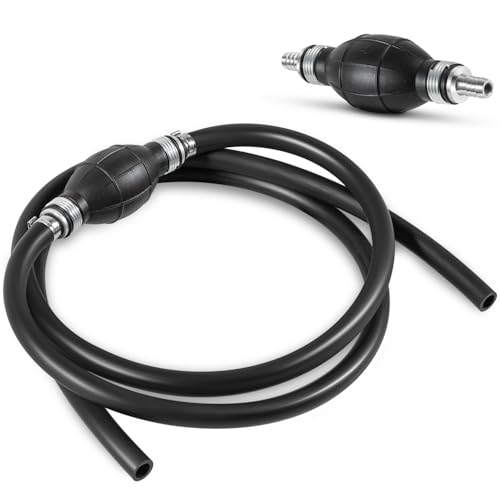
The Bzcovac kit features a 3/8″ nylon braided hose with a primer bulb and stainless clamps. It is ethanol-compatible and designed for universal fit across outboards, RVs, tractors, and more. Best for: users seeking a complete kit that includes a primer bulb and clamps for quick installation. Caution: fittings are not included in every package; confirm compatibility with existing quick-connects.
Buying Guide
What should you consider when choosing a marine fuel hose?
- Fuel compatibility: Most hoses support gasoline, diesel, and ethanol blends like E85. Verify compatibility for your fuel type and any additives.
- Pressure rating: Look for a working pressure around 300 PSI with a burst rating well above that to handle surge and temperature changes.
- Material composition: NBR inner layers with NBR+PVC outer layers and polyester braids offer durability, oil resistance, and UV tolerance.
- Temperature range: Marine environments vary; select hoses rated for wide temperatures to avoid hardening or cracking.
- Length and bend radius: Choose lengths that minimize excess slack and ensure the minimum bending radius is satisfied for safe routing.
- Fittings and accessories: Some products include clamps, primer bulbs, or spare bulbs. Consider whether you need a complete kit or individual hose only.
How to compare options at a glance?
- Best for compact boats: Shorter hoses with strong resistance and flexible routing.
- Best for longer runs: 25-ft hoses reduce the need for additional splices or connectors.
- Best all-around: Ethanol-compatible hoses with high temp and high pressure margins.
Practical tips for installation
- Use approved hose clamps sized for the hose outer diameter. Tighten firmly but avoid overtightening.
- Avoid sharp bends and route away from heat sources or moving components.
- Inspect hoses for signs of wear, cracking, or swelling before each boating season.
- Keep away from fuel vapors or sources of ignition during installation and maintenance.
FAQ
- What is a typical working pressure for marine fuel hoses? Most options in this guide target about 300 PSI with higher burst pressures for safety margins.
- Are these hoses ethanol-compatible? Yes, several models are designed to handle ethanol blends like E85.
- Do hoses come with fittings? Some kits include clamps and bulbs; others are hose-only and require separate fittings.
- Can I use any hose for diesel or gasoline? Compatibility depends on the inner material and outer jacket; verify fuel type compatibility before use.
- What is the minimum bend radius I should observe? Most hoses in these options specify about 80 mm as a minimum bend radius.
- How long should the hose last in a marine environment? Durability depends on material quality, exposure to sun, and maintenance; inspect regularly for wear.