Direct answer: For marine fuel system upkeep, choose concentrated additives that dissolve sludge, prevent varnish, and protect against ethanol-related issues. The top options below cater to different boat engines and fuel risks, from older tanks needing sludge removal to modern systems needing ethanol stabilization. This guide highlights five products likely to suit anglers, weekend boaters, and professional captains alike. Each entry notes who it’s best for and why. A quick buying table follows to help you compare at a glance.
Quick comparison (selected products):
- STAR BRITE Star Tron Fuel Treatment — best for engines needing enzyme-based stabilization and broad fuel cleanliness
- STA-BIL 360 Marine Fuel System Treatment (1 gallon) — best for larger fuel tanks and in-season cleaning
- STA-BIL 360 Marine Fuel System Treatment (32 oz) — best for mid-size boats and frequent storage cycles
- Chevron Techron Protection Plus Marine Fuel System Treatment — best for ethanol-related issues and system protection
- STAR BRITE Star Tron Enzyme Fuel Treatment (32 oz) — best for urban/seasonal use with enzyme-based cleaning
Star Tron Fuel Treatment by STAR BRITE
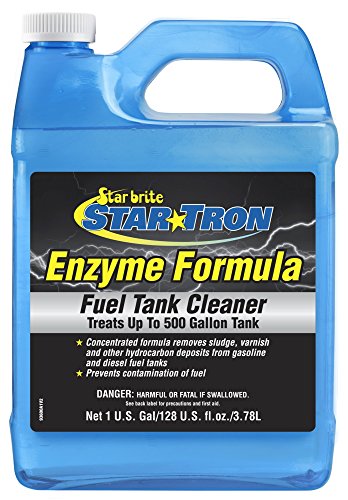
Star Tron Fuel Treatment uses an enzyme-based formula designed to stabilize fuel and reduce buildup. It dissolves sludge and gum while rejuvenating old fuel and helping engine lines stay clear. The chemical-free profile aims to protect various engine types from damage caused by deposits. This option is best for boaters who want a broad, maintenance-focused cleaner that improves starting and running when tanks contain aged fuel or variable storage. It’s suitable for both gasoline and diesel systems, making it versatile for mixed fleets.
Who it’s best for: owners with older fuel that has varnish or gum deposits, and those seeking a non-stripping, enzyme-based cleaner to protect multiple engine types.
Why selected: It emphasizes deposit removal and fuel rejuvenation without harsh solvents, helping prevent clogging in fuel lines and injectors.
Caution/limitation: Results may vary with severely degraded fuel; expect gradual improvement rather than instant restoration in those cases.
Sta-Bil Marine Tune-Up Fuel Treatment

Sta-Bil Marine Tune-Up is marketed to clean carburetors and injectors while addressing rough running engines and water in fuel. It’s positioned as a practical option for boats facing common gasoline issues, especially in older vessels with carbureted or lightly modernized systems. The product notes emphasize treating up to 20 gallons, which fits small-to-mid-size craft used for weekend outings or seasonal trips. It’s a straightforward choice for boaters seeking an in-tank cleaner that also targets moisture-related problems.
Who it’s best for: boaters with rough idle or inconsistent engine performance, especially in models with carburetors or mixed fuel histories.
Why selected: It directly addresses carburetor and injector cleanliness along with water elimination, a frequent source of marine engine issues.
Caution/limitation: The product description is brief; users may want to confirm compatibility with high-performance diesel systems if applicable.
Star Tron Enzyme Fuel Treatment (32 oz)

This concentrated formula from Star Tron uses enzymes to treat fuel up to 512 gallons. It acts as a fuel stabilizer and cleaner, helping engines start more reliably and run cleaner after periods of inactivity. Enzyme technology focuses on reducing varnish and gum buildup in the fuel system, which supports smoother operation and potential fuel efficiency gains over time. The product’s emphasis on long-term stabilization makes it a solid option for boats stored seasonally or used intermittently.
Who it’s best for: boat owners who store fuel or operate on a seasonal schedule and want long-term stabilization plus deposit prevention.
Why selected: The enzyme approach provides ongoing cleanliness and reliability, especially valuable in boats that sit idle for weeks or months.
Caution/limitation: Large tank volumes may require multiple bottles to cover the full system effectively; check tank capacity before dosing.
Sta-Bil 360 Marine Fuel System Treatment (32 oz)
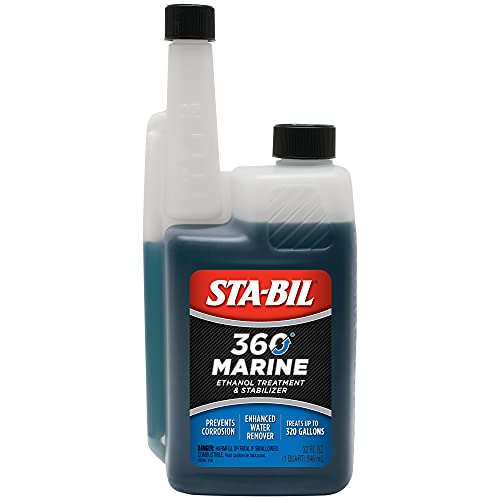
This 32-ounce bottle is described to cleanse the entire fuel system with PEA additives, targeting injectors, lines, and pumps. The formula removes water, gum, and varnish while helping prevent corrosion. It also claims a performance boost through cleaner combustion, which can translate to better starting and smoother operation. The product is typically suitable for frequent use across boats and watercraft that see regular use and mixed fuel environments, including ethanol blends.
Who it’s best for: boaters who want a robust, all-around cleaner for regular maintenance and protection against ethanol-related damage.
Why selected: The broad scope of cleaning, water removal, and corrosion protection makes it a practical baseline maintenance product for many marine systems.
Caution/limitation: Results depend on current fuel condition and storage practices; not a substitute for thorough tank cleaning in severe deposit scenarios.
Sta-Bil 360 Marine Fuel System Treatment (1 Gallon)

This 1-gallon option provides the same core benefits as smaller versions but is designed for larger fleets or boats with bigger tanks. It cleans and protects the fuel system against water uptake, varnish, and corrosion, while supporting fuel economy. The higher capacity is advantageous for frequent or high-use boats. The formulation focuses on long-term protection and consistent performance across an extended season.
Who it’s best for: owners with large fuel tanks or those who require a cost-effective, high-volume maintenance solution for frequent use.
Why selected: With a gallon size, it’s economical for boats that need regular treatment without frequent reorderings, while still delivering the cleaning and protection you expect.
Caution/limitation: Larger quantities require precise dosing to avoid over-treatment; follow dosage instructions carefully.
Chevron Techron Protection Plus Marine

Chevron Techron Protection Plus Marine is known for ethanol-related protection and a formulation that avoids adding water uptake. It offers protection across the entire fuel system in both fresh and saltwater environments. The product aims to stabilize fuel for storage and reduce ethanol-related problems, potentially offering a longer-term solution for boats stored in variable conditions. It’s positioned as a premium choice for engine longevity and reliability in marine settings.
Who it’s best for: boaters facing ethanol-related performance concerns and those who store boats for extended periods.
Why selected: Its emphasis on keeping water out of the fuel system and stabilizing fuel helps reduce common ethanol damage and storage-related issues.
Caution/limitation: Alcohol-free claims are common but verify compatibility with your exact fuel blend and engine requirements before use.
Buying Guide: Key Considerations for Marine Fuel Tank Cleaners
- Match product volume to tank capacity. Larger boats need larger bottles or multiple treatments. Always follow manufacturer dosing guidelines to avoid over-treatment.
- Confirm compatibility with gasoline, diesel, or ethanol-blended fuels. Ethanol-aware formulas help protect against water uptake and varnish in stored fuel.
- Some products emphasize sludge removal, while others focus on stabilization and prevention. Choose based on fuel condition and storage history.
- If you have both diesel and gasoline engines, select a versatile cleaner or use separate products designed for each fuel type.
- For boats stored for long periods, prioritize stabilizers and ethanol protection to maintain fuel quality over time.
- Concentrated formulas that mix cleanly with fuel and require minimal added steps tend to be preferred for regular maintenance.
Frequently Asked Questions
- What is the main purpose of marine fuel tank cleaners? To remove sludge, varnish, and water from the fuel system, improve starting, and protect against ethanol-related damage.
- How often should I use a fuel system cleaner? Follow the product’s guidance based on usage and fuel condition; seasonal users may apply before long storage and during peak boating seasons.
- Can these products be mixed with other fuel additives? Most are designed to work with standard cleaners and stabilizers, but always consult product instructions to avoid conflicting formulations.
- Do cleaners improve fuel economy? Some formulas claim performance and economy enhancements by reducing deposits and improving combustion efficiency.
- Are enzyme-based cleaners better than chemical solvents? Enzyme-based cleaners target deposits without harsh stripping, suitable for long-term maintenance, while chemical solvents may offer rapid cleaning in severe cases.
- Is there a risk with storing treated fuel? Stabilizers and ethanol protections reduce risks, but avoid excessive storage in extreme temperatures and follow label directions.