Answering the common buyer need for clean fuel and reliable operation, this guide highlights top marine fuel filter water separators. These products target engine protection by removing water and particulates from fuel, ideal for bass boats, fishing vessels, and small to mid-size cruisers. The featured picks vary by engine type and installation needs, including universal 3/8″ NPT ports and clear bowls for easy water checks. Best for boat owners who want straightforward maintenance, quick filter changes, and protection against fuel-borne contaminants.
| Product | Best For |
|---|---|
| Quicksilver 802893Q01 | Mercury/Mariner outboards and MerCruiser stern drives |
| CARMOCAR Replacement Filter | Universal marine fuel systems, multiple Mercury models |
| Sierra International 18-7866 | Yamaha, Merc, Racor, Sierra compatible setups |
| Attwood 11840-7 Universal Kit | All 2- and 4-cycle marine engines, easy install |
| Attwood 11841-4 Universal | Universal 10-micron replacement with double gasket |
Quicksilver 802893Q01 Water Separating Fuel Filter
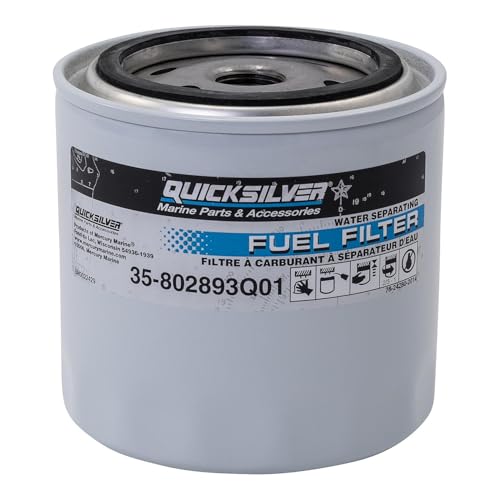
The 25-micron filtering element targets damaging fuel-borne contaminants to protect the engine and fuel system. Constructed with a polyester/cellulose/glass fiber blend and a phenolic binder, it is coated with silicon for durability and corrosion resistance. This unit aligns with Mercury Marine OEM specifications, offering reliable compatibility for Mercury and MerCruiser setups. Best for Mercury/Mariner outboards and MerCruiser stern drives seeking OEM-aligned filtration with strong contaminant removal.
Who it’s best for: boat owners running Mercury or MerCruiser systems who want a straightforward, OEM-compatible filter. Why selected: it adheres to original equipment specifications and uses a robust 25 micron element for effective protection. Caution: 25 microns may miss the smallest emulsified particles—consider pairing with upstream filtration if you operate in highly contaminated fuel.
CARMOCAR Fuel Filter Water Separator Replacement

This universal 3/8″ NPT fuel water separator is designed for marine diesel and gasoline applications. It replaces several Mercury/ Yamaha models and similar systems, making it a flexible option for many boats. The 10-micron rating is stated to capture tiny particles while maintaining a reasonable flow, and the unit is noted for lower pressure drop with 3/8″ ports. Best for: boaters needing a versatile, widely compatible filter with small particle protection. Why selected: broad compatibility reduces the need for multiple part numbers. Caution: verify fitment with your specific engine model to avoid mismatches in port sizing.
Why choose this: it covers multiple Mercury and Yamaha references, simplifying stocking and replacements. Limitation: data emphasizes broad compatibility over tested performance in every fuel condition, so monitor fuel quality regularly.
Sierra International 18-7866 10 Micron Filter
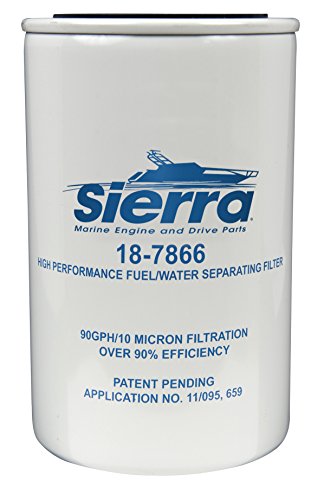
Designed for universal fit, this Sierra 10-micron fuel water separator helps protect inboard, sterndrive, and outboard fuel injection systems. It claims high efficiency in emulsified water removal and dirt capture, supporting smoother engine operation. Best for: boats using mixture engines from Yamahas to Mercruisers and Racors where a universal, high-efficiency option is preferred. Why selected: a trusted brand for marine fuel filtration with a focus on protecting sensitive fuel systems. Caution: universal fit may require adapters or brackets for some installations.
Attwood 11840-7 Universal 10-Micron Kit
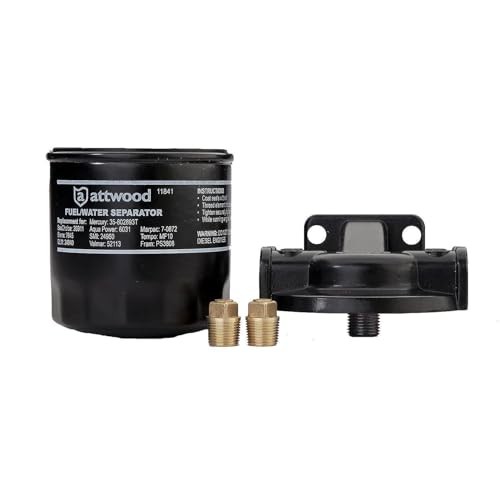
Includes a 10-micron filter, corrosion-resistant mounting bracket, and brass fittings. It offers universal 3/8″ NPT ports, accommodating many 2- and 4-cycle engines, including outboards and inboards. Best for: boaters who want a complete, ready-to-install filtration kit with better filtration and mounting options. Why selected: a comprehensive kit that reduces extra shopping time. Caution: installation may require some trimming or bracket adjustment depending on vessel layout.
Attwood 11841-4 Universal 10-Micron Filter
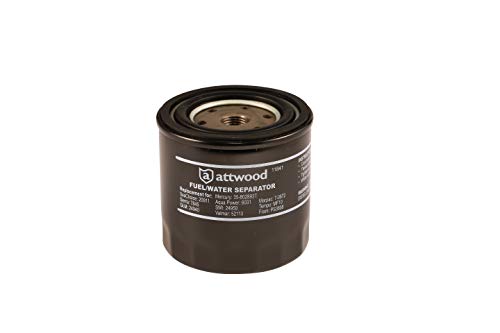
This model features a double gasket for enhanced sealing and universal 3/8″ ports, with 10-micron filtration. It is suitable for a broad range of engines and fuel systems, offering improved reliability and easier maintenance. Best for: boaters who value extra leak resistance and a robust sealing solution. Why selected: the double gasket helps maintain a tight seal in harsh marine environments. Caution: ensure replacement gaskets are compatible with your existing mounting hardware to prevent leaks.
Buying Guide: Key Purchase Considerations
- Engine compatibility: Check your engine type (outboard, sterndrive, inboard) and port sizes (3/8″ NPT vs other fittings) to match the filter’s ports and mounting.
- Micron rating: Lower microns offer finer filtration but may restrict flow. 10-micron filters are common and balance filtration with performance; 25-micron options provide different protection levels.
- Housing and mounting: Look for corrosion-resistant brackets and clear bowls for water inspection. A kit with hardware simplifies installation.
- Universal vs model-specific: Universal filters offer broad compatibility but verify exact fitment with your model numbers to avoid fit issues.
- Water removal: Emulsified water handling is crucial. Consider filters with clear bowls and self-draining features for quick water checks.
- Maintenance: Consider replacement interval, availability of replacement elements, and ease of service when choosing a filter.
Frequently Asked Questions
- Q: What does a fuel water separator do? A: It removes water and particulates from fuel to protect the fuel system and engine performance.
- Q: What micron rating should I choose? A: A typical choice is 10 microns for robust filtration with reasonable flow; 25 microns may be acceptable in cleaner fuel conditions.
- Q: Are universal filters compatible with most boats? A: They offer broad compatibility, but verify port sizes and mounting to ensure a proper fit.
- Q: Is a water separator necessary for diesel engines? A: Yes, water separation is crucial for diesel engines to prevent corrosion and fuel-system damage.
- Q: How can I tell if water is in my fuel? A: Use a filter with a clear bowl or inspect the water level after running the engine to check for water buildup.
- Q: How often should I replace the filter? A: Replacement frequency depends on fuel quality and usage; follow manufacturer guidelines and inspect regularly.