Answer: When choosing a marine AC to DC converter, look for a device that can reliably transform 110–230V AC into 12V DC with sufficient continuous and peak current for your loads, plus safety protections and weather-ready build. This guide lists top options suited for boats, RVs, and outdoor setups, highlighting who each product is best for and why it was selected.
The following quick comparison helps identify strong choices for marine environments. All products convert standard AC input to 12V DC, with different power ratings and protection features.
| Product | Output | Best for |
|---|---|---|
| Yaheeda New Version Converter | 12V DC, up to 50A peak (600W) | High-demand systems on boats or RVs |
| ALITOVE AC to DC Converter | 12V DC, 10A (120W) | Small-to-mid loads; car-based use |
| elxjar 12V 10A IP67 | 12V DC, 10A | Outdoor or wet environments |
| EAGWELL New Version | 12V DC, 50A peak (600W) | Heavy-duty vehicle and boat loads |
| RoyPow 2A/24W | 12V DC, 2A | Low-power electronics; backup accessory power |
Yaheeda New Version 600W AC to DC Converter

Key features: Adjustable input and output, including AC 110V/220V with wide voltage ranges; peak current up to 50A and peak power up to 600W; built-in EMI filter and full-load burn-in testing. One-key on/off switch adds safety for power start/stop. Dual power connection options improve versatility in marine or RV setups.
Best for: Boats or RVs with higher 12V demand, such as LED strips paired with pumps or LCD monitors. The high peak capability helps handle motor surges occasionally seen in bilge pumps or air compressors. Choose this if you need robust peak performance.
Caution: For continuous use, operate below about 40A (480W) as recommended to maintain longevity. For resistive loads, ensure your load stays within the recommended 1.25x margin for SMPS peak power.
ALITOVE AC to DC Converter 12V 10A
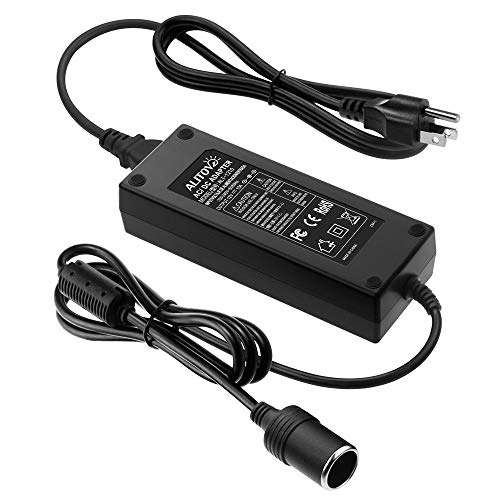
Key features: 100–240V input with 12V DC output at 10A (120W max); 8-foot power cord; built-in safety protections including overload, over voltage, over temperature, and short-circuit cut-offs. Broad compatibility with 12V automotive electronics under 120W.
Best for: Small cabins or boats where a compact, easy-to-install supply is needed to power a refrigerator, dash cam, or USB devices without heavy electrical work. Better for lighter loads where space is at a premium.
Limitation: Do not run devices over 120W for long periods, as this can shorten the adapter’s lifespan.
elxjar 12V 10A IP67 Waterproof

Key features: 12V output at 10A with IP67 waterproof enclosure; wide 110V–220V AC input; direct cigarette lighter-style connectivity. Includes protection against overvoltage, overheating, short circuits, and overcurrent.
Best for: Outdoor or marine environments where moisture or rain exposure is expected. The waterproof enclosure increases durability for dock-side use or open cockpit applications.
Tip: Ensure load does not approach the 120W mark for extended periods to maintain reliability in rough marine conditions.
EAGWELL New Version 600W 50A AC to DC

Key features: 600W peak power with 50A peak current; designed for RVs, pumps, LED strips, CCTV, car stereo, or diesel heater. US patent-facilitated tool-free installation; built-in cables with heavy-duty alligator clips for quick connections. Power formula supports resistive loads at 1.25x and motors at 2x for peak matching.
Best for: Higher-power marine applications such as cabin LED lighting, water pumps, or small refrigeration systems where rapid on/off cycling occurs. Suitable for on-the-go use due to tool-free installation.
Limitation: While versatile, continuous operation at very high current should be planned to prevent overheating in hot climates.
RoyPow AC to DC Converter 24W

Key features: 110V/120V input in a compact package with 12V output at 2A max. Suitable for low-power devices through a cigarette lighter socket; designed for easy integration into vehicles or boats where minimal power is required.
Best for: Small electronics like dash cameras, USB chargers, or small fans. Better for backup or auxiliary circuits rather than primary loads.
Caution: Not recommended for devices like refrigerators, air pumps, or other high-wattage appliances.
Buying Guide: Choosing The Right Marine AC To DC Converter
What output power do you need? List all 12V loads and their continuous current. For motors or compressors, prioritize models with higher peak capability (50A or more) to handle startup surges.
- Continuous vs. peak current: Continuous current determines everyday use; peak current handles surges. Match to load type (resistive vs inductive).
- Input voltage range: Ensure the unit accepts 110–230V AC to cover regions you travel or operate in. A wide input range adds flexibility aboard.
- Protection features: Look for overload, overvoltage, short-circuit, and thermal protections. Built-in EMI filters improve stability for sensitive electronics.
- Environmental suitability: IP67 or waterproof housings help in wet marine settings. Vibration resistance and rugged enclosures reduce risk on boats.
- Physical connections: Consider length of input and output cords, and whether cigarette-lighter plugs or hardwired connections suit your installation.
- Mounting and installation: Some units offer tool-free installation, which can save time in limited spaces aboard a vessel.
Practical tips for marine use
- Keep a buffer between continuous load and the converter’s rated limit to preserve life in hot, humid environments.
- Plan for peak loads during start-up (e.g., pumps) by selecting a model with higher peak or using a dedicated supply for heavy inductive loads.
- Secure all connections against corrosion and ensure adequate ventilation to prevent overheating.
Installation considerations
- Choose a location with good airflow and away from direct exposure to rain unless the unit is IP-rated for outdoors.
- Label circuits clearly and integrate with your boat or RV’s electrical plan to avoid accidental overloads.
- Regularly inspect cable insulation for wear due to vibration or movement.
FAQ
- What is the difference between continuous and peak power in these converters? Continuous power is the steady output the device can sustain; peak power is the temporary surge capacity, useful for motors or pumps at start-up.
- Can these converters power car refrigerators? Yes, but you must check the continuous wattage of the refrigerator and match it to the device’s continuous rating.
- Are waterproof models necessary on a boat? Waterproof or IP-rated enclosures are beneficial in wet environments but not a substitute for proper electrical design and protection.
- Is it safe to run 12V devices directly from a marine converter? Use only devices rated for 12V DC and within the converter’s current limits to avoid damage or overheating.
- Should I choose a higher-wattage converter for future upgrades? If you anticipate adding high-draw equipment, selecting a higher-rated unit provides headroom and reduces risk of overload.
- Do these devices require professional installation? Many are designed for DIY installation; however, for complex or high-current marine systems, professional wiring is advisable.