Finding the right marine AC/DC distribution panel means balancing space, safety, and ease of use. This guide highlights five reliable options that suit different boat and RV setups. Best for compact layouts, best for heavier-duty needs, best for mixed AC/DC loads, and best all-in-one controls. Each product is chosen for clear wiring, accessible layouts, and practical features that sailors and campers rely on.
Summary of selected products:
| Product | Best For | Key Benefit |
|---|---|---|
| Blue Sea Systems 8027 Traditional Metal Panel, AC Main + 6 Positions | Small boats needing AC main with basic spillover | Durable metal design with a compact footprint |
| BIPIMIFI WF-8930/50NPB RV Distribution Center | RV users needing 30 or 50 amp options | Versatile input and quiet operation |
| Blue Sea Systems 8023 Traditional Metal DC Panel – 8 Positions | DC-focused power distribution | Structured DC bus organization |
| DAIERTEK Bus Bar 12V 150A | High current and flexible wiring | Sturdy build with large terminal studs |
| Progressive Dynamic PD50B2T2NNV 30 Amp | Compact AC/DC distribution with 30 A | Clear control center for small systems |
Blue Sea Systems 8027 Traditional Metal Panel, AC Main + 6 Positions
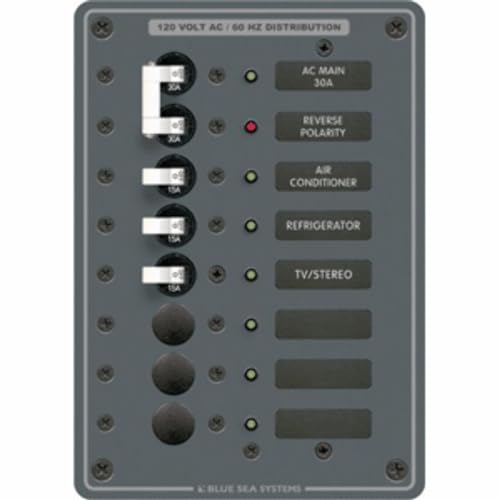
The Blue Sea Systems 8027 provides an AC main line plus six positions, in a traditional metal panel. Best for small powerboats or sailboats that need a dedicated AC distribution path without a large footprint. This panel is suited for owners who want a sturdy, straightforward setup with a clear AC main feeder and a handful of circuit positions. Its compact dimensions fit tight engine rooms or nav stations, and the metal construction offers robust durability for marine environments.
Who this is best for: boaters with limited space who require a dedicated AC main and a handful of circuits. Why chosen: proven marine-grade metal construction and a simple, reliable layout. Caution: exact electrical labeling and terminal compatibility should be verified for your specific system.
BIPIMIFI WF-8930/50NPB RV Distribution Center
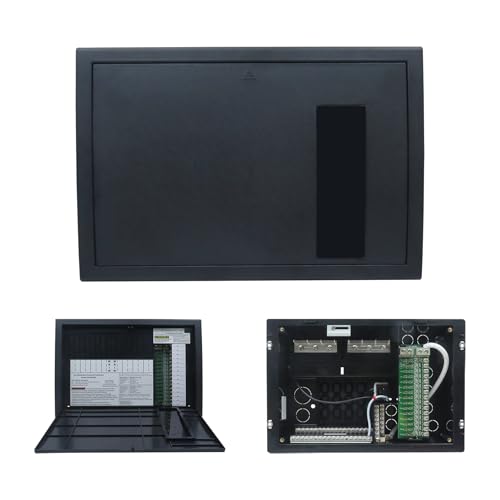
This RV-oriented distribution center offers 30 or 50 amp AC service with flexible input voltage options (120/240 VAC). Its compact, light design (13.75 x 9.5 x 4 inches; about 3.75 lbs) makes installation easy in RV interiors where space is at a premium. It emphasizes quiet operation to avoid interference with other devices aboard. Best for RV owners or trailer users who need a portable, space-efficient power center with dual-amps capability. Choose this if you want versatility in amperage without sacrificing portability. Caution: verify mounting space and cable routing in tight RV compartments.
Blue Sea Systems 8023 Traditional Metal DC Panel – 8 Positions Black

The Blue Sea 8023 is a traditional metal DC panel with eight positions, designed for DC-centric distribution aboard a boat or vessel. This panel helps organize DC circuits with a robust build and clearly labeled positions. Best for boats that rely heavily on DC loads like lighting, pumps, and electronics. This choice is strong for users who want a durable DC-focused panel with modular expansion potential. Caution: only the listed DC circuits are guaranteed; confirm compatibility with your existing bus and loads.
DAIERTEK Bus Bar 12V 150A

This 12V, 150A bus bar supports both 48V DC and 300V AC circuits, with heavy-duty 5/16″ terminals and a protective cover. It is ideal for high-current marine or automotive applications where multiple heavy cables must join common power rails. Best for custom installations needing a compact yet capable distribution hub. Caution: ensure wire gauge and lug sizing match your load requirements; larger cables require careful routing to avoid overheating.
Progressive Dynamic PD50B2T2NNV 30 Amp

The Progressive Dynamic PD50B2T2NNV is a 30 Amp AC/DC power distribution panel, designed for compact installations where both AC and DC distribution are needed in a single unit. This all-in-one control center can streamline wiring for small to mid-size marine or RV systems. Best for users who want centralized management of a 30 A service with clear circuit organization. Caution: ensure the unit’s amperage aligns with your total load to prevent overloading.
Buying Guide
What should you consider when choosing marine AC/DC distribution panels?
- Current requirements: Match panel capacity to your system’s total AC and DC load. Higher amperage panels support more devices but require larger room and heavier cabling.
- Type of vessel: Small boats benefit from compact AC main panels, while deeper DC distribution can simplify wiring on larger boats. RVs may need dual-voltage compatibility and portable options.
- Construction: Metal panels offer durability in damp marine environments, while plastic enclosures save weight and space. Consider corrosion resistance and mounting options.
- Labeling and expandability: Clear labeling helps future wiring changes. Panels with extra positions allow system expansion without replacing the unit.
- Mounting space and accessibility: Plan for accessible terminals and easy access to fuses, breakers, and disconnects during maintenance or emergencies.
Frequently Asked Questions
- What is an AC/DC distribution panel used for on boats and RVs? – It centralizes control of AC and DC circuits, improving organization and safety by consolidating breakers, fuses, and power distribution in one location.
- What should I check before buying a panel? – Ensure amperage rating matches your loads, verify mounting size fits your space, and confirm compatibility with existing bus bars or bus bars you plan to use.
- Are metal panels better than plastic for boats? – Metal panels tend to offer greater durability in damp environments, but weight and corrosion considerations matter. Choose based on space and mounting requirements.
- Is a combined AC/DC panel always the best choice? – Not always. For very simple systems, a dedicated AC or DC panel may be more straightforward. For multi-load setups, a combined unit can save space and simplify wiring.
- How important is labeling on a panel? – Important. Clear labeling reduces installation errors and aids in future troubleshooting or expansion.
- Can I install these panels myself? – Installation specifics vary. Follow manufacturer instructions and observe electrical safety standards; consult a licensed technician if uncertain.