Answering your need for a reliable, lightweight power source for kayak trolling motors, this guide highlights five lithium battery options that balance weight, capacity, and safety. Ideal for day-trippers, anglers, and minimalist paddlers who want longer runs between recharges. See the quick summary table below to compare key specs at a glance.
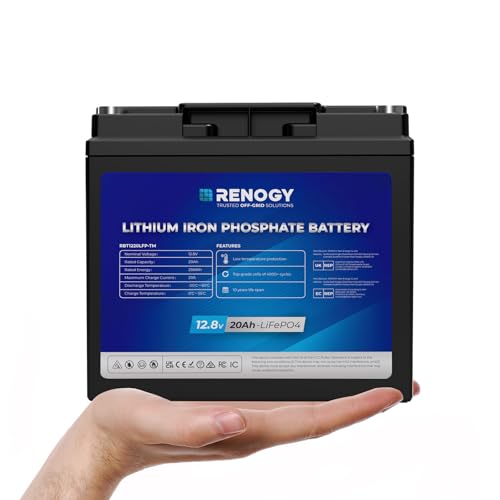
- Renogy 12V 20Ah LiFePO4 Battery
- Litime 12V 100Ah LiFePO4 Battery
- Newport Vessels 12V 50Ah Deep Cycle (AGM, lightweight)
- BUKNUWO 12.8V 100Ah LiFePO4 Battery
- GuaiGLong 12V 100Ah LiFePO4 Battery
Product Snapshot Table
| Product | Estimated Capacity | Key Benefit | Best For |
|---|---|---|---|
| Renogy 12V 20Ah LiFePO4 Battery | 20 Ah | Lightweight, built-in BMS, IP65 | Shorter trips; compact kayak setups |
| Litime 12V 100Ah LiFePO4 Battery | 100 Ah | Bluetooth monitoring; wide protection | Longer outings; tech-friendly kit |
| Newport Vessels 12V 50Ah AGM | 50 Ah | Lightweight, sealed, trolling-motor ready | Balanced weight and power |
| BUKNUWO 12.8V 100Ah LiFePO4 | 100 Ah (12.8V) | High cycle life; expandable series/parallel | Home/portable power with marine use |
| GuaiGLong 12V 100Ah LiFePO4 | 100 Ah | Multiple ports; robust build | versatile charging on the water |
Renogy 12V 20Ah Trolling Motor Battery
Best for: kayaks with compact power needs or light fishing setups where weight is a primary concern. This 20Ah LiFePO4 unit is a drop-in replacement for lead-acid options and weighs roughly half as much, reducing boat load and improving trim. Its built-in BMS with low-temperature cut-off adds safety in chilly mornings on the water.
Why selected: The integrated protection and lighter weight make it a straightforward upgrade for small kayaks or emergency kits. It provides longer runtime than many lead-acid equivalents for essential electronics. Consider this when you value portability over total capacity.
Limitations: With 20Ah, it may require more frequent recharges on longer trips or heavier power draws like fish finders or lights. Ensure your trolling motor and electronics align with the battery’s capacity.
Litime 12V 100Ah LiFePO4 Battery

Best for: anglers and paddlers planning longer trips or off-grid needs who want remote monitoring. Bluetooth connectivity lets you check status and run checks from a phone, while a 100Ah capacity supports trolling motors, fish finders, and lighting for extended periods.
Why selected: Smart monitoring and 20+ safety protections support reliable power management in remote environments. Low-temp protection helps prevent charging or discharging damage in cold starts. This is a good fit for users who appreciate tech-enabled power management and high capacity.
Limitations: Heavier than smaller packs and higher upfront cost, though efficiency can justify the price for longer trips or multi-day excursions.
Newport Vessels 12V50Ah Deep Cycle AGM Battery

Best for: kayaks requiring a balance of weight and power, where AGM reliability matters. This sealed, lightweight 50Ah deep-cycle unit provides solid endurance for trolling motors and onboard electronics without the maintenance of flooded lead-acid batteries.
Why selected: The combination of AGM design and 50Ah capacity offers practical performance for average-length trips. It minimizes maintenance and reduces leakage risk compared to traditional lead-acid options.
Limitations: AGM batteries still weigh more than some LiFePO4 options of similar capacity, and this choice lacks the ultra-long cycle life of lithium chemistries.
BUKNUWO 12.8V 100Ah LiFePO4 Battery

Best for: kayaks or small vessels that need a high-energy, compact power source with expandability. The 12.8V configuration simplifies wiring for systems designed around a 12V-DC layout while offering an impressive cycle life.
Why selected: The 100Ah capacity paired with a robust 100A BMS and expandable series/parallel capabilities makes it a versatile option for modular, scalable power systems on the water.
Limitations: Slightly higher voltage (12.8V) needs system compatibility checks with devices designed strictly for 12V batteries.
GuaiGLong 12V 100Ah LiFePO4 Battery

Best for: kayak anglers seeking multiple charging options and a durable, high-capacity lithium pack. This unit’s multiple ports support diverse charging and device needs on the water.
Why selected: The battery includes a USB charging port and several connection options, making it flexible for powering fish finders, phones, GPS, and other gear without adding extra adapters.
Limitations: The breadth of ports can lead to more complex cabling in compact kayak setups; plan your layout to avoid clutter on deck.
Buying Guide: Key Considerations for Kayak Lithium Batteries
- Capacity vs. weight: Choose a balance that fits the kayak length, motor thrust, and planned trip duration. Higher Ah means more power but added weight.
- Chemistry and lifecycle: LiFePO4 generally offers longer life and steadier performance than lead-acid. Check cycle counts and operating temperature ranges.
- Protection and safety: Look for BMS protection, low-temp cut-off, and IP ratings for water and dust resistance. Safety matters on open water.
- Portability and form factor: Ensure the battery size and weight integrate with your kayak storage layout, seat height, and mounting options.
- Monitoring and connectivity: Bluetooth or app access can help you track charge status and health during trips.
- Wiring and accessibility: Plan for simple external connections if you’re using a battery box or power center. Avoid messy, exposed wiring on deck.
- System compatibility: Check that the battery voltage matches your trolling motor and electronics. Some devices require exact 12V or 12.8V configurations.
FAQ
- Q: Do I need a battery management system (BMS) for kayak lithium batteries?
A: Yes. A BMS protects against overcharge, over-discharge, and temperature issues, extending battery life and safety on the water. - Q: Which capacity is best for a typical kayak with a trolling motor?
A: For day trips, 50-100Ah is common, depending on motor thrust and electronics. Smaller kayaks may suffice with 20-50Ah if trips are short. - Q: Is LiFePO4 safer than lead-acid for kayak use?
A: Generally yes. LiFePO4 is lighter, has longer life, slower self-discharge, and more stable chemistry, which is advantageous on the water. - Q: Can I mix different battery brands in one kayak setup?
A: It is not recommended. Different chemistries, voltages, and aging can lead to uneven discharge and safety risks. Use matched packs where possible. - Q: How do I extend battery life on kayaking trips?
A: Keep batteries within specified temperature ranges, avoid deep discharges, and use a smart charger or BMS-managed charging routine. - Q: Should I choose 12V or 12.8V packs?
A: Most trolling motors are designed for 12V; 12.8V variants can be compatible but verify your motor and electronics support the higher nominal voltage.