Choosing the right jon boat bottom coating improves glide, reduces drag, and protects the hull in sandy, grassy, muddy, and open-water conditions. The top picks below are best for casual beach launches, rivers, and lakes. This guide compares epoxy bottoms, barrier coats, and antifouling paints so you can pick the right solution for your boat and typical waters. The table at the end of the introduction highlights five strong options and who they suit.
| Product | Best For | Key Benefit |
|---|---|---|
| Fasco Epoxies Super Slick 2000 (Gallon) | Airboats, jon boats, aluminum hulls | Very slippery, reduces drag |
| Fasco Epoxies Super Slick 2000 (Quart) | Smaller boats, frequent launches | Same performance in a smaller kit |
| Travaco RM330K Gluvit | Fiberglass, wood, steel hulls | Waterproof sealant/barrier coat |
| TotalBoat Underdog Antifouling | Fiberglass, wood, steel boats | Single-season antifouling protection |
| Rust-Oleum Marine Flat Antifouling | Fiberglass, wood, steel | Slow copper release against fouling |
Fasco Epoxies Super Slick 2000 Epoxy Bottom Coating – Gallon Kit

Best for large jon boats and aluminum-hull craft that require long-lasting, low-drag protection. This premium two-part epoxy is formulated with PTFE and friction-reducing additives to deliver an exceptionally slick finish across grass, mud, sand, and water. The reinforced epoxy system enhances abrasion resistance, helping bottom protection endure abrasive surfaces and repeated use. Ideal for boater-heavy environments where a durable, glide-friendly surface matters most. Choose this if you own a larger craft that spends time in shallow, marshy, or weed-choked waters.
Best for: Jon boats, airboats, aluminum hulls, and PWCs that see varied conditions.
Caution: Proper surface preparation and mixing are essential for maximum adhesion; follow the kit’s instructions to avoid premature failure.
Fasco Epoxies Super Slick 2000 Epoxy Bottom Coating – Quart Kit

The quart-sized option mirrors the gallon’s performance in a smaller package, making it suitable for smaller jon boats, Jet Skis, or owners who prefer test patches before full application. The formula’s friction-reducing PTFE and durability features help sustain a slick surface across repeated launches and diverse substrates, including fiberglass and aluminum. Best for: boaters with compact hulls or those who want to apply patch-by-patch protection.
Caution: Calculate your total area carefully to ensure you have enough coating; epoxy systems require precise mixing ratios for cure stability.
Travaco RM330K Marine-Tex Gluvit Waterproof Epoxy Sealer
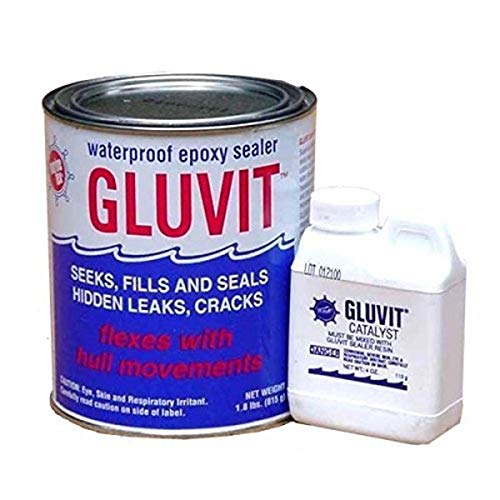
Gluvit barrier coats are designed to seal and protect hulls and decks made of fiberglass, wood, aluminum, and steel. It seals leaky seams and rivets and provides a robust waterproof layer, making it a solid baseline for protection before or after other coatings. Best for: structural sealing on older or leaky hulls where a waterproof barrier is needed before finishing coats.
Caution: This barrier coat does not provide the same antifouling properties as dedicated bottom paints; plan for additional coatings if fouling resistance is required over a season.
TotalBoat Underdog Antifouling Bottom Paint
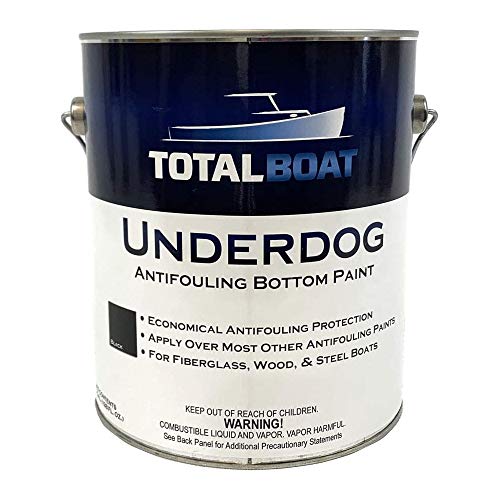
Antifouling paint designed to protect fiberglass, wood, and steel hulls by releasing copper biocide as water moves under the boat. It offers economical protection for a single season and is well-suited for boats used frequently in saltwater or freshwater. Best for: boats that see regular use and need a simple bottom-protection layer.
Limitation: Best applied to properly prepped surfaces; reapplication timing can influence fouling resistance and wear.
Rust-Oleum 396967 Marine Flat Bottom Paint

Designed for fiberglass, wood, or steel surfaces, this antifouling paint slowly releases copper to prevent fouling while offering a straightforward, user-friendly application. It can be recoated after a short dry time and covers a practical area per quart. Best for: budget-conscious boaters seeking reliable, year-to-year fouling protection in varied waters.
Caution: Performance depends on surface prep and immersion time; ensure compatibility with your water conditions and ensure environmental compliance where required.
Buying Guide: Key Purchase Considerations
- Coating type: Choose epoxy-based slick coatings for reduced drag on larger jon boats; barrier coats protect weak hulls before finishing coats; antifouling paints curb biofouling across seasons.
- Hull material: Aluminum, fiberglass, wood, and steel each react differently to coatings. Verify compatibility with your hull type and prep process.
- Environment and use: Boaters frequenting weed-choked or marshy waters benefit from slick or antifouling formulations, while barrier coats help seal leaks or seams in older boats.
- Application area: Large surfaces may justify gallon sizes; smaller craft can rely on quart kits to cover essential zones or practice coverage before full rollout.
- Dry and cure times: Some products require specific curing temperatures and humidity levels; plan installations during favorable weather windows to avoid recoats.
- Environmental and safety: Look for low-VOC options if marinas or dockyards impose restrictions; follow proper protective gear guidance during application.
FAQ
- What coating is best for a jon boat used in weeds?
– An epoxy bottom coating with friction-reducing properties (like the Fasco Super Slick 2000) helps reduce drag in weedier conditions, while antifouling paints add seasonal fouling protection. - Should I choose a gallon or a quart kit?
– Choose a gallon kit for larger hulls or full-boat applications; a quart kit fits smaller boats or patch jobs and lets you test before committing. - Is a barrier coat enough for leaks?
– Barrier coats like Gluvit seal and protect but may require additional top coatings for antifouling or drag reduction depending on your water exposure and usage.