Finding the right jack plate for an outboard motor changes handling, planing, and overall performance. This guide compares five popular options, highlighting who they’re best for and where to use them. Whether you’re a weekend angler, a beginner boater, or a seasoned pro, the right jack plate can improve lift, adjust engine height, and help you handle shallow water or long shaft transoms more effectively. The top picks below emphasize different use cases, from budget-friendly adjustable units to heavier-duty setups.
| Product | Best For | Setback / Height Options | Notes |
|---|---|---|---|
| Camoo MJ-1-DP Jack Plate | Small boats with up to 35 HP engines | 4″ setback | Wooden mounting block included |
| Bob’s Machine 100-106010 Action Series | Heavy-duty lifting for mid-range outboards | 6″ lift | High power capacity |
| ONTHEFLY Adjustable Manual | Boats needing on-the-water adjustments | Up to 30 HP support | Fast manual adjustment |
| VEPURLT Aluminum Adjustable 4″ Plate | Versatile, mid-size engines | 4″ vertical + 4″ setback | Bronze/brass hardware; easy turn |
| WFLNHB JPL4500 6″ Setback | Mid to high horsepower setups | 6″ setback | High-strength aircraft-grade aluminum |
Camoo MJ-1-DP Jack Plate 4″ Setback

The Camoo MJ-1-DP is a cast aluminum offset jack plate designed for clamp-on mounted outboard motors up to 35 HP. It is suitable for small skiffs, aluminum boats, and inflatables, and includes a wooden mounting block for a precise fit. This option extends 4 inches off the transom, enabling a higher engine mounting position for better lift on short shaft configurations. Best for budget-conscious boaters with small engines and short transoms.
Best for: Small boats with limited transom height and motors up to 35 HP.
Caution: Wooden mounting block is included; ensure compatibility with your transom and verify fit before drilling.
Bob’s Machine 100-106010 Action Series Jack Plate
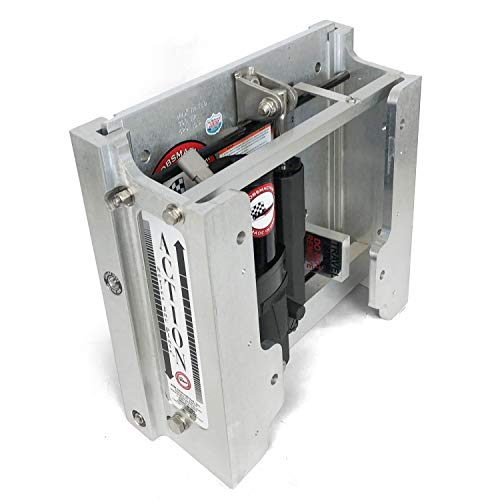
The Bob’s Machine Action Series jack plate presents a robust, high-lift option with a 7.5″ rise capability and a six-second lift profile. The one-piece design includes an internally mounted pump, wiring harness, control switch, and adjustable tension rods for dependable performance under load. This setup is best for boats needing substantial engine height gains and quick adjustments, especially where higher horsepower engines are used.
Best for: Heavier outboards and boats requiring significant vertical lift with quick operation.
Caution: Heavier weight and larger footprint may require more transom preparation and mounting space.
ONTHEFLY Adjustable Manual Plate

The ONTHEFLY jack plate emphasizes on-the-water adjustability and quick manual changes to engine height. It supports up to 30 HP motors and is designed for a wide range of boats. This is a practical choice for boaters who frequently adjust engine position to optimize planing or handling in varying water conditions. It provides fast height changes and straightforward installation.
Best for: Boaters who need fast, on-the-water height adjustments for small to mid-range engines.
Caution: Not intended for high-horsepower applications; check compatibility with existing transom mounting hardware.
VEPURLT 4″ Adjustable Aluminum Jack Plate

The VEPURLT jack plate features 4 inches of vertical movement combined with 4 inches of setback for flexible engine height and stern trim adjustments. It’s constructed from aluminum with bronze and brass hardware designed to reduce binding, and it offers a precise adjustment via a single steel bolt. It’s well-suited for mid-range engines requiring reliable, moderate height and setback changes.
Best for: Boats needing balanced height and setback with straightforward adjustments.
Caution: Ensure the mounting holes align with your transom pattern; verify hardware compatibility before installation.
WFLNHB JPL4500 6″ Setback Jack Plate

The WFLNHB JPL4500 offers a six-inch setback and six-inch vertical movement, crafted from high-strength aircraft-grade aluminum. It’s designed for 40- to 225-horsepower engines and provides a robust balance of height and setback adjustments, which helps with deep-water performance and planing efficiency. This option is preferable for boaters with mid-to-high horsepower setups seeking reliable, moderate-to-large adjustments.
Best for: Medium to high horsepower applications needing substantial height and setback flexibility.
Caution: Heavier and more substantial installation; ensure transom and mounting hardware can handle the load.
Buying Guide
Key considerations when choosing a jack plate:
- Engine horsepower and shaft length compatibility: Ensure the plate supports your engine’s power and shaft type (short, long, or gapped configurations).
- Setback and vertical travel: Decide how much setback you need for steering control, waterline alignment, and planing efficiency. More setback helps with stability, but may affect mounting clearance.
- Material and construction: Aluminum is common for lightweight, corrosion resistance; heavier-duty plates may use reinforced alloys for high-hp applications.
- On-the-water adjustability: If you frequently adjust height at sea, prioritize models with quick-release or manual adjustment suitable for on-water use.
- Installation and mounting hardware: Check included mounting blocks, bolts, and any required transom modifications. Wood blocks may be provided in some models but verify compatibility with your boat.
Frequently Asked Questions
- What is the difference between 4″ and 6″ setback? The setback distance shifts the engine away from the transom, affecting steering leverage, lift, and water flow; larger setbacks can improve stability but may increase steering effort.
- Do I need a jack plate for a short shaft motor on a long transom? Yes, a jack plate can raise the engine to optimize propeller bite and reduce drag, improving planing performance and handling.
- Can I install a jack plate myself? Many models are designed for DIY installation, but verify weight, mounting hole patterns, and transom compatibility. Professional installation is recommended for high-horsepower setups.
- Will a jack plate affect fuel efficiency? By improving lift and reducing hull drag at planing speeds, a properly tuned jack plate can improve efficiency, but it depends on engine size, hull design, and load.
- What maintenance is required? Regularly inspect mounting bolts, corrosion protection, and hardware; lubricate moving parts as specified by the manufacturer and check for any signs of binding or wear.
- Which model is best for shallow water fishing? Models with moderate setback and reliable vertical travel that maintain trim control are ideal, such as the WFLNHB JPL4500 or VEPURLT options, depending on engine size.