Below is a concise guide to the best hard bottom paint options for boats. This article highlights five top choices that balance protection, ease of use, and environmental considerations. It’s ideal for boaters who want durable single-season protection, easier launch and haul cleanup, and reliable performance in varied water conditions. The featured products are suitable for fiberglass, wood, steel, and aluminum hulls, with notes on best-use scenarios for sailboats, powerboats, and work boats.
| Product | Best For | Key Benefit |
|---|---|---|
| TotalBoat Underdog | Sailors and frequent boaters | Economical single-season protection |
| TotalBoat JD Select Ablative (Gallon) | All-around in salt and fresh water | Self-polishing, minimizes buildup |
| TotalBoat Krypton Copper Free | Aluminum and outdrives | Copper-free, bright colors |
| TotalBoat Alumipaint AF | Pontoons and aluminum hulls | Copper-free, aluminum-friendly |
| Rust-Oleum Marine | Fiberglass, wood, steel on a budget | Copper-release, simple recoat cycle |
TotalBoat Underdog Marine Antifouling Bottom Paint
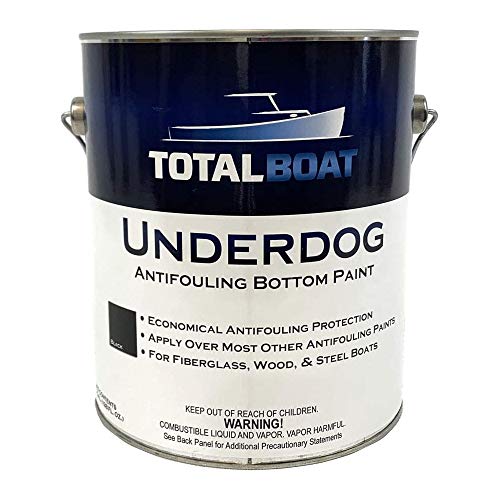
The Underdog option provides economical, single-season antifouling protection. It uses a copper biocide to prevent barnacles and mussels from clinging to hulls, making it a solid pick for boats used regularly in saltwater. The coating is designed to release fresh biocide as water flows beneath the hull, helping maintain a clean bottom with less buildup over the season. It is suitable for properly prepared fiberglass, wood, steel, and iron bottoms. Best for boats that are trailered or beached, as the durable finish resists wear between seasons.
Best for: Sailboats and powerboats that are active in saltwater and require a straightforward, economical antifouling option. Avoid if you need a copper-free, aluminum-friendly solution for outdrives or trim tabs.
Caution: As an ablative paint, the coating wears away during use, so reapplication is typically necessary each season. Ensure proper surface prep for optimal adhesion.
TotalBoat JD Select Ablative Antifouling (Gallon)

This JD Select Ablative coating uses a self-polishing film that wears away as the boat moves, exposing fresh biocide and reducing bottom paint buildup. It supports fiberglass, wood, and steel hulls in both salt and freshwater. The product is a low-odor, low-VOC, easy-cleanup water-based paint, making it favorable for marinas with environmental restrictions. It can be burnished for a smoother finish to improve speed and fuel efficiency. No maximum dry time is required before launch.
Best for: Boaters who want a self-polishing, low-toxicity antifouling option with easy cleanup and marina-friendly use. Choose this if you value minimal sanding next season and a smoother launch profile.
Caution: Like other ablatives, performance depends on water movement; it wears away with use, so reapplication timing can vary by activity level and water conditions.
TotalBoat JD Select Ablative (Quart)

This is the same JD Select Ablative concept offered in a smaller quart size, suitable for smaller boats or patching. It provides a full-season antifouling shield for boats in salt or freshwater and supports multiple hull materials. The low-odor, low-VOC formula aligns with marina environmental guidelines and is easy to clean up with soap and water. It’s compatible with non-metallic hulls and can be burnished for enhanced speed and fuel efficiency.
Best for: Small to mid-size boats where a single-season ablative coating is needed without committing to a full gallon. Consider this if you want flexibility in coating area or to test performance before a larger purchase.
Caution: As with other ablatives, ongoing movement and water type influence how quickly the coating wears away.
TotalBoat Krypton Copper Free Antifouling Bottom Paint

The Krypton Copper Free formulation offers high-performance, single-season antifouling protection without copper biocide. It works across freshwater, saltwater, and brackish environments on fiberglass, wood, steel, iron, and aluminum hulls, making it versatile for mixed fleets. Copper-free means colors stay brighter on aluminum and other alloys, reducing galvanic concerns with other metals. The coating is intended for below-the-waterline use and stays effective through haul-and-launch cycles without losing biocide potency.
Best for: Boat owners seeking a copper-free alternative that preserves color brightness and reduces galvanic concerns on aluminum and other metals. Choose this if you want strong seasonal protection without copper-related issues.
Caution: Colors are copper-free; while bright, some colors may appear different under certain lighting and water conditions compared to copper-containing paints.
TotalBoat Alumipaint AF (Copper-Free for Aluminum)

This copper-free antifouling paint is specifically formulated for aluminum hulls and pontoons. It provides single-season protection and uses an ablative mechanism to expose fresh biocide as the boat moves. This makes it a practical option for aluminum boats where copper-based paints are less desirable due to galvanic concerns or color brightness issues. The coating is designed for below-waterline use and should be paired with proper surface preparation for best results.
Best for: Pontoons and aluminum boats where copper-based paints are undesired or problematic. Choose this if you need an aluminum-friendly antifouling solution that wears away to reveal fresh biocide over the season.
Caution: Ablative wear means reapplication is typical each season; ensure surface prep and recoat timing match your boating schedule.
Rust-Oleum 396967 Marine Flat Boat Bottom Antifouling Paint

This Rust-Oleum option is a budget-friendly copper-release antifouling paint suitable for fiberglass, wood, and steel surfaces. It slowly releases copper to prevent fouling below the waterline and generally allows recoat within a few hours with potential launch readiness within about a day, depending on conditions. It covers up to 110 square feet, making it a practical pick for smaller to mid-size hulls.
Best for: Boaters seeking an economical, straightforward antifouling solution for multiple hull materials. Choose this if you want a simple, recoat-ready option with predictable coverage.
Caution: This is a copper-release formulation; it may require more frequent maintenance in heavily fouled waters and could impact color consistency in some lighting conditions.
Buying Guide: Key Considerations For Hard Bottom Antifouling Paint
- Material compatibility: Confirm the hull material (fiberglass, wood, steel, aluminum) and ensure the paint is labeled for it. Copper-free formulas are often favored for aluminum and outdrives.
- Water type: Decide between saltwater, freshwater, or brackish use. Ablative coatings are common for both, but performance and maintenance intervals vary with water salinity.
- Season length: If you need single-season protection, look for ablative or non-ablative options with a defined protection window.
- Environmental impact: Low-VOC and water-based formulas are preferable in marinas with restrictions. Consider cleanup and odor when selecting a product.
- Reapplication plan: Ablative paints wear away with use; plan for annual or seasonal recoating. Non-ablatives may offer longer intervals between applications.
- Color and brightness: Copper-free paints often have brighter or more consistent color on aluminum and other alloys; copper-based options may differ in appearance over time.
- Ease of maintenance: Consider how easy the paint is to cleanup, burnish for smoothness, and sand between seasons if needed.
FAQ: Quick Answers For Boat Antifouling Paints
- What is the difference between ablative and non-ablative antifouling paints?
– Ablative paints wear away gradually, exposing fresh biocide; non-ablative paints stay largely intact and may require scraping or sanding less frequently. - Is copper-free antifouling paint safer for aluminum hulls?
– Yes, copper-free formulations reduce galvanic concerns with aluminum and are often preferred for aluminum boats. - Can I use antifouling paint in marinas with environmental restrictions?
– Look for low-VOC or water-based options labeled for marina use and follow all local regulations. - How soon can I launch after applying antifouling paint?
– Many products specify a no-wait or short-dry time; always follow the manufacturer’s launch guidelines on the label. - Is color important in antifouling paint?
– Color helps visibility and inspection, but performance hinges on the biocide and film technology rather than color alone. - Do I need to sand between seasons?
– Some coatings require light sanding for reapplication; check the product’s guidelines and prep requirements.