Whether you’re a casual paddler, an avid angler, or a thrill‑seeker on a SUP, an electric paddle boat motor can extend your time on the water with steadier propulsion and hands‑free cruising. This guide highlights five top options that fit a range of boats, boards, and budgets. Each pick is evaluated for ease of use, power, and practicality for different terrains and activities. The top buyers are: SUP enthusiasts seeking extra speed, anglers needing quiet propulsion, and casual paddlers who want reliable, lightweight performance.
Quick comparison at a glance:
| Product | Best For | Key Benefit |
|---|---|---|
| CuttleJet Mini V2 | Stand‑up paddleboarders | Up to 4 mph, compact wireless control |
| Minn Kota Endura C2 | Freshwater boaters | Reliable transom mount with easy tilt |
| Paradise Pad Electric Paddle Board Fin | Budget paddlers | Long battery life, four speeds |
| Kedean 360W 30AH | Kayak/SUP enthusiasts | Jet propulsion with directional control |
| Newport NT300 Electric Outboard | Serious boaters | Long range, high thrust, digital throttle |
CuttleJet Mini V2 Stand Up Paddle Board Motor

The CuttleJet Mini V2 attaches to SUP fins and offers up to 4 mph propulsion. It’s designed for paddlers needing extra push when paddling upstream, windsurfing upwind, or simply seeking more time on the water. Battery options range from around 11 volts for lighter speeds to around 15 volts for higher thrust. The 10L waterproof battery bag is large enough for spare cells and clips securely to gear. Includes a wireless remote wristband for hands‑free motor control. This is best for SUP riders who want a discreet, easy‑to‑install propulsion aid and extended session lengths.
Best for: solo or small‑crew SUP adventures where compact, portable power matters. Limitation: overall performance depends on battery weight and water conditions; ensure the battery bag is securely mounted to avoid loosening during use.
Minn Kota Endura C2 Transom‑Mount Electric Trolling Motor

The Endura C2 is a classic transom‑mount electric trolling motor with a 30‑pound thrust and a 30‑inch shaft. It features a 10‑position lever lock for precise angle adjustments and a 6‑inch telescoping tiller for comfortable control on long trips. Its reinforced composite construction helps resist UV damage and wear in marine environments. It includes standard hardware for installation, and a push‑to‑test battery meter helps monitor power. Best for: freshwater boats where a reliable, durable, easy‑to‑deploy motor is needed. Limitation: not designed for saltwater use without appropriate corrosion protection and maintenance.
Electric Engine Trolling Motor For SUP And Kayak

This model presents a 360W DC24V motor option without a battery, letting you connect your own 24V power source. It emphasizes aerodynamic and hydrodynamic design to reduce drag and maximize thrust, potentially delivering longer battery life with a lighter pack. It’s suitable for SUPs and kayaks that can mount similar propeller systems. Best for: paddlers who want a jet‑style propulsion feel and the flexibility to choose their own battery. Caution: ensure compatibility with your board’s fin box and power system before purchase.
Directional Kayak Belly Boat Electric Fin

This 360W DC24V motor with a directional steering function provides precise control, especially in currents or variable water. It’s designed to deliver more thrust than standard propeller motors and claims efficient energy use with compatible batteries. Best for: watercraft needing quick course corrections and stable steering in choppy conditions. Limitation: precise mounting compatibility and power source must be confirmed for your specific board or boat.
360W 30AH Battery Kayak SUP Trolling Motor
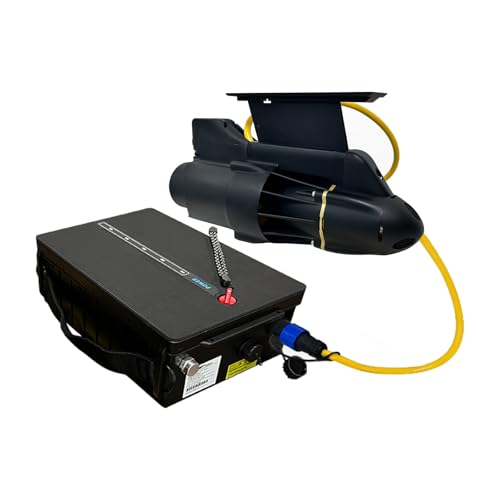
This setup combines a 360W DC24V motor with a 30Ah battery, offering compact weight and a built‑in brushless motor system. It features a directional function and a high‑efficiency design intended to maximize battery life while delivering consistent thrust. Best for: paddlers seeking a balance of performance and battery capacity on longer excursions. Limitation: verify battery compatibility and ensure safe watercraft mounting to support the unit’s added weight.
Buying Guide: Key Purchase Considerations
- Power and propulsion: Match motor wattage and thrust to your boat or board weight, typical water conditions, and desired speed. Higher thrust is useful for upstream currents and heavier craft.
- Mounting compatibility: Check fin box types, transom size, and mounting hardware to ensure the motor fits your SUP, kayak, or small boat without modification.
- Battery requirements: Assess voltage, capacity (Ah), and weight. Larger batteries extend run time but add weight and size; consider water‑resistant bags for onboard storage.
- Control interface: Wireless remotes or tethered controls influence ease of use. Wrist remotes offer convenience, but ensure secure operation on the water.
- Durability and build: Look for corrosion‑resistant housings, UV protection, and robust propellers designed for marine environments.
- Maintenance: Consider motors with straightforward cleaning and accessible parts, particularly for saltwater use.
- Intended use: Distinguish between SUP speeding, fishing, or casual cruising. Some models emphasize jet propulsion, others focus on quiet trolling or precise steering.
Frequently Asked Questions
- What is the typical top speed of these electric paddle motors?
– Speeds vary by model and battery; options listed can reach roughly 2–4 mph for SUPs and similar platforms, with some higher‑thrust units approaching 6 mph in targeted setups. - Do these motors come with batteries?
– Some models include a battery bag or battery pack; others are motor‑only and require you to supply a compatible battery. - Are these suitable for saltwater use?
– Many are designed for freshwater use; check corrosion protection and marine environments compatibility before use in saltwater.。 - Can I install this on any paddleboard?
– Installability depends on fin box compatibility and mounting hardware. Read product specifications for fin box type and required adapters. - What maintenance is required?
– Regularly inspect connections, clean propellers, guard against salt buildup, and store batteries in dry conditions. - How long will the battery last on a single charge?
– Run time depends on motor power, battery capacity, load, and water conditions; higher speeds drain the battery faster.