For boaters needing extra range or emergency fuel during long trips, a diesel and gasoline fuel bladder provides a compact, portable solution. This guide highlights five reliable options, who they’re best for, and why they stand out. Ideal buyers include anglers on extended expeditions, yachters planning offshore cruises, and anyone seeking safe, flexible fuel storage on deck or in storage compartments.
| Product | |||
|---|---|---|---|
| MUKETA 60 Gallons Marine Fuel Bladder | 60 Gallons | Extended day trips, compact spaces | High-tenacity 2000D TPU, strong and anti-static |
| MUKETA 150 Gallons Marine Fuel Bladder | 150 Gallons | Long-range cruising, larger vessels | Same durable construction for big fuel needs |
| Luoweikadeng 30 Gallons | 30 Gallons | Smaller boats, quick refuel setups | Multiple sizes; anti-static; versatile shape |
| ATL Petro-Flex 100 Gallons | 100 Gallons | Rugged, portable range extension | Mil-Spec rubberized bladder; clear dimensions |
| ATL FueLocker 50 Gallons | 50 Gallons | Compact, organized storage | Includes tote, tie-downs, and valve option |
MUKETA 60 Gallon Marine Fuel Bladder
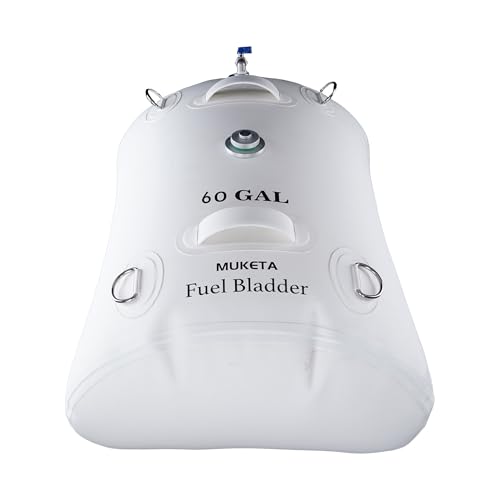
Overview: A compact, high-strength auxiliary bladder designed for extended trips on smaller boats. Best for anglers or day cruisers needing extra fuel without bulk. The bladder uses 2000D TPU for tensile strength, puncture resistance, and anti-static properties. It supports both gasoline and diesel and refuels via standard nozzles to extend voyage duration.
- Best for: Small to mid-sized vessels needing reliable extra fuel on extended outings.
- Why selected: Balances durability with a smaller footprint, enabling flexible mounting and simple handling.
- Limitations: 60 gallons may still require space optimization on very compact decks.
MUKETA 150 Gallons Marine Fuel Bladder
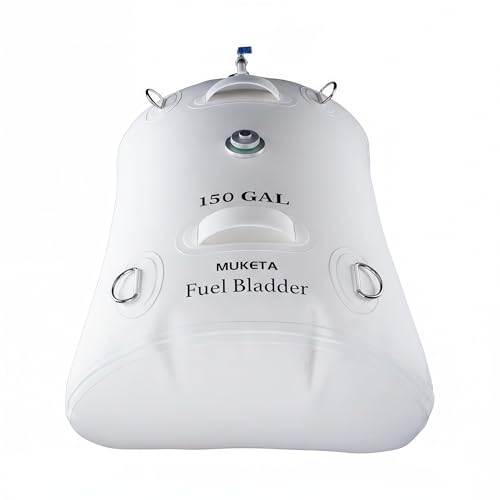
Overview: A larger capacity bladder suited for boats that require extended range or need to stock premium fuel ahead of long crossings. Built with the same 2000D TPU construction for durability and anti-static safety. Compatible with gasoline and diesel and designed for quick, nozzle-based refueling.
- Best for: Boats with space for a larger bladder seeking extended range.
- Why selected: Scales up fuel supply while preserving the same safety and material benefits as smaller models.
- Limitations: Larger size may require more deck or storage space and careful securing.
Luoweikadeng 30 Gallons Fuel Bladder

Overview: A range-extension solution appropriate for mid-sized boats or as a spare tank. The bladder uses composite flexible technology, offering anti-static safety and resistance to tears, punctures, and abrasion. Available in several sizes to fit various deck layouts and storage compartments.
- Best for: Boats needing a flexible, mid-sized fuel solution that fits tight spaces.
- Why selected: Consistency in materials and safety features across sizes; adaptable to different deck plans.
- Limitations: 30 gallons may not satisfy higher fuel requirements for longer voyages.
ATL Petro-Flex 100 Gallons

Overview: A rugged, pillow-style fuel bladder designed for long-range needs. The 100-gallon capacity is ideal for large vessels or yachts requiring substantial on-deck storage. The Petro-Flex line emphasizes mil-spec construction and dependable fill ratios.
- Best for: Larger boats or offshore trips where robust, high-capacity storage is key.
- Why selected: High capacity paired with durable construction offers dependable range extension.
- Limitations: Pillow-style bladders can take more deck space; plan secure stowage accordingly.
ATL FueLocker 50 Gallons

Overview: A compact, portable fuel bladder with included tote and tie-downs. The 50-gallon option is convenient for smaller boats or as a supplementary storage solution for unexpected fuel needs. Features include a 2″ fill/stand pipe with safety valve and a 1/2″ ball valve for controlled dispensing.
- Best for: Smaller craft or as a secondary bladder to provide flexible fuel options.
- Why selected: Easy to transport and secure, with practical hardware for safe dispensing.
- Limitations: Lower capacity may require more frequent refueling on long trips.
Buying Guide: Key Considerations For Marine Fuel Bladders
Capacity and space: Match bladder size to vessel size, deck layout, and typical voyage duration. Larger boats benefit from higher capacities, while compact boats prioritize space efficiency.
Material and safety: Look for durable, anti-static TPU or rubberized fabrics with puncture and abrasion resistance. Anti-static properties help reduce ignition risk in fuel handling scenarios.
Compatibility: Confirm the bladder supports gasoline and diesel, if you alternate fuels. Check for compatibility with standard fuel nozzles for quick topping off.
Drain and vent features: Bladders with built-in fill pipes, vents, and controlled valves provide safer and cleaner dispensing. Consider models with spill-prevention designs.
Storage and mounting: Assess space for stowage and the need for tie-downs, handles, or molded compartments. Some options include tote bags or mounting accessories for secure transport.
Portability vs. permanence: Smaller bladders excel for day trips, while larger bladders suit extended cruising. Determine whether you prefer removable units or permanent placements on deck.
Frequently Asked Questions
- What capacity should I choose for extended marine trips?
Choose a bladder that provides enough range for your typical voyage plus a buffer for unforeseen detours. For longer trips, 100–150 gallons may be practical on mid-to-large vessels.
- Are these bladders safe for diesel and gasoline?
Yes. Most bladders in this guide are designed for both gasoline and diesel, with anti-static properties to improve safety during storage and dispensing.
- Do bladders require special mounting?
Some are portable and bag-style, while others are designed to fit specific deck spaces. Plan secure tie-downs or integrated storage when choosing a model.
- Can I refuel from standard fuel nozzles?
Most models support standard nozzles, enabling convenient refueling at marinas or remote sites.
- What is the difference between pillow-style and bladder-style designs?
Pillow-style bladders often offer higher capacity with a flatter profile, while bladder-style designs can be more flexible to fit tight spaces on smaller boats.
- Are there any maintenance considerations?
Rinse with clean water after use in saltwater environments, inspect seals for wear, and store away from direct sunlight to extend lifespan.