Facing carbon monoxide (CO) risk on boats requires reliable, battery-powered detectors that work even when you’re unplugged from shore power. This guide highlights five top options for marine use, explaining who each device is best for and why it matters for boaters, anglers, and casual cruisers. The selections balance true marine readiness, portability, and easy maintenance to help you choose with confidence.
| Product | Brand | Best For | Why It Fits On A Boat |
|---|---|---|---|
| MTI 62-541-MARINE-WT | Safe T Alert | Small power boats, day cruisers | Marine-rated design; simple wall-mount appearance |
| MTI 62-542-R-MARINE-WH | Safe T Alert | Compact cabins | White marine alarm; lightweight and compact |
| First Alert CO710 | First Alert | Family cabins and cabins with irregular layouts | 10-year battery; digital display |
| First Alert CO400 | First Alert | Easy-to-use, battery-powered portability | Compact aCO detector with loud alarm |
| Kidde COB / COBD | Kidde | Travel-ready boats and shore excursions | AA battery powered; portable and travel-friendly |
Kidde Carbon Monoxide Detector, AA Battery Powered, Portable for Travel or Home
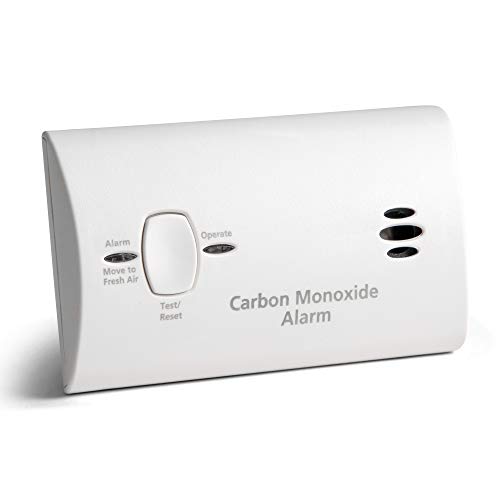
Best for: Boaters who want a simple, portable CO detector that works during power outages. This unit runs on 2 AA batteries and can be wall-mounted or set on a shelf. It’s ideal as a secondary detector in a small cabin or as a portable safety companion for overnight trips. The electrochemical sensor detects CO gas, and an 85 dB alarm plus LED indicators signal danger. A potential limitation is that non-marine housings may require careful placement to avoid false readings from engine exhaust in tight spaces.
MTI Industries 62-541-MARINE-WT Marine CO Alarm White

Best for: Small to mid-sized boats needing a dedicated marine CO alarm. This MTI Marine CO Alarm is designed for marine environments with a straightforward installation. It provides basic CO monitoring with a marine-appropriate alert setup. Best for budget-conscious boaters who want a dedicated CO device in a cabin or galley. Limitation: features and display are basic, so it’s most effective as part of a broader safety plan with multiple alarms.
MTI Industries 62-542-R-MARINE-WH Marine CO Alarm White
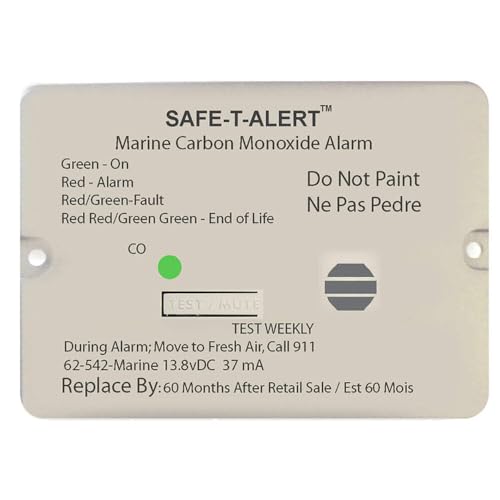
Best for: Boats with compact cabin layouts where a low-profile CO alarm is preferred. This white model from MTI Marine is designed to fit discreet spaces while delivering CO detection. It’s a practical choice for sailors who want an unobtrusive, dependable detector. Limitation: like many battery-powered marine units, you’ll want to verify battery life and plan for replacements during extended trips.
First Alert CO710 Carbon Monoxide Detector
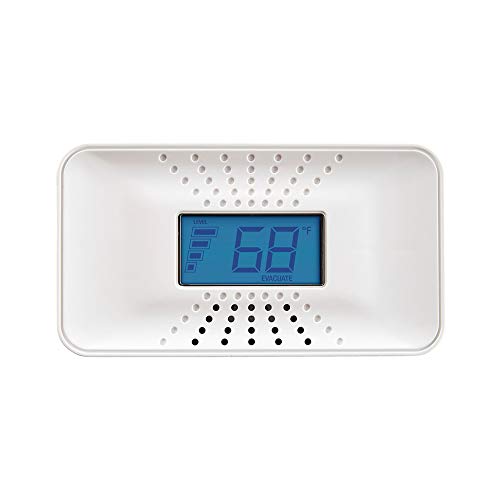
Best for: Cabins and larger deck arrangements where a digital readout helps monitor CO levels and temperature. The CO710 offers a 10-year battery life and a backlit digital display showing CO concentration and temperature. This is advantageous for boats with multiple compartments or higher occupancy. Limitation: 10-year battery life is strong, but if kept in a harsh marine environment, calibration and maintenance checks are still essential to ensure ongoing accuracy.
First Alert CO400 Carbon Monoxide Detector
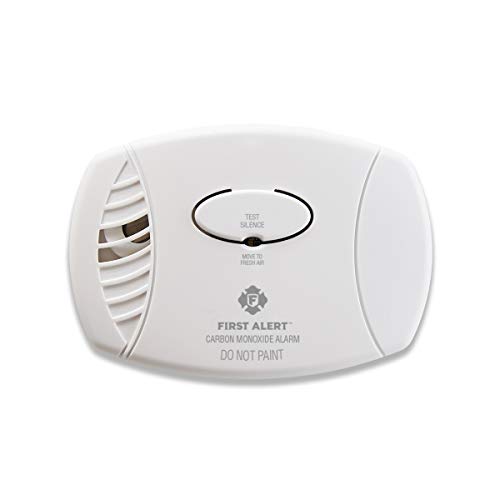
Best for: Boats needing straightforward battery-powered CO monitoring with a reliable alarm. The CO400 provides continuous CO monitoring during power failures and is designed for easy placement in cabins or lounges. Limitation: Some users may prefer digital readouts or additional features like a hush mode; CO400 emphasizes simplicity over advanced display features.
Kidde COB / COBD AA Battery Powered Detectors

Best for: Travelling boaters or those needing a portable CO detector that can be moved between boats, hotels, or RVs. The COB and COBD models are AA battery powered, compact, and easy to mount anywhere. Caution: portability comes with smaller sensing capacity; for larger cabins or homes on a boat, consider pairing with a dedicated, fixed alarm in addition to this portable unit.
Buying Guide: Key Considerations For Boat CO Detectors
Choose a detector that suits your vessel type, cabin layout, and power availability. Start with a primary, fixed CO detector in the main living area and consider portable units as backups for berths or auxiliary spaces.
- Power Source: Battery-powered units work during engine-off scenarios, while wired or hybrid models may offer continuous protection when shore power is available. Decide whether you need portability or fixed installation.
- Sensor Type: Electrochemical sensors are standard for CO detection and provide reliable accuracy. Ensure the sensor is designed for long-term marine use and is resistant to humidity and salt exposure.
- Display And Alerts: Digital displays help monitor CO concentration and temperature on many models. For spaces with limited visibility, a loud audible alarm plus visual LEDs is crucial.
- Maintenance And Lifespan: Look for long-life batteries or 10-year battery options. Plan regular tests and battery replacements to maintain effectiveness.
- Placement: Install detectors in sleeping cabins, common areas, and near engine compartments, avoiding direct exhaust or heat vents to prevent false alarms.
- Portability: If you frequently move between boats or travel, portable detectors add flexibility but may require more frequent checks.
FAQ: Quick Answers For Boaters
- Q: How many CO detectors should a boat have? A: Place at least one in each sleeping area and a main living area, plus a portable backup for trips away from the main cabin.
- Q: Do CO detectors work on boats without shore power? A: Yes, battery-powered units operate during power outages and engine-off conditions.
- Q: How long do boat CO detectors last? A: Many marine detectors use 10-year batteries or have user-replaceable batteries; follow manufacturer guidance for replacement intervals.
- Q: Can CO detectors detect propane or other gases? A: Some models are dedicated to CO only; others may include additional sensors. Check product specs to confirm gas coverage.
- Q: How should I maintain detectors on a boat? A: Test monthly, replace batteries as needed, and ensure detectors are kept away from high humidity or direct engine exhaust to avoid false alarms.
- Q: Are marine CO detectors waterproof? A: Most boat detectors are designed for humid environments but are not fully waterproof. Install them in dry, protected locations and follow mounting guidance.