Direct answer: For reliable bow support on a boat trailer, choose a bow rest catcher or bow stop with durable galvanization, corrosion resistance, and a padded, scratch-proof contact surface. The top picks below are best for different boat sizes, trailer tongues, and environments. This guide highlights who each product is best for and why it was selected, plus practical cautions to consider before buying.
Summary table of selected products
| Product | Best For | Key Benefit | Note |
|---|---|---|---|
| FreeAgain Boat Trailer Bow Rest Catcher Assembly | Medium to large boats, mixed marine settings | Double-layer galvanization and thick polyurethane pad | Excellent moisture and finish protection |
| KUAFU Adjustable Bow Rest Catcher | 3×3 or 3×4 trailer tongues | Zinc-plated, wear-resistant steel | Great for adjustable mounting on standard tongues |
| Upgraded FreeAgain Pro Bow Rest Catcher | Harsh climates, long-term use | Extra thick hot-dip galvanized steel post | Best durability and rust resistance |
| UANOFCN 2″ V-Style Bow Stop | Bow cradling with a non-marking surface | V-style cradle supports bow securely | Non-marking polyurethane option |
| Attwood Universal Rubber Bow Stop | Soft touch finish and simple setup | Non-marring rubber contact | Compact 3″ x 3″ footprint |
FreeAgain Boat Trailer Bow Rest Catcher Assembly
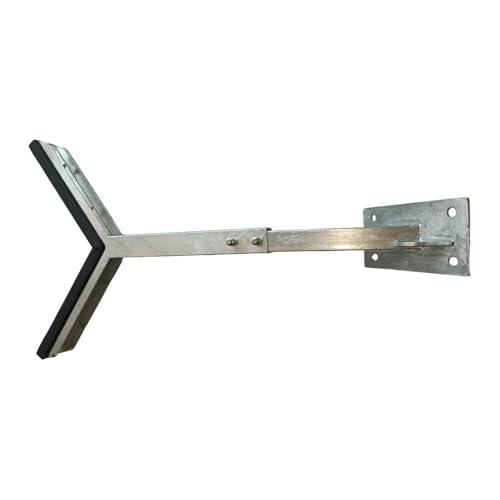
The FreeAgain Bow Rest Catcher uses a double-layer hot-dip galvanized construction with a thick marine-grade polyurethane pad. This combination provides strong corrosion protection and shock absorption to safeguard the boat’s finish during loading and unloading. Best for: boat owners seeking robust, long-lasting bow support in mixed saltwater and freshwater environments, especially where hull protection is a priority. Caution: ensure mounting hardware fits a compatible trailer tongue and that the post height aligns with your bow height to avoid interference with the trailer lights or fenders.
What makes it a strong choice:
- Double-layer hot-dip galvanization forms a durable zinc barrier against seawater.
- Q355 high-strength steel offers higher tensile strength than standard options, reducing flex under load.
- Thick marine-grade polyurethane pad protects the hull from scratches and dents.
Best for: medium to large boats in coastal or inland saltwater use where longevity and finish protection matter most.
Limitations: heavier than basic plastics, may be overkill for very small craft or minimal-use trailers.
KUAFU Adjustable Bow Rest Catcher
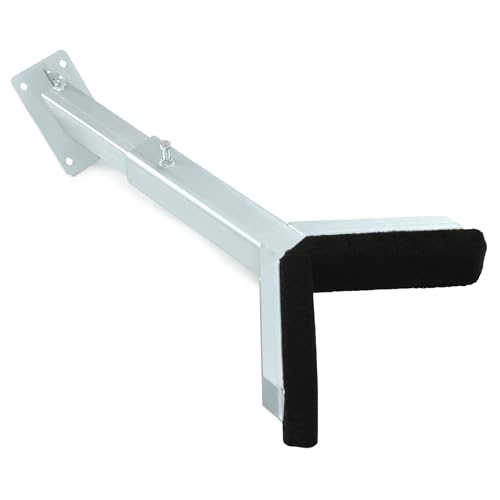
The KUAFU bow rest catcher is designed for 3 inch wide trailer tongues (3×3 or 3×4). It provides an additional bow-support surface, aiding in maintenance, storage, and safe handling of the boat. Best for: boat owners with standard 3-inch tongue trailers looking for a durable, zinc-plated, rust-resistant option. Caution: ensure compatibility with your trailer’s mounting holes and frame thickness before purchase.
Key features:
- Compatible with 3″ wide trailer tongues (3×3 or 3×4).
- Premium steel bracket for durability and rust resistance.
- Zinc-plated finish adds corrosion protection in marine settings.
Best for: installers seeking a straightforward, sturdy add-on for standard trailers.
Limitation: may require additional hardware for non-standard trailer frames.
Upgraded FreeAgain Pro Bow Rest Catcher

The FreeAgain Pro is an upgraded bow rest catcher featuring an extra thick hot-dip galvanized steel post and three layers of anti-corrosion protection. This design targets maximum rust resistance and longevity in harsh marine environments. Best for: boaters who demand top-tier durability and extended service life in salty or humid climates. Caution: the heavier post may require more robust mounting hardware and fitment checks on lighter trailers.
Why it stands out:
- Extra thick hot-dip galvanized steel post for enhanced rust resistance.
- Three-layer anti-corrosion protection preserving structural integrity over years.
- Designed to withstand heavy boat loads without bending.
Best for: users prioritizing maximum durability and long-term value in demanding environments.
Limitations: heavier assembly can impact ease of installation on smaller trailers.
UANOFCN 2″ V-Style Bow Stop

The UANOFCN bow stop uses a 2″ mounting width with a 4″ V-span and a non-marking polyurethane contact surface. This V-style cradle securely holds the bow and minimizes hull scuffs during transport. Best for: smaller to mid-size boats on trailers needing a snug, non-marking bow hold. Caution: verify mounting hole diameter and spacing match your trailer’s frame to ensure a proper fit.
Highlights:
- Non-marking polyurethane contact helps protect hull finish.
- V-style cradle cushions bow while providing secure restraint.
- 2″ mounting width ensures compatibility with many standard trailers.
Best for: boaters seeking gentle hull protection with a confident bow hold on standard trailers.
Limitations: may not fit wider trailer tongues without adapters.
Attwood Universal Rubber Bow Stop
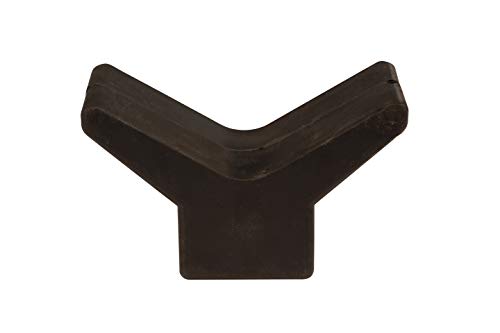
The Attwood Universal Rubber Bow Stop offers a non-marring rubber contact surface to protect the hull. It features a Y-stop cradle that anchors the bow securely. Best for: boaters who value a simple, low-profile bow stop with hull-friendly contact surfaces. Caution: rubber wear over time may reduce effectiveness; inspect for cracking or compression regularly.
Advantages:
- Non-marring rubber protects the boat finish.
- Y-stop cradle design promotes a secure bow hold.
- Compact and easy to install on many trailers.
Best for: hobbyist and casual users seeking affordable, hull-friendly protection.
Buying Guide
What should you look for when choosing a boat trailer bow rest?
- Material and corrosion resistance: Hot-dip galvanized steel offers strong rust protection in marine conditions. Consider models with marine-grade polyurethane padding to cushion contact.
- Mounting compatibility: Check tongue width (2″ or 3″), mounting hole patterns, and whether the unit fits your trailer’s frame without interfering with lights or fenders.
- Bow contact surface: Non-marking or padded surfaces protect hull finishes; polyurethane padding reduces scratches during loading and transport.
- Durability under load: Look for thicker posts and reinforced brackets if you regularly trailer heavy boats or operate in rough conditions.
- Maintenance: Stainless or galvanized steel plus protective coatings reduce corrosion risk; inspect hardware periodically for signs of rust or wear.
- Ease of installation: Consider whether the product requires specialized tools or re-drilling mounting holes.
Best-fit scenarios
- Coastal or saltwater use: prioritize extra-durable galvanization and multi-layer anti-corrosion protection (FreeAgain Pro, FreeAgain standard, GiftNice options).
- Standard trailers on inland waters: choose tongue-compatible designs (KUAFU, UANOFCN) with reliable, non-marking pads.
- Budget-conscious buyers: Attwood rubber bow stop offers hull protection with simple installation.
Installation tips
- Read trailer specifications and verify hole spacing before drilling new mounts.
- Ensure the bow stop height aligns with your boat’s bow height to avoid contact with the trailer hitch or winch.
- Periodically inspect for corrosion, wear, or pad degradation and replace if needed to maintain protection.
FAQ
- What is a bow rest catcher? A bow rest catcher is a device mounted on a boat trailer to cradle and support the bow, protecting the hull during loading, transport, and storage.
- Which material lasts longer in saltwater? Hot-dip galvanized steel with polyurethane padding tends to offer superior corrosion resistance in saltwater compared to basic powder-coated components.
- Do I need a bow stop or a bow rest catcher? A bow stop or bow rest catcher helps prevent hull damage and aids alignment. A bow rest catcher is typically used on trailers with a vertical post and pad, while a bow stop may cradle the bow in a different configuration.
- Can these be installed on any trailer? Most are designed for common tongue widths (2″ or 3″) and standard hole patterns, but confirm compatibility with your trailer model and mounting hardware.
- Is non-marking padding necessary? Non-marking padding is recommended if hull protection is a priority, especially for steel or fiberglass hulls.
- How do I maintain these devices? Regularly inspect for rust, wear, and padding integrity. Clean off salt and debris and re-seal or replace components as needed.