Answering the question, these boat plugs with cables are designed to simplify how you manage drain plugs on watercraft. They are best for boat owners who want quick-access, secure plugs that can be operated from the deck or console without kneeling at the bilge. The top picks below cover standard 1-inch drains, remote operation, and reliable materials for salt or freshwater use. The table compares purpose, install type, and notable strengths.
| Product | Best For | Key Benefit |
|---|---|---|
| Boat Drain Plug Marine Series Bailer 1 Inch Diameter Aluminum With Stainless Steel Cable And Nut | Saltwater or freshwater boats needing a durable cable | Whitecap-spec aluminum with stainless cable |
| Flow-Rite SeaLok Remote Drain Plug, 8FT Actuator, Cable & Plug | Deck-to-plug remote operation | Operate from console/seat; long cable |
| Attwood 7526A7 T-Handle Drain Plug | Simple, reliable 1″ drain | Brass handle; easy lock/unlock |
| Nayciiy 2 Pcs Boat Plug Snap Plugs 1 Inch T Handle | Spare, quick-locking 1″ plugs | Brass handle; corrosion-resistant |
| SeaSense Stainless Steel Drain Twist Plug (1-Inch) | Compact, corrosion-resistant plug | Stainless steel twist design |
Boat Drain Plug Marine Series Bailer 1 Inch

Best for: Boats that require a sturdy, long-lasting plug with a built-in cable for easy retrieval. The 1-inch aluminum body paired with a stainless steel cable and nut provides corrosion resistance in varied water conditions. It is selected for customers who want a traditional, reliable drain plug that won’t corrode quickly in saltwater environments.
Why it’s chosen: This plug aligns with Whitecap specifications and integrates a durable stainless cable, reducing the risk of losing the plug or struggling to locate it after removal.
Caution: Ensure the mounting hole and transom thickness match your boat’s hull to avoid an improper seal.
Flow-Rite SeaLok Remote Drain Plug
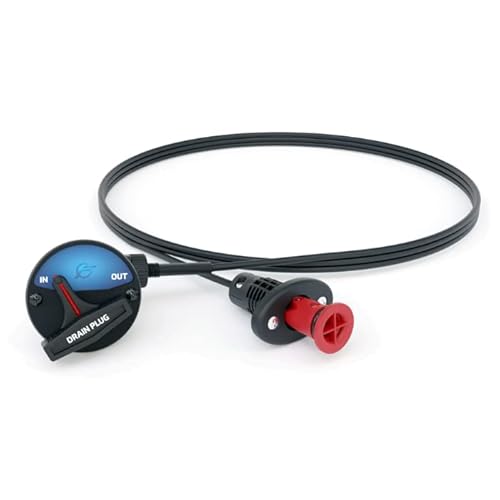
Best for: Boat owners who want to avoid crawling to drain plugs. This remote drain plug includes an 8-foot cable and a console-operated actuator, enabling fast opening or closing from a safe, dry area on the boat.
Why it’s chosen: The remote operation reduces awkward maneuvers at the stern or on wet ramps. It suits fiberglass or aluminum hulls with a 1″ mounting hole and a 3/4″ transom thickness.
Caution: Installation hinges on having the proper mounting hole size and space for the actuator mechanism in your transom area.
Attwood 7526A7 T-Handle Drain Plug
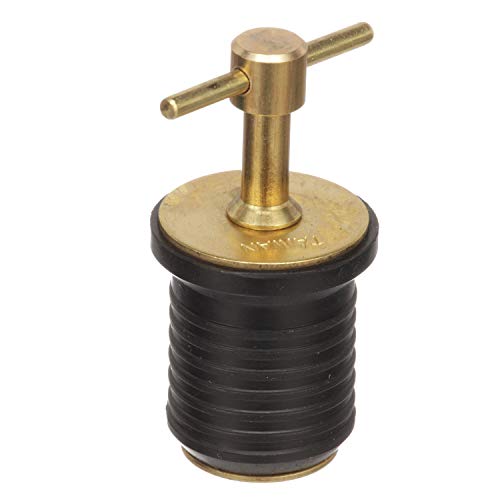
Best for: Boats that use a 1″ diameter drain and want a straightforward, hands-on plug that locks into place. The brass handle provides a classic, durable option with reliable sealing when rotated to lock.
Why it’s chosen: The brass construction resists corrosion and the T-handle design allows intuitive operation, especially in rough water or after a sail/anchor cycle.
Caution: Not ideal if you prefer a remote or quick-release style plug; it requires manual turning to lock or unlock the plug.
Nayciiy 2 Pcs Boat Plug Snap Plugs

Best for: Users who want a cost-effective spare and a simple locking mechanism for 1″ drains on various vessels, including kayaks and small boats.
Why it’s chosen: The kit offers two plugs with brass or stainless steel handles, creating a durable, rust-resistant option for casual or hobby boats.
Caution: Rubber components can degrade with age; inspect seals regularly and replace as needed to prevent leaks.
SeaSense Stainless Steel Drain Twist Plug
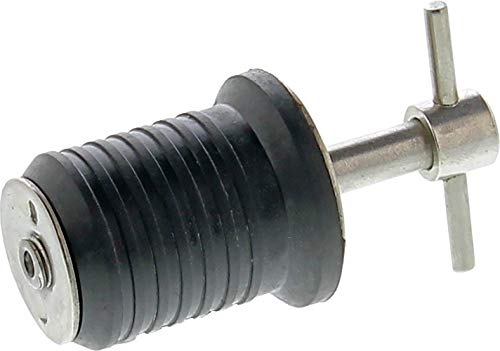
Best for: Boats seeking a compact, corrosion-resistant 1″ drain option with a simple twist mechanism.
Why it’s chosen: The stainless steel construction offers resistance to rust and wear, suitable for boats exposed to saltwater or humid environments.
Caution: The twist action may require a firm grip; avoid use on hulls where limited space makes turning difficult.
Attwood 17211-3 Drain Plug and Receiver Kit
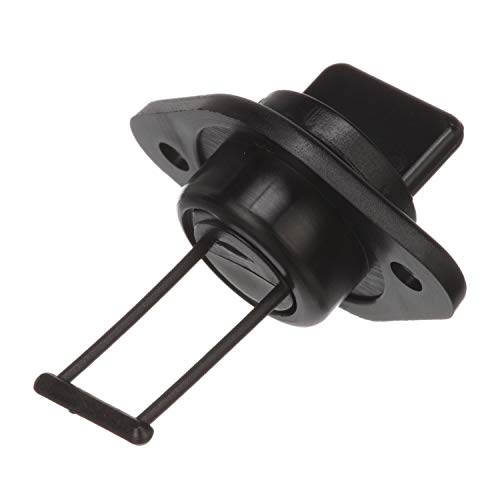
Best for: Boats that use a ¾-inch drain where a molded ABS plug and threaded receiver provide a secure, lightweight solution.
Why it’s chosen: The kit includes a ¾-inch diameter plug with a molded black ABS body and a threaded receiver, plus a retaining strap to help prevent loss.
Caution: It’s smaller than 1″ plugs; verify hole size in your vessel to ensure a proper seal and fit.
Buying Guide
Key considerations when choosing a boat plug with a cable or remote option:
- Hole size and compatibility: Confirm the drain hole diameter (1″ is common) and hull thickness to select the right plug type and mounting method.
- Material and environment: Stainless steel and brass offer corrosion resistance; aluminum plugs with stainless cables perform well in mixed water but verify saltwater exposure.
- Manual vs. remote operation: Remote plugs are convenient but require proper mounting space for the actuator; manual plugs are simple and reliable for small boats and spaces.
- Ease of use: Consider handles (T-handle vs. straight), grip comfort, and whether you prefer cable-assisted retrieval from the deck.
- Installation effort: Some kits require simple screw-in receivers; others need precise mounting holes and sealants. Assess your hull material and tools on hand.
- Spare parts and maintenance: Look for plugs with replaceable seals or easy-to-replace components to extend service life.
Frequently Asked Questions
- What is a remote drain plug good for? – It lets you open or close the drain from the boat’s console or seat, reducing the need to reach the stern or crawl across wet surfaces.
- Are 1″ drain plugs universal? – Many boats use 1″ drains, but always verify your hole size and transom thickness before buying.
- Should I use brass, stainless, or aluminum plugs? – Brass and stainless offer corrosion resistance, while aluminum is lightweight and strong; choose based on exposure to saltwater and maintenance preferences.
- Can I install a drain plug myself? – Yes, most plugs are designed for straightforward installation, but some remote systems require mounting space and electrical access.
- Is a spare plug recommended? – Yes, especially for boats that dock in challenging locations or have multiple drains on deck and cockpit areas.
- What maintenance is needed for drain plugs? – Inspect seals, clean debris from the plug hole, and replace corroded parts to maintain a watertight seal.