When choosing a boat gas tank cleaner, pick products that address water, varnish, sludge, and overall fuel-system health. This guide highlights five reliable options and explains who each is best for. The selections cover fuel-system cleaners, water-absorbing treatments, and enzyme-based tank care so you can keep engines running smoothly. The table below offers a quick snapshot of the top picks for easy comparison.
| Product | Best For | Key Benefit |
|---|---|---|
| STA-BIL Marine Tune-Up Fuel Treatment | Most boaters with rough-running engines | Carburetor and injector cleaning; water elimination |
| STAR BRITE Star Tron Fuel Tank Cleaner | Older tanks with sludge or varnish | Sludge and gum dissolution; fuel rejuvenation without harsh chemicals |
| STA-BIL 360 Marine Fuel System Treatment (32 oz) | Comprehensive fuel-system maintenance | Water removal, corrosion protection, injector cleaning |
| RW0125-78 Northern Fuel Tank Cleaner | OEM-referenced workups or replacement parts | OEM-spec compatibility and reference accuracy |
| STA-BIL 360 Marine Ethanol Treatment | Gasoline using ethanol fuels | Prevents ethanol-related damage and cleans the fuel system |
STA-BIL Marine Tune-Up Fuel Treatment

Best for engines that run rough after storage or seasonal layups. This treatment cleans carburetors and injectors while eliminating water that can cause phase separation. Suitable for boats with gasoline engines up to 20 gallons per bottle, making it a practical maintenance option for smaller vessels. The product helps restore smooth idle and steady acceleration by addressing fuel delivery issues. A potential limitation is that results depend on the severity of fuel deterioration and engine condition.
STAR BRITE Star Tron Fuel Tank Cleaner
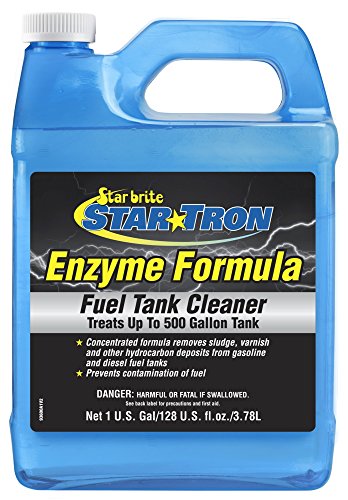
Best for rejuvenating old, stale fuel and removing internal tank deposits. Star Tron dissolves sludge and gum without stripping protective coatings, helping unclog fuel lines for smoother operation. It’s a concentrated formula suitable for both gas and diesel tanks, making it versatile for mixed-fleet boats. A caveat is that it’s most effective when used as part of a regular routine rather than a single fix for severely degraded tanks.
STA-BIL 360 Marine Fuel System Treatment (32 oz)
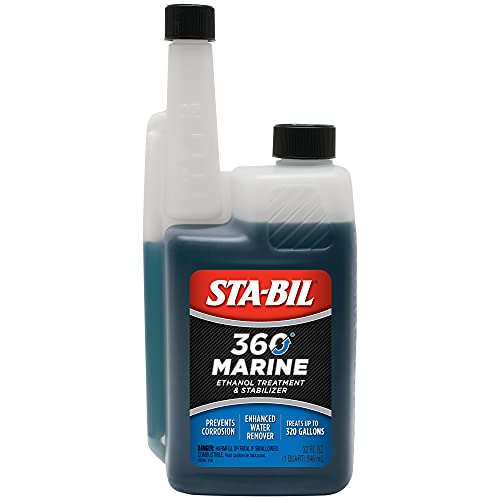
Best for comprehensive fuel-system care in boats and watercraft. This cleaner targets the entire fuel system, including injectors, lines, and pumps, while removing water and preventing corrosion. It can improve fuel economy and engine power by maintaining cleaner passages and reducing ethanol-related issues. A limitation is that the product aims at ongoing maintenance; if the tank is heavily gummed, multiple treatments or complementary cleaning might be needed.
RW0125-78 Northern Fuel Tank Cleaner

Best for compatibility-focused buyers seeking OEM-number references. This product emphasizes fit verification and manufacturer specifications, making it suitable for owners who need assurance before purchase. It’s a practical choice when you want a known reference point for older boats or engines with specific OEM requirements. A limitation is that, as an aftermarket part, compatibility checks should be thorough to avoid mismatches.
STA-BIL 360 Marine Ethanol Treatment

Best for ethanol-heavy fuel environments to prevent corrosion and moisture-related damage. This product also cleans the fuel system and helps maintain stable performance during the boating season. A notable limitation is that the formulation targets ethanol-related issues; in non-ethanol blends or older engine designs, verify compatibility with your fuel type before use.
Buying Guide
What should you consider when choosing a boat gas tank cleaner?
- Fuel type and engine compatibility: Confirm ethanol content and whether the product supports gasoline or diesel systems used on your boat.
- Tank condition: For tanks with visible sludge or varnish, a stronger cleaner or a two-step approach may be necessary.
- Maintenance vs. problem-solving: Choose cleaners that fit your goal—preventive maintenance or restoring performance after poor fuel quality.
- Treatment volume and ease of use: Larger bottles are cost-effective for annual maintenance; look for easy dosing instructions for your tank size.
- Corrosion and moisture management: If you operate in humid waterways, prioritizing water-removal and corrosion protection is beneficial.
- OEM and compatibility considerations: When replacing parts, verify OEM references or compatibility with your fuel system components.
FAQ
- Q: How often should I use a boat gas tank cleaner?
A: Use as part of seasonal maintenance or when you notice performance issues such as rough idle or reduced fuel economy. - Q: Can I mix different brands?
A: It’s best to follow manufacturer instructions and avoid mixing unless explicitly stated as compatible. - Q: Will cleaners remove water from the fuel tank?
A: Many formulations include water-removal properties to reduce phase separation and corrosion risk. - Q: Do fuel cleaners affect ethanol-damaged systems?
A: Some products target ethanol-related damage; check product specifications for ethanol compatibility. - Q: Are enzyme-based cleaners safer for tanks?
A: Enzymatic formulations can aid breakdown of waste without harsh chemicals, but effectiveness depends on tank conditions. - Q: Should I run the engine after treatment?
A: Yes, allow the cleaner to circulate through the fuel system according to label directions to maximize benefits.