Answering the needs of boaters who want to prevent freezing in engine compartments, bilges, and nearby spaces. The top picks below are best for different boat sizes and use cases: small to mid-sized boats needing reliable 400–500W options, larger spaces that benefit from 650W or 700W capacity, and those who want dual-safety features. This guide helps choose the right heater for winter storage, preventing cabin pump freezes, and extending the boating season.
Summary of selected products:
- Therelmax 500W Engine Compartment Heater (HMA500)
- Haoguo 400W Bilge Heaters
- Xtreme Heaters 400W Bilge Heater
- Therelmax 650W Engine Compartment Heater (HMA650)
- BOATBILGEHEATERS Twin Hornet 45 700W
Therelmax Boat Engine Compartment Heater 500W
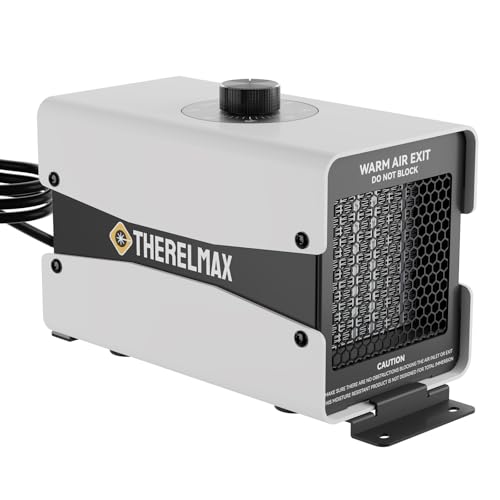
This 500W heater uses a safe PTC ceramic element with a built-in thermostat. It heats the bilge quickly to prevent freezing and keeps the engine area dry. Best for smaller to mid-sized boats where space is limited and a compact unit is preferred. The built-in thermostat helps maintain a steady temperature range, reducing winterizing costs.
Best for: small to midsized boats that need reliable, space-efficient protection against freezing. Choose this if you want a straightforward setup with a programmable temperature range (41℉–86℉). Caution: ensure proper clearance around electronics and ventilation openings.
Why this was selected
It combines 3s fast heating with a compact 500W rating and a built-in thermostat, making it suitable for tight bilge spaces while delivering consistent protection against freezing.
Haoguo Boat Engine Compartment Heater, 400W

Haoguo’s 400W bilge heater targets boats up to 350 cubic feet, offering a self-regulated PTC element and a 40 CFM waterproof fan. It’s designed for steady, uniform heating and quiet operation. The product emphasizes easy installation and portability, making it a practical option for seasonal users and boats with smaller engine compartments.
Best for: boats up to 350 cubic feet where you want reliable, uniform heating with a straightforward install. Better for: those who prioritize a waterproof fan and a compact footprint. Caution: performance may be limited in very large compartments or extremely cold ambient conditions.
Why this was selected
The self-regulating PTC element plus a waterproof 40 CFM fan delivers steady heat without overheating, which is ideal for preventing freezing on moderate-sized vessels.
Xtreme Heaters 400W Bilge Heater

This 400W heater by Xtreme Heaters features a self-regulating PTC element, a 40CFM waterproof fan, and a compact, durable anodized case. It is designed for reliable cooling system protection, RV bays, and boat cabins. The unit’s compact size allows flexible mounting in various orientations, including upside down, which can help fit awkward bilge layouts.
Best for: users needing a compact, durable heater with flexible mounting for varied boat layouts. Choose this if you want the option to mount in multiple directions. Caution: ensure the heater is correctly oriented for optimal airflow and avoid obstructing the fan.
Why this was selected
Its versatility in mounting orientation and robust waterproof fan makes it a practical all-around choice for boats with diverse bilge designs and winter storage needs.
Therelmax Boat Engine Compartment Heater 650W
The 650W version extends the same concept as the 500W model with an adjustable thermostat and a safe PTC element. It is designed to keep bilges warm and dry even in harsher cold spells, and it aims to reduce winterizing costs for larger boats or spaces requiring higher output. It shares the 41℉–86℉ temperature range with a recommended 46℉ setting for engine compartments.
Best for: larger boats or spaces needing extra heating capacity. Better for: users who want more precise heat control to prevent freezing across bigger bilges. Caution: higher wattage requires careful electrical setup and space planning to ensure safe operation.
Twin Hornet 45 700W Boat Engine Compartment Heater
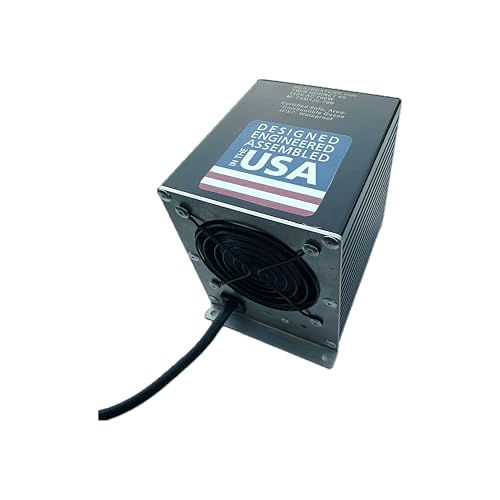
This 700W dual-component heater is assembled in the USA and emphasizes dual self-temperature regulating modules and dual thermostats, plus two fans rated for long life. It targets high-value assets and provides extra protection via redundant heating and cooling components. The design is intended for demanding winter protection in more expansive bilge areas.
Best for: larger vessels or high-value installations where redundancy matters. Choose this if you want the added safety of dual components and two fans. Caution: higher power draw means more substantial electrical requirements and proper installation planning.
Buying Guide
Key considerations when choosing a boat engine compartment heater:
- Space and boat size: Match the heater wattage to bilge volume and engine compartment size. Smaller spaces often perform well with 400–500W units, while larger spaces may require 650–700W options.
- Thermal control: A built-in thermostat or adjustable temperature range helps maintain safe, consistent temperatures and reduces energy waste.
- Power and electrical setup: Verify available shore power or on-board electrical capacity. Higher wattage units require adequate amperage and proper wiring.
- Material and durability: Look for waterproof fans, corrosion-resistant housings, and sealed electronics for marine environments.
- Mounting flexibility: Some models allow upside-down or side mounting; consider your bilge layout and clearance.
- Redundancy and safety: Models with dual thermostats or dual heating modules offer added protection for critical systems in harsh conditions.
Practical considerations by use case:
- Winter storage: A 400–600W heater is usually sufficient to prevent freezing in standard bilges.
- Extended boating season: Models with higher wattage or dual components help maintain warmth in larger engine compartments.
- Portable or temporary setups: Smaller, self-regulating units can be moved to different boats or seasons with ease.
FAQ
- Q: Will these heaters work for RVs or greenhouses as well? A: Many models list versatility beyond boats, such as RV bays and greenhouses, but verify compatibility with the specific space you intend to heat.
- Q: Is a thermostat necessary for safe operation? A: An adjustable thermostat helps prevent overheating and reduces energy use by maintaining a stable temperature.
- Q: Can I mount the heater upside down? A: Some models allow mounting in any direction, but check the product specification to ensure safe operation.
- Q: How large should the heater’s space be for optimal performance? A: Match the heater’s wattage to the volume of the space; too small a unit may underheat, while too large a unit could cycle frequently.
- Q: Do these heaters require professional installation? A: Installation can vary; follow manufacturer instructions. For higher wattage units or complex wiring, consider professional electrical help.
- Q: Are these heaters resistant to moisture and corrosion? A: Look for waterproof fans, sealed electronics, and corrosion-resistant housings designed for marine environments.