Answer: If you’re removing or replacing antifouling bottom paint, focus on products that minimize damage to hulls, reduce messy cleanup, and simplify reapplication. The top options below are best for boaters who want fast, effective antifouling performance with manageable maintenance. This guide highlights five prominent antifouling paints and related removers that are commonly used by American boaters across salt, freshwater, and brackish environments.
Who this is for: Sailors and powerboat owners seeking reliable seasonal protection, environmentally conscious marinas with low-VOC rules, and those who haul their boats annually or biennially. The following table compares key attributes to help you decide which product suits your hull type, water conditions, and maintenance schedule.
| Product | Best For | Water Type | Notes |
|---|---|---|---|
| TotalBoat Underdog | Frequent-use boats | Saltwater | Ablative, easy recoat, economical |
| TotalBoat JD Select Ablative | Daily-use boats | Salt & Fresh | Low odor, low VOC, easy cleanup |
| Rust-Oleum Marine Bottom Paint | Fiberglass or wood, DIY projects | All | Easy recoat window, simple coverage |
| TotalBoat Outdrive AF | Aluminum boats and outdrives | Fresh/Salt | Copper-free for aluminum |
| TotalBoat Spartan | High-foulant waters | All | High copper content, durable |
TotalBoat Underdog Marine Antifouling Bottom Paint
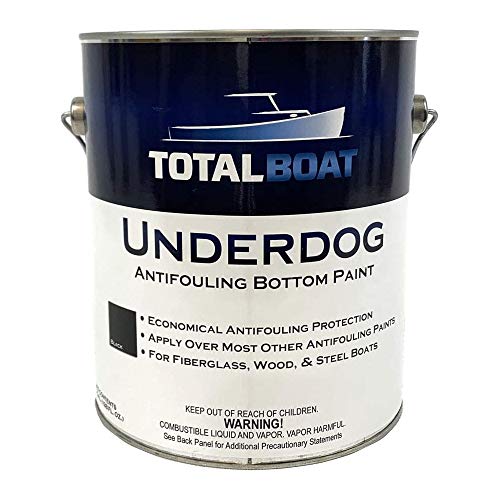
Best for boats that spend regular time in saltwater and need economical, single-season protection. This ablative coating releases fresh biocide as the water moves, helping prevent barnacles and mussels from attaching. It’s suitable for properly prepared fiberglass, wood, steel, and iron hulls. The finish resists trailering and beaching better than traditional ablatives, reducing paint buildup by season’s end.
Sailboats and work boats that are hauled and relaunched within a season, or boats that see frequent use in coastal waters. Limitations: May require reapplication after a long dry period; ensure proper hull prep for best adhesion.
TotalBoat JD Select Ablative Antifouling (Quart)

Best for boats requiring low odor and low VOCs with easy cleanup. This ablative, self-polishing coating wears away as the boat moves, reducing buildup and sanding next season. It’s designed for fiberglass, wood, and steel in both salt and fresh water, and can be burnished for improved smoothness and efficiency.
Who should choose it: Marinas and boat yards with environmental restrictions or users who prefer a low-toxicity product. Caution: No maximum dry time before launch is listed, so follow environmental and marina guidelines for launch windows.
Rust-Oleum 396967 Marine Antifouling Paint

Best for versatile, DIY bottom protection on fiberglass, wood, or steel surfaces. The formulation slowly releases copper to deter fouling, with a practical recoat window and a reasonable coverage rate. It’s suitable for mixed-water use and can be launched after a short cure.
Who it’s for: Boat owners seeking a straightforward, entry-level option. Limitations: Performance varies with water salinity and speed; consistent maintenance improves results.
TotalBoat Outdrive AF Antifouling Paint (Quart)

Best for aluminum boats, outdrives, and outboards requiring copper-free protection. This single-season coating guards against barnacles, slime, and algae in all water types. It’s designed for below-waterline applications without copper content, reducing potential chrome and marine life concerns.
Who should consider it: Aluminum hulls and outdrives where copper-based paints are undesirable. Limitation: Compatibility with non-aluminum substrates should be confirmed prior to use.
TotalBoat Spartan Bottom Paint

Best for high-foulant conditions where maximum antifouling protection is needed. The formula uses a high copper content to defend against barnacles and slime in fresh, salt, and brackish waters. It offers a smooth, abrasion-resistant finish and can be burnished for racing finishes. Ablative properties reduce buildup, aiding long-term maintenance.
Who it’s for: Boats operating in demanding waters or with frequent exposure to fouling. Limitation: Higher copper content may require careful environmental considerations in marinas.
Buying Guide
What type of antifouling paint is right for you? Consider hull material, typical water conditions, and how often you launch and haul out. Ablative paints wear away with use, reducing buildup but requiring re-application after a season or two. Harder, copper-based paints offer long-lasting protection but may require more maintenance and careful environmental handling.
Key questions to guide your choice:
- Is my hull aluminum, fiberglass, wood, or steel? Some products are optimized for specific substrates (like Outdrive AF for aluminum).
- Do I operate in heavy fouling waters or lighter use environments? High-foulant formulations provide longer protection but may cost more upfront.
- What are marina environmental restrictions? Low-VOC and water-based options help with compliance and cleanup.
- How often do I haul my boat? Ablative paints are popular for frequent launch-and-relaunch cycles.
- Am I concerned about copper content due to ecological considerations? Copper-free options exist but may have different performance profiles.
Maintenance tips: Always follow the product’s prep requirements, including hull cleaning, fairing, and moisture-free application. For ablatives, plan for re-coating cycles aligned with your boating season. For copper-based options, ensure compliant disposal and observation of marina guidelines.
FAQ
- What is antifouling paint removal? It involves removing old coatings to prepare a hull for new paint or maintenance, reducing buildup and improving adherence.
- Can I mix antifouling paints? Mixing is generally not recommended; select a single product per hull surface to ensure predictable performance.
- Which boat types benefit most from ablative paints? Boats that move frequently or are hauled and relaunched often tend to benefit from ablatives due to reduced buildup.
- Are low-VOC paints less effective? Many low-VOC options provide comparable protection with easier cleanup and marina compliance.
- Is copper-free paint as effective as copper-based options? Copper-free paints may be slightly less aggressive in extreme fouling but are suitable for many environments, especially where copper use is restricted.
- What prep steps maximize paint longevity? Start with clean, dry hull surfaces, remove loose old coating, and assess any damage or blisters before recoating.