Yes. A boat anti siphon valve helps prevent fuel theft and fuel spillage while ensuring fuel can flow toward the engine. These valves are commonly used on permanent fuel tank installations and pickup tubes to block reverse flow when hoses are compromised. The best choice depends on your boat’s fittings, hose size, and whether you need compact replacement parts or heavy-duty corrosion resistance. This guide highlights five popular options, showing who each is best for and why.
| Product | Best For | Key Benefit |
|---|---|---|
| Attwood 88FAS014-6 | Standard small boats | Durable aluminum, reliable replacement |
| Seachoice Anti-Siphon Valve | Casual to mid-range sailors | USCG-reg compliant, corrosion resistant |
| Adabuing Marine Anti Siphon Valve (2 Pack) | Value-conscious setups | Two-pack with 1/4″ NPT and 3/8″ hose |
| BZTT Boat Anti Siphon Valve (2 Pack) | Compact two-pack needs | 2.2-inch overall length, 1/4″ NPT |
| Moeller 033808-10 | Federal compliance focused installs | Brass body, Coast Guard standard |
Attwood 88FAS014-6 Fuel Tank Fitting
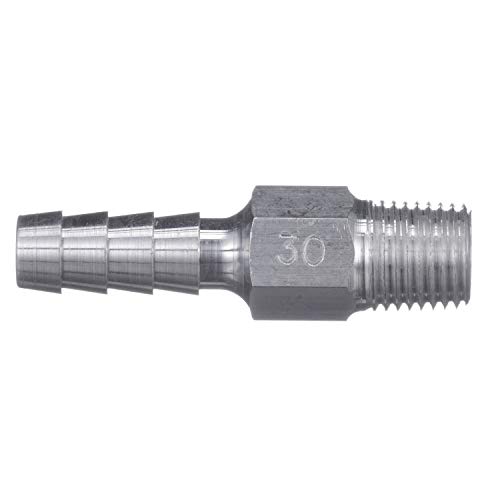
Brand: Attwood. Features include a dependable replacement for original equipment and a secure fuel line connection with a ¼-in. NPT male thread and 3/8-in. barb. The aluminum construction offers corrosion resistance in typical marine environments. Best for: regenerating or upgrading factory fuel fittings on smaller boats where a straightforward replacement is needed. Limitation: lacks additional integration features found on higher-end modules.
Seachoice Anti-Siphon Valve
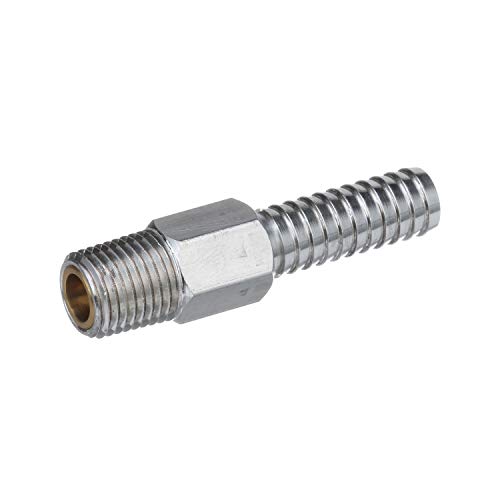
Brand: Seachoice. This aluminum valve is ¼ in. NPT with a 3/8 in. hose connection and meets USCG regulations. Best for: boaters who need a regulation-compliant component with corrosion resistance for longer service life. Caution: ensure hose barb dimensions match your existing fuel line to avoid leaks.
Adabuing Marine Anti Siphon Valve (2 PCS)

Brand: Adabuing. Features include a two-pack design with 1/4″ NPT and 3/8″ hose connections, designed to prevent siphoning and fuel theft. Best for: users who want a cost-effective, two-valve solution for multiple tank inlets. Limitation: product data emphasizes compatibility rather than installed performance in all vessel configurations.
BZTT Boat Anti Siphon Valve (2 Pack)

Brand: BZTT. This two-pack valve features ¼ in. NPT threads and 3/8 in. hose fittings, with a compact 2.2-inch overall length. Best for: tight spaces or smaller boats where space is at a premium. Caution: verify compatibility with your tank pickup tube and fittings, as some setups may require alternative thread sizes.
Moeller 033808-10 Anti-Siphon Valve

Brand: Moeller. Brass anti-siphon valve with 3/8″ NPT and compatibility with Federal Law and USCG requirements for permanent fuel tank installations. Best for: boats needing compliance with Coast Guard standards without extra fittings. Limitation: brass construction may require more attention to galvanic corrosion on certain vessels.
Buying Guide: Key Purchase Considerations
What sizes do I need?
Most marine anti siphon valves come in ¼” NPT threads with 3/8″ hose fittings. Confirm both thread size and hose inner diameter to ensure a leak-free fit with your fuel line. If you have larger hoses or a different nipple size, you may need adapters or a different valve model.
Is USCG compliance important for my boat?
For many vessels, especially those used commercially or in regulated areas, choosing a valve that meets USCG regulations provides a baseline for safe fuel handling and theft prevention. Look for explicit regulatory language on the product page.
What material should I choose?
Aluminum is common for corrosion resistance and light weight, while brass offers durability and resale acceptance in some installations. Consider your boat’s corrosion environment and any dissimilar metal concerns to prevent galvanic corrosion.
How many valves should I buy?
Two or more valves are practical for boats with multiple fuel pickups or separate tanks. A two-pack often saves money and ensures compatibility with future repairs or upgrades.
Are there installation limits I should know?
Anti siphon valves are typically installed at the outlet of the fuel tank or along the pickup tube path. Ensure the valve orientation allows fuel to flow toward the engine while preventing reverse flow if a line breaks. Some installations require professional help for sealed tank configurations.
When should I avoid a valve?
A valve may be unnecessary if your current fueling setup already includes integrated anti siphon protection or if your vessel’s fuel system does not present siphoning risk. Always verify compatibility with existing fittings before purchasing.
FAQ
- What is an anti siphon valve used for on boats? It prevents fuel from flowing backward and being siphoned out, while allowing forward fuel delivery to the engine.
- Do I need USCG compliance for a recreational boat? Compliance is often recommended or required for certain installations; check local regulations and the vessel’s use case.
- Can I install these myself? Many are designed for DIY installation, but ensure proper seals and compatibility with your fuel lines to avoid leaks.
- What materials are best for marine environments? Aluminum provides corrosion resistance; brass offers durability, but consider galvanic compatibility with other metals on the boat.
- How many valves should I buy? Two valves cover multiple pickups or tanks and provide a spare for future upgrades.
- Will these fit any boat fuel tank? Fit depends on thread size and hose connection; measure your fittings (¼” NPT, 3/8″ hose) before purchasing.