If you’re searching for a reliable bilge heater for your boat, you want proven performance, safety, and simple installation. This guide highlights top boat engine compartment heaters that maintain safe temperatures, prevent freezing, and extend the boating season. Ideal buyers include casual weekend boaters, cold-season travelers, and anyone storing boats in under-belly or cabin areas. Below, five well-suited options are compared to help you choose what fits your space and power needs.
Product Comparison at a Glance
| Product | Power (W) | Best For | Key Benefit |
|---|---|---|---|
| Boat Engine Compartment Heater — 400W (Xtreme Heaters) | 400 | Compact spaces, lightweight boats | Self-regulating, upside-down mounting |
| Therelmax Boat Engine Compartment Heater — 500W | 500 | Longer marine seasons, versatile bays | Built-in thermostat, fast heating |
| Boat Engine Compartment Heater — 800W (Xtreme Heaters) | 800 | Larger bilges, higher protection | Stronger heat output, durable build |
| Twin Hornet 45 — 700W (BOATBILGEHEATERS) | 700 | Dual-system safety, high value assets | Dual components, dual fans and thermostats |
| Haoguo — 650W Boat Engine Compartment Heater | 650 | Medium-to-large boats, enclosed spaces | Self-regulated PTC, uniform heating |
Boat Engine Compartment Heater — 400W

Brand: Xtreme Heaters
Features: 1) 10% smaller with 150W more output, 2) Self-regulating PTC element with 40°F on / 55°F off, 3) Anodized case, sealed electronics, 58 CFM waterproof fan, 4) Mountable in any direction, even upside down.
Best for: Small to mid-size boats needing reliable frost protection in compact engine compartments. This unit provides consistent warmth without manual adjustments, suitable for limited spaces.
Caution: The 400W rating may be insufficient for very large bilges or extremely exposed locations; ensure your space falls within the product’s effective heating volume.
THERELMAX 500W Boat Engine Compartment Heater
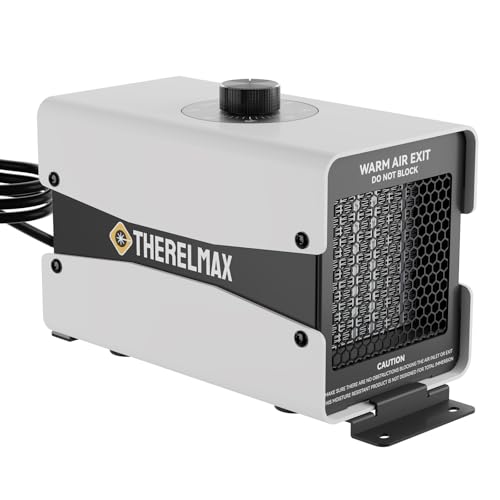
Brand: Therelmax
Features: Built-in adjustable thermostat (41℉-86℉), 3-second fast heating with 500W safe PTC ceramic heating, versatile usage beyond bilges (greenhouses, workshops, RV bays).
Best for: Boat owners who want to extend the boating season with flexible temperature control and quick heat-up. This model suits mid-sized boats and spaces where temperature consistency matters.
Caution: Recommended thermostat range is explicit; avoid settings outside the specified range to maintain safe operation and prevent unnecessary energy use.
Boat Engine Compartment Heater — 800W (Xtreme Heaters)

Brand: Xtreme Heaters
Features: Same “best-in-class” design as the 400W variant with an 800W output, durable anodized casing, sealed electronics, and a 58 CFM waterproof fan. Self-regulating with 40°F cut-in and 55°F cut-off; can be mounted in any orientation.
Best for: Boats with larger engine compartments or spaces that demand higher heat to prevent freezing. Choose this if you need stronger heating performance in bigger bilges.
Caution: Higher wattage requires more power draw; verify electrical capacity to avoid overload in small vessels.
Twin Hornet 45 700W — Boata Engine Heater
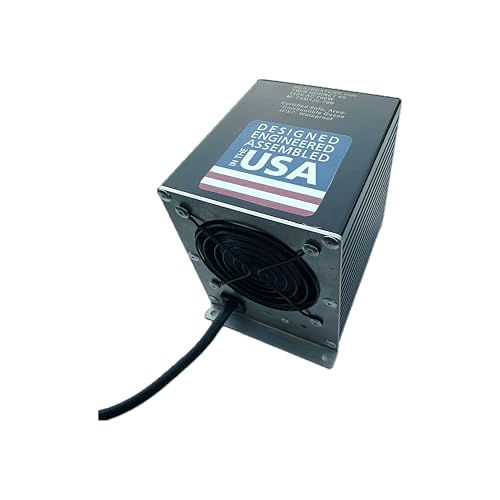
Brand: BOATBILGEHEATERS
Features: Hand-assembled in the USA with American-made components where possible; dual-component heater with enhanced protection; two stainless-steel self-temperature regulating modules, two waterproof thermostats, and dual fans rated for long life.
Best for: Owners seeking redundancy and robust safety in high-value assets or larger vessels. The dual-system design makes it a strong option for critical installations.
Caution: Dual components add complexity; ensure compatibility with your boat’s wiring and space for two heating modules.
Haoguo 650W Boat Engine Compartment Heater

Brand: Haoguo
Features: Enclosed-space design with self-regulated PTC element; 650W rating with 500 cubic feet coverage; 10A overcurrent protection; 40CFM waterproof fan ensures quiet, uniform heating.
Best for: Medium to large boats needing balanced heat distribution in enclosed engine spaces while staying within electrical limits. Good compromise between power and space constraints.
Caution: Ensure your bilge volume aligns with the recommended coverage to avoid under-heating or excessive airflow noise.
Buying Guide: Key Considerations For Choosing A Boat Bilge Heater
- Heat output vs. space: Match wattage to bilge volume. Smaller boats benefit from 400W–500W units; larger compartments may need 650W–800W.
- Self-regulating safety: Look for PTC elements with automatic on/off within a safe temperature range to prevent overheating.
- Mounting options: Models rated for upside-down or multi-direction mounting offer flexibility in tight compartments.
- Durability and protection: Anodized casings, sealed electronics, and waterproof fans improve longevity in damp marine environments.
- Thermostat control: Built-in adjustable thermostats provide precise temperature targets, reducing unnecessary energy use.
- Electrical considerations: Check your boat’s available amperage and wiring to support the heater’s wattage.
- Redundancy vs. space: Dual-component systems offer extra protection for high-value assets but require more installation space.
Frequently Asked Questions
- What size bilge heater do I need for a 300–500 cubic foot boat? A 400W–650W model is typically suitable for smaller to mid-sized boats; verify space and insulation first.
- Can I mount a bilge heater upside down? Some models are rated for upside-down mounting; check the product’s mounting guidelines before installation.
- Will a bilge heater prevent all freezing? It provides protection by maintaining temperatures above freezing, but extreme outdoor conditions may require additional winterization measures.
- Do these require professional installation? Many are designed for DIY installation, but ensure wiring, ventilation, and safety standards are met for your vessel’s electrical system.
- Do I need a thermostat? Yes, a built-in thermostat or external thermostat helps maintain stable temperatures and conserve energy.
- Are dual-system heaters better? They offer redundancy and protection for critical equipment but take extra space and wiring; assess your needs and boat layout.