Answering the common buyer question: which antifouling paint delivers reliable, single-season protection across fiberglass, wood, and steel hulls? This guide highlights five practical options, with clarity on who each product targets. It’s ideal for saltwater and mixed-water use, including frequent swimmers, recreational boaters, and workboats. The following summary table helps compare core attributes at a glance.
| Product | Best For | Key Benefit | Notes |
|---|---|---|---|
| TotalBoat Underdog Marine Antifouling Bottom Paint (Blue, Gallon) | Frequent users; sailboats and powerboats | Economical, single-season protection | Ablative finish; good trailering durability |
| TotalBoat JD Select Ablative Antifouling Bottom Paint (Black, Gallon) | Saltwater & freshwater boats | Self-polishing coating; reduces buildup | Low odor, easy cleanup |
| TotalBoat JD Select Ablative Antifouling Bottom Paint (Blue, Gallon) | Fiberglass, wood and steel boats | Same great ablative formula in blue | Environmental restrictions friendly |
| Rust-Oleum 396967 Marine Flat Boat Bottom Antifouling Paint (Quart, Black) | Entry-level or smaller projects | Slow-release copper; easy to recoat | Good for DIY freshwater/salt mixes |
| TotalBoat Krypton Copper Free Antifouling – Quart | Aluminum outdrives; aluminum boats; copper-free needs | Copper-free formula; bright colors | Ideal for copper-sensitive platforms |
TotalBoat Underdog Marine Antifouling Bottom Paint (Blue, Gallon)
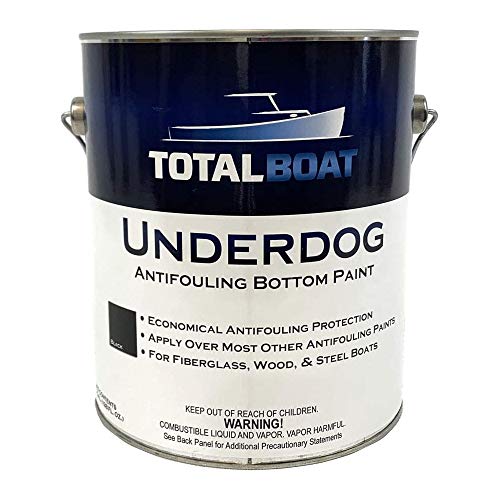
Best for frequent boaters who need economical protection across saltwater conditions. This ablative bottom paint releases fresh biocide as water moves under the hull, reducing barnacle and mussel attachment. Suitable for properly prepared fiberglass, wood, steel, and iron hulls. The coating wears away over a season, preventing buildup and easing next-season prep. Caution: performance relies on regular movement; stationary boats may require reapplication sooner.
TotalBoat JD Select Ablative Antifouling Bottom Paint (Black, Quart)

Best for a well-rounded, low-odor option with easy cleanup. The self-polishing, ablative film wears away as the boat moves, minimizing paint buildup and reducing sanding next season. It’s designed for fiberglass, wood, and steel boats in salt water and fresh water, with low VOCs and no lasting fumes. Choose this if marina environmental restrictions matter and you want a smooth re-launch process.
TotalBoat JD Select Ablative Antifouling Bottom Paint (Blue, Gallon)

The blue variant delivers the same self-polishing advantages. It’s well-suited for boats operating across saltwater and freshwater environments. The product’s low odor and easy cleanup support marinas with environmental rules. Note that there is no maximum dry time before launch listed, aligning with marina scheduling flexibility in some locales.
Rust-Oleum 396967 Marine Bottom Antifouling Paint (Quart, Black)

Best for lighter-duty projects or smaller boats needing an affordable solution. This formulation releases copper gradually to prevent fouling and covers up to 110 sq ft per quart. It can be recoated after four hours and launched after about 16 hours, making it practical for timetabled DIY routines. Caution: copper-based formulas may influence tolerant substrates; verify hull compatibility first.
TotalBoat Krypton Copper Free Antifouling (Quart)

Best for copper-sensitive platforms such as aluminum boats, outdrives, and trim tabs. The copper-free formula avoids galvanic corrosion concerns and provides a bright color profile. It’s suitable for fiberglass, wood, steel, iron, and aluminum below the waterline. Choose this if copper or mixed-metal considerations are a priority and you want a copper-free performance profile.
Buying Guide: Key Considerations for Antifouling Paint
- Boat type and material: Match the product to fiberglass, wood, steel, or aluminum hulls. Ablative powders work well on boats with regular movement; copper-free formulas suit aluminum or zinc-sensitive components.
- Water type and usage: Saltwater boats see more biofouling; freshwater usage may alter coating longevity. Consider whether you need a full-season, self-polishing, or simple recoat solution.
- Environmental and marina rules: Low VOC and water-based options are often preferred in marinas with restrictions. Check local guidelines before choosing.
- Recoat and launch timing: Some paints offer rapid recoat or short launch windows; others require longer cures. Plan around haul-outs and schedules.
- Ease of cleanup and maintenance: Low-odor, easy-wash products simplify maintenance and reduce downtime between seasons.
- Color and visibility: Copper-free formulas often yield brighter colors, which can matter for hull aesthetics or visibility.
FAQ
- What is ablative antifouling paint? It wears away gradually as the boat moves, reducing buildup and needing less sanding next season.
- Is copper-free antifouling better for aluminum boats? Yes, to prevent galvanic corrosion with aluminum surfaces and accessories.
- Can I use antifouling paint in marinas with environmental restrictions? Look for low-VOC or water-based formulas that are marina-friendly.
- How soon can I relaunch after applying antifouling paint? It varies by product; follow the manufacturer’s cure and launch guidance for safe operation.
- Do these paints work in freshwater and saltwater? Many listed options are designed for both; verify the specific product’s water conditions compatibility.
- What’s the best option for frequent trailering? Ablative paints that resist buildup and clean easy are typically ideal for boats that are moved often.