Answering the need for secure fuel systems on boats, this guide highlights the best anti-siphon valve options for boat fuel tanks. These products are ideal for boat owners seeking to prevent fuel theft, spillage, and unintended siphoning, while meeting regulatory expectations. The top picks cover replacements, universal compatibility, and dual-pack value for maintenance or multiple tanks. Best for: new installations, replacement parts, and budget-conscious buyers who want reliable, USCG-regulation–compliant solutions.
| Product | Best For | Why It Stands Out |
|---|---|---|
| Attwood 88FAS014-6 Fuel Tank Fitting | Direct replacement for OEMs | Durable aluminum construction with 1/4″ NPT male thread and 3/8″ barb for secure fuel line connections |
| Marine Anti Siphon Valve Replacement (Doufuhua) 2 Pack | Multiple fittings and value | 1/4″ NPT and 3/8″ hose connections; two valves per pack; aims to prevent siphoning and comply with general marine fittings |
| Seachoice Anti-Siphon Valve | Regulatory-ready option | Aluminum, 1/4″ NPT, 3/8″ hose; meets USCG regulations and anti-siphon protection |
| Adabuing Marine Anti Siphon Valve Replacement (2 PCS) | Replacement for blocked valves | Two-piece set with 1/4″ NPT, 3/8″ hose; designed to prevent theft and spillage; USCG-aligned |
| BZTT Boat Anti Siphon Valve Fuel Fitting (2 Pack) | Budget dual-pack with broad compatibility | 2.2″ overall length; compatible with 1/4″ NPT and 3/8″ I.D. fittings; aims to ensure smooth one-way flow |
Attwood 88FAS014-6 Fuel Tank Fitting — Anti-Siphon Valve
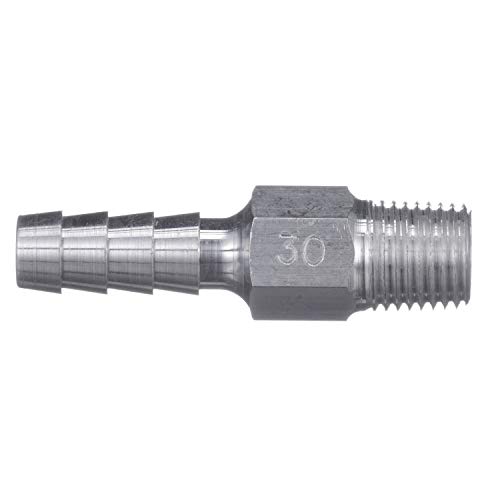
The Attwood solution is a dependable OEM replacement fit for boats needing a secure fuel line connection. It features a male ¼-in. NPT thread paired with a 3/8-in. barb, all in aluminum for corrosion resistance. Best for: anglers and cruisers replacing a worn anti-siphon valve with a trusted marine brand. Caution: verify thread size and barb compatibility with your specific fuel line to ensure a leak-free seal.
Marine Anti Siphon Valve Replacement (Doufuhua) 2 Pack

This two-pack offers a compact anti-siphon valve with ¼” NPT and 3/8″ hose connections designed to prevent siphoning and fuel theft. Best for: boat owners seeking a value-friendly upgrade or replacement that aligns with typical marine fuel tank fittings. Why chosen: broad compatibility and a straightforward one-way design. Limitation: clarity on USCG certification for every installation, so confirm to your local requirements.
Seachoice Anti-Siphon Valve — 1/4 in. NPT
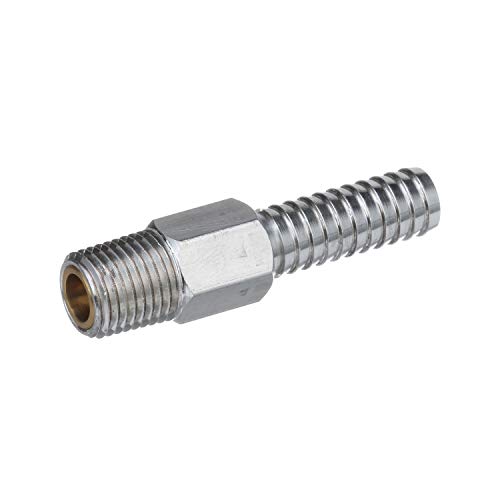
Seachoice offers a durable aluminum anti-siphon valve with 1/4″ NPT threads and 3/8″ hose connections. Best for: boat owners needing a regulator-friendly, corrosion-resistant option that meets USCG standards. This model emphasizes preventing fuel theft and spill. Limitation: as with many aftermarket parts, verify exact fit with your fuel tank setup before purchasing.
Adabuing Marine Anti Siphon Valve Replacement (2 PCS)

This two-pack emphasizes anti-siphon protection for boats, designed to prevent siphoning and spillage. Best for: replacement of blocked valves and for securing pickup tube connections in engines with 1/4″ NPT and 3/8″ hose. Caution: ensure compatibility with your tank outlet and pickup tube length before installation.
BZTT Boat Anti Siphon Valve Fuel Fitting 2 Pack

BZTT provides a 2-pack anti siphon valve fitting designed to block reverse flow and reduce leakage in marina and on-board systems. Best for: customers needing a cost-effective, two-titular solution that fits common 1/4″ NPT and 3/8″ I.D. fittings. Limitation: some installations may require additional adapters for non-standard tank configurations.
Buying Guide: Key Purchase Considerations
- What size connections do you need? Most marine anti-siphon valves use 1/4″ NPT with a 3/8″ hose/barb. Confirm these dimensions against your fuel system to ensure a proper seal.
- Material matters. Aluminum bodies resist corrosion in saltwater environments, but ensure compatibility with your fuel type and tank materials.
- Regulatory alignment. Some products explicitly meet USCG regulations. If you operate in jurisdictions with strict fuel-handling rules, prefer models labeled for USCG compliance.
- Single valve vs. multi-pack. If you have multiple tanks or plan to replace several valves, multi-packs offer savings and consistency across installations.
- Installation considerations. Check whether the valve mounts at the tank outlet, along the pickup tube, or near the engine; incorrect placement can affect fuel flow and siphon prevention.
- Maintenance and replacement intervals. Anti-siphon valves are a maintenance item; plan periodic checks for signs of wear, corrosion, or seals that may have degraded.
FAQ
- What is an anti-siphon valve and why do I need one?
It is a one-way valve designed to prevent fuel from siphoning out of a boat’s fuel tank, reducing theft and spill risk while protecting the fuel system.
- Which size is most common for marine anti-siphon valves?
Most common configurations are 1/4″ NPT with 3/8″ hose/barb connections, but always verify with your tank fittings.
- Are these valves legal or regulatory-compliant?
Many models are designed to meet USCG guidelines; confirm the product labeling and your local regulations to ensure compliance.
- Is a two-pack better than a single valve?
A two-pack is often more economical and convenient if you have multiple tanks or want backups, but check your specific system needs.
- What is the best material for marine anti-siphon valves?
Aluminum bodies are common due to corrosion resistance; verify compatibility with your fuel type and tank materials.
- How do I determine if I need a replacement valve?
Look for fuel leaks, hard starting, or signs of siphon leakage; if unsure, consult a marine technician.