Answering the call for stronger transom reinforcement, these aluminum plates are designed to spread engine loads, reduce stress, and resist corrosion. This guide helps buyers choose the best option for inflatable boats, aluminum hulled crafts, and small to mid-size outboard setups. The top picks are suited for different boats and engine weights, from lightweight inflatable vessels to high-torque outboards. Whether you fish, boat casually, or power through demanding seas, these plates offer durable reinforcement and longer transom life.
Summary table of selected products
| Product | Best For | Why Selected |
|---|---|---|
| Bememo 1 Pcs Outboard Transom Reinforcement Plate | Single-engine setups, moderate loads | High-strength 0.2″ thick aluminum; corrosion resistant; universal compatibility |
| Bememo 2 Pcs Outboard Transom Reinforcement Plate | Two-engine or dual-axial support | Two plates provide added load distribution and redundancy |
| Outboard Transom Reinforcement Backing Plate | Fiberglass/wood-cored transoms | Full-pattern reinforcement; protects against puncture damage |
| Qqmora Boat Engine Transom Support Plate | Widely compatible, older and newer outboards | Heavy-duty aluminum; designed to spread bolt-load |
| T-H Marine Heavy-Duty 6061 Aluminum Transom | High-performance boats | 3/8″ alloy for maximum stability and customized mounting options |
Bememo 1 Pcs Outboard Transom Reinforcement Plate

Reference: 0.2″ thick high-strength aluminum backing plate designed for most outboard motors. It evenly distributes engine loads across the transom and protects fiberglass or wood-cored transoms from puncture damage in rough water. Corrosion-resistant for saltwater or freshwater use. Best for owners needing a single-plate reinforcement with universal compatibility.
Who it’s best for: Sailors and anglers with one outboard engine and standard transoms seeking durable, corrosion-resistant reinforcement. Limitation: a single plate may offer less redundancy than a two-plate setup in very high-load conditions.
Bememo 2 Pcs Outboard Transom Reinforcement Plate

Reference: Set of two 0.2″ thick aluminum plates, offering broader load distribution across dual motor setups or for added redundancy. They share the same corrosion resistance and universal compatibility as the single-plate version. Best for boats with higher engine torque or where extra reinforcement is desired.
Who it’s best for: Owners mounting more than one outboard or seeking extra protection for high-torque engines. Limitation: Requires more installation space and hardware alignment to ensure even load sharing.
Outboard Transom Reinforcement Backing Plate

Reference: 0.2″ thick aluminum plate with a full-pattern design for comprehensive reinforcement. It fits most outboards and protects against stress cracking. Corrosion-resistant and suitable for fiberglass or wood-cored transoms.
Who it’s best for: Boat owners needing a robust, all-around reinforcement for diverse transom materials. Caution: Verify OE patterns and mounting dimensions for precise fit on older models.
Qqmora Boat Engine Transom Support Plate

Reference: Heavy-duty aluminum plate with 3/8″ thickness and multiple predrilled holes, designed to spread load from mounting bolts and engine weight. Broad compatibility with many post-1986 outboards that do not use twist clamps. Best for older models needing reinforcement without major fabrication.
Who it’s best for: Mariners with a variety of outboard brands that require reliable load distribution. Limitation: Double-check OE numbers and motor model compatibility before purchase.
T-H Marine Heavy-Duty 6061 Transom Plate
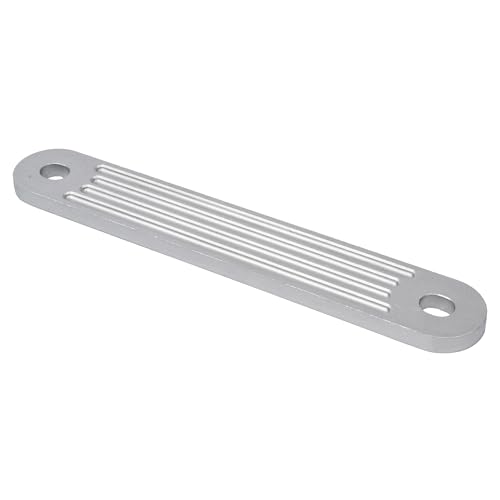
Reference: 3/8″ thick 6061 aluminum construction with high-performance load distribution. Aimed at boats requiring strong transom reinforcement and options for multiple mounting configurations (TSP-1, TSP-2). Best for performance-minded boats that face heavy engine torque and saltwater exposure.
Who it’s best for: Performance boat owners and serious anglers needing a durable, customizable reinforcement solution. Limitation: Higher weight and potential mounting complexity for smaller craft.
Camoo TSP-2DP Transom Plate

Reference: 12″ x 2″ plate, 3/8″ thick with 10 holes. Designed to fit lower bolt hole patterns across major manufacturers. Helps distribute engine mounting stresses and protect the transom to prolong its life. Best for standardized mounting patterns and easy compatibility.
Who it’s best for: Users needing a straightforward, widely compatible plate for standard bolt patterns. Limitation: Not all non-standard patterns may be supported; verify fit with your specific motor model.
Buying Guide
Key considerations when selecting an aluminum transom reinforcement plate:
- Engine weight and torque: Heavier engines require thicker plates and possibly multiple plates for even load sharing.
- Transom material: Wood-cored or fiberglass transoms benefit from full-pattern reinforcement to prevent puncture and stress.
- Compatibility: Ensure the plate matches your motor brand, model, and mounting pattern. Some plates are universal; others require OE number checks.
- Corrosion resistance: Aluminum alloys that resist saltwater corrosion extend plate life in marine environments.
- Installation constraints: Consider plate thickness, bolt hole alignment, and available mounting space on the transom.
- Redundancy vs. single-plate setups: Two-plate kits provide extra protection for high-load applications.
Frequently Asked Questions
- What is the typical thickness for transom reinforcement plates?
– Common options are 0.2 inches (5 mm) to maximize strength while keeping weight manageable. - Will these plates fit any outboard motor?
– Many are designed for universal compatibility, but always verify mounting patterns and OE numbers for your motor. - Do I need one plate or multiple plates?
– Single plates suit lighter engines; two-plate kits offer higher load distribution for heavier engines. - Can reinforcement plates prevent transom damage in saltwater?
– Yes, corrosion-resistant aluminum plates help distribute loads and reduce stress around mounting bolts, protecting the transom over time. - Are there maintenance considerations after installation?
– Inspect the mounting bolts and plate surface periodically for signs of wear or corrosion, especially in harsh conditions.