Looking for reliable protection for aluminum hulls or pontoons? These top picks are selected for durability, ease of use, and compatibility with aluminum boats. They are ideal for buyers seeking barrier coats, sealers, or anti-corrosion protection that stands up to marine environments. The list targets boaters who want long-lasting protection with minimal maintenance.
Summary of selected products:
| Product | Best For | Why It Stands Out |
|---|---|---|
| TotalBoat Aluminum Boat Barrier Coat (Quart) | Acidic/underwater protection for aluminum hulls | Two-component epoxy primer and barrier coat with fast drying and no-sand coats |
| Fasco Epoxies Super Slick 2000 Epoxy Bottom Coating | Ultra-slick hull surface for reduced drag | Two-part epoxy with PTFE; durable and abrasion-resistant |
| TotalBoat TotalProtect Epoxy Barrier Coat System (Gray, Quart) | Barrier coat above and below waterline | High-build epoxy; great for blister prevention on fiberglass and metals |
| Travaco RM330K Marine-Tex Gluvit Waterproof Epoxy Sealer (2 lbs) | Leaking seams, rivets, and small leaks | Seals hulls, decks, aluminum joints; versatile for multiple materials |
| TotalBoat Aluminum Boat Leak Sealer | Leak repair and sealing on aluminum | Two-part, flexible epoxy sealer with long working time |
TotalBoat Aluminum Boat Barrier Coat (Quart)

Best for aluminum hulls and pontoon boats needing corrosion prevention. This product is a high-build, two-component epoxy primer and barrier coat that can be overcoated with bottom paints or other 1- and 2-part paints. It provides superior protection on all underwater metals and dries quickly without sanding between coats.
Who it’s for: boaters seeking robust corrosion protection with a straightforward application, particularly for aluminum boats exposed to chlorinated or salted water. Why chosen: durable barrier coat that simplifies maintenance by allowing overcoating without extensive surface prep.
Caution: ensure proper mix ratios and ventilation during application to achieve optimal film integrity and cure.
Fasco Epoxies Super Slick 2000 Epoxy Bottom Coating

Best for hulls requiring a notably slippery surface to reduce drag. This is a premium two-part epoxy bottom coating formulated with PTFE and friction-reducing additives, delivering a sleek finish across aluminum hulls, airboats, jon boats, and more. Engineered for durability and long-lasting protection in tough marine settings.
Who it’s for: boaters chasing the best possible glide and reduced fuel use with a slick epoxy finish. Why chosen: proven performance and a durable barrier against abrasion and marine exposure.
Caution: the product is a two-part system; ensure precise mixing and adequate curing conditions for optimal results.
TotalBoat TotalProtect Epoxy Barrier Coat System (Gray, Quart)
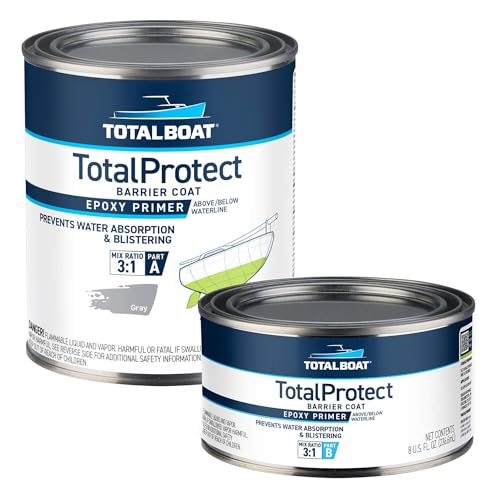
Best for barrier coating both above and below the waterline with strong blister prevention. This high-build two-part epoxy primer and barrier coat delivers superior protection on all underwater metals and supports long-term durability for fiberglass boats as well. Suitable for repair work and new installations alike.
Who it’s for: boat owners needing a dependable barrier coat that works with multiple substrates and provides reliable corrosion control. Why chosen: versatile performance across different hull materials and environments.
Caution: follow the recommended pot life and cure times; improper timing can affect adhesion and final film properties.
Travaco RM330K Marine-Tex Gluvit Waterproof Epoxy Sealer
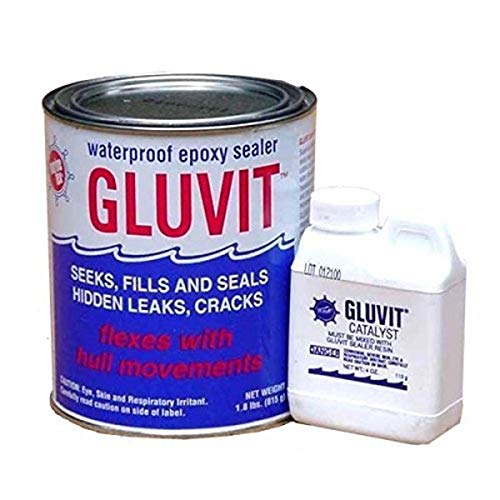
Best for sealing fiberglass, wood, aluminum hulls, and steel. Gluvit provides a barrier coat to seal leaks around seams, rivets, or joints, and is effective for protecting hulls and decks from moisture penetration. It’s a versatile option for temporary or emergency sealing as part of ongoing maintenance.
Who it’s for: boaters needing a reliable sealant for leaks and seam protection in mixed-material hulls. Why chosen: proven utility across multiple substrates with straightforward application.
Caution: check compatibility with other coatings and temperature constraints during application to ensure effective sealing.
TotalBoat Aluminum Boat Leak Sealer

Best for easy-to-use, two-part, flexible epoxy sealer to repair leaks around rivets and seams and patch small holes on aluminum boats. It provides a long working time (about 75 minutes at 72°F), enabling careful penetration and a solid seal. Suitable for low-temperature work around 40°F on prepared surfaces.
Who it’s for: boat owners needing reliable, flexible sealing for aluminum hull repairs. Why chosen: combination of work time and adhesive flexibility accommodates uneven surfaces and movement.
Caution: ensure surface preparation and ambient temperature meet product guidelines to achieve optimal adhesion and seal integrity.
Buying Guide: Key Considerations For Aluminum Boat Bottom Protection
What should you look for when selecting aluminum boat bottom protection?
- Material compatibility: aluminum hulls require coatings that resist corrosion without compromising aluminum integrity.
- Barrier vs. bottom paint: barrier coats protect against water intrusion and blistering, while bottom paints provide long-term aesthetic and hull protection.
- Two-part vs. one-part systems: two-part epoxies often offer stronger protection but require precise mixing and timing.
- Drying and curing times: faster-drying products reduce downtime but require careful sequencing when applying multiple coats.
- Operating environment: consider water salinity, temperature, and exposure to debris when choosing coatings.
- Surface prep requirements: some products demand etching or cleaning to maximize adhesion and durability.
- Ease of sanding and overcoating: if you plan to apply additional paints, choose compatible systems and appropriate overcoating windows.
Frequently Asked Questions
- What is a barrier coat, and why is it used on aluminum boats?
A barrier coat creates a protective layer between the metal surface and bottom paints, reducing corrosion, blistering, and water intrusion on aluminum hulls. - Can I use bottom paint directly on aluminum without a barrier coat?
Some paints may adhere, but a barrier coat is generally recommended for long-term protection and to prevent corrosion and blisters. - Is two-part epoxy more effective than one-part paints for aluminum hulls?
Two-part epoxies usually offer greater chemical resistance and better long-term protection, especially under the waterline. - What temperatures are suitable for applying epoxy paints and sealers?
Most products specify a minimum substrate temperature (often around 40°F/5°C) and ambient conditions; follow the manufacturer’s guidelines for best results. - How do I choose between a sealer like Gluvit and a barrier coat?
Use Gluvit for sealing seams and leaks, and barrier coats for comprehensive corrosion protection on bare or treated aluminum surfaces. - Do these products require sanding between coats?
Some barrier coats are designed to dry without sanding between coats, while others may require light sanding for adhesion; consult the product’s directions.