When choosing an adhesive for an inflatable boat, objective performance and compatibility with PVC and vinyl are essential. This guide focuses on industrial and consumer-grade vinyl cements and patch kits that perform well in wet conditions, resist UV exposure, and stay flexible after curing. It spotlights buyers who need durable repairs, long-lasting seals, and easy-to-use patches for inflatables, rafts, and boats. Below, find a quick table of the top five products and who benefits most from each option.
| Product | Best For | Why It Stands Out |
|---|---|---|
| HH-66 Vinyl Cement 4 oz — RH Adhesives | Pro-grade repairs on PVC and vinyl inflatables | Industrial-strength, underwater bonding capability, remains flexible across wide temperatures |
| GEAR AID Aquaseal FD 0.75 oz | General leaks on waders, inflatables, and outdoor gear | Waterproof, flexible, cures to urethane rubber with patching versatility |
| Bellisinno Vinyl Cement (4.4 oz) | Long-term repairs on pools, tarps, and boats | Strong adhesion, underwater durability, UV-stable patch performance |
| HOOK UP Vinyl Contact Cement 4 oz | Fast repairs on pools and inflatables | Fast-drying, waterproof, specifically formulated for vinyl materials |
| PVC Stitch Liquid Patch Patch Kit | Liquid patch repairs on PVC inflatable surfaces | One-part liquid patch that cures to a tough seal with 2–6 hour handling time |
Note: This article presents objective information about each product’s intended use and material compatibility. It avoids personal opinions and marketing fluff, focusing on how each adhesive or patch kit addresses common inflatable boat repair scenarios. Use the Buying Guide and FAQ to tailor choices to your specific needs.
HH-66 Vinyl Cement 4 oz — RH Adhesives

Best for professional-grade repairs where a strong, flexible bond matters. This vinyl cement penetrates PVC and vinyl surfaces, bonding efficiently across a wide temperature range and even underwater. It remains flexible after curing, reducing the risk of cracking at seams on inflatable boats, tarps, and pool liners. Designed for long-lasting performance in marine environments, it’s a strong choice for serious refurbishment or manufacturing settings. Best for: professional repairs, harsh conditions, and long-term durability.
Limitation: Requires careful surface preparation and curing time to achieve maximum bond strength in cold or damp conditions.
GEAR AID Aquaseal FD Flexible Durable Repair Adhesive

Best for fixing rips on waders, wetsuits, and PVC inflatables where a waterproof, flexible seal is needed. Aquaseal FD cures to a flexible urethane rubber, forming a durable patch that resists water intrusion. It is suitable for neoprene, nylon, canvas, leather, and GORE-TEX fabrics, making it versatile for outdoor gear beyond inflatables. Best for: quick, watertight repairs on outdoor gear and flexible fabrics.
Limitation: Cure time is typically 8–12 hours, so plan repairs accordingly to avoid re-opening the seam during use.
Bellisinno Vinyl Cement for Inflatables

Best for underwater and outdoor use where a transparent, durable bond is essential. This vinyl cement provides strong adhesion and a flexible finish, with UV resistance to prevent yellowing over time. It supports repairs on PVC, vinyl, and other flexible materials typical in inflatable boats, pools, and sails. Best for: long-lasting repairs with UV stability and underwater bonding capability.
Limitation: As with many vinyl cements, surface cleanliness and dry conditions improve bond quality; avoid applying in very humid environments if possible.
HH-66 Toluene Free Vinyl Cement 1 oz
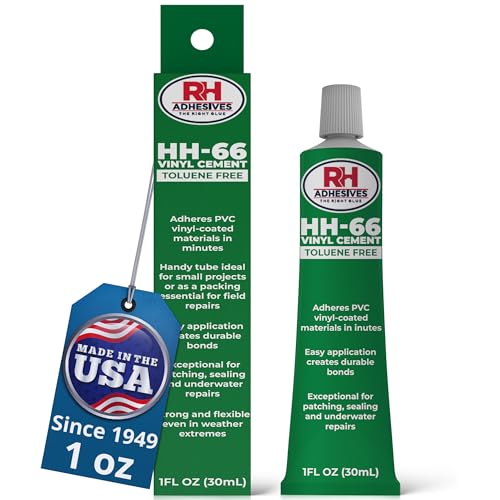
Best for safer, environmentally conscious repairs where a standard HH-66 performance is required without toluene. It bonds PVC and vinyl surfaces including underwater applications and maintains flexibility after curing. It is a compact option for on-the-go repairs on inflatables and marine vinyl. Best for: safer solvent choice with professional-grade bonding.
Limitation: The smaller 1 oz size may require multiple applications for larger repairs, potentially increasing time to complete a project.
AquaPro Liquid Patch Patch Kit
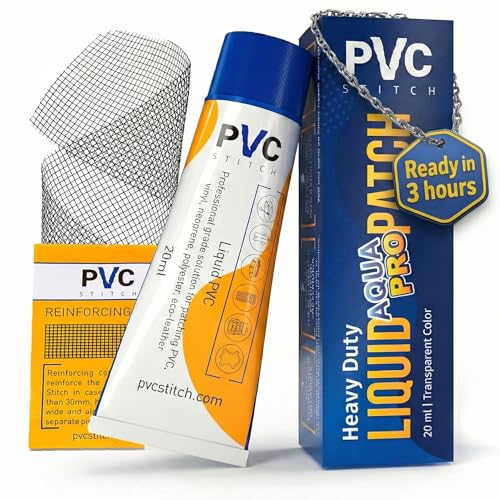
Best for a DIY patch approach with liquid sealant suitable for various inflatables, hot tubs, and pool liners. AquaPro emphasizes water resistance, UV resilience, and heat/cold tolerance, offering patch and sealant capabilities in one kit. Best for: those who prefer a ready-to-use patch system with general-purpose marine compatibility.
Limitation: It may require precise application to ensure a uniform seal, and curing times vary with ambient temperature and humidity.
HOOK UP Vinyl Contact Cement 4 oz

Best for fast, dependable vinyl repairs on pools, inflatables, and tarps. HOOK UP concentrates on creating a strong waterproof bond that dries quickly, reducing downtime between repair and use. Best for: quick-turn repairs and situations where time is a factor.
Limitation: Fast-drying formulas can be less forgiving for large repairs that require careful alignment or smoothing of edges.
PVC Stitch Liquid Patch – Air Mattress Patch Kit

Best for a one-part liquid solution that cures into a durable patch. It is versatile for PVC, PU, and vinyl surfaces found on inflatables, boats, and hot tubs. Best for: straightforward patching without needing separate patch materials.
Limitation: The patch may require longer cure times for high-pressure applications; ensure the surface is clean before application.
Buying Guide
What type of adhesive do you need for an inflatable boat?
Choose a vinyl cement or patch kit designed for PVC and vinyl. Look for underwater bonding, weather resistance, and flexibility after curing to prevent future cracks at seams.
Should you pick a solvent-based or water-based formula?
Solvent-based vinyl cements typically offer stronger initial bonds and quicker set times, but can be more hazardous. Toluene-free options are available for safer use around water and living spaces, such as HH-66 TF.
Is patching or cementing better for large tears?
For large rips, a combination approach often works best: apply a vinyl cement bond around the tear and then reinforce with a patch. Patch kits paired with compatible adhesives provide extra durability.
What about cure time and temperature?
Adhesives perform best within the manufacturer’s recommended temperature range. Cold or damp conditions can slow curing and reduce bond strength. Plan repairs during mild, dry conditions when possible.
Are there safety considerations?
Use in well-ventilated areas. Follow product safety data sheets for skin contact and inhalation risks. Some formulas are solvent-based; opt for toluene-free versions if needed.
How to choose for ongoing maintenance?
For ongoing maintenance, stock a primary vinyl cement for repairs and a compatible patch kit. Consider having a small, high-quality adhesive for quick fixes and a larger container for major repair work.
FAQ
- What is the best adhesive for inflatable boats?
- Can these adhesives be used underwater?
- Do I need a patch with vinyl cement?
- How long does it take for repairs to be usable after application?
- Are there safer, solvent-free options available?
Answers: The best option depends on the tear size and material. Many vinyl cements bond under water and remain flexible after curing. A patch combined with cement often yields the strongest result. Cure times vary; plan repairs to avoid water exposure during curing. Safer, toluene-free formulas are available for environmentally conscious use.