Finding the right 4-stroke outboard oil helps protect marine engines from wear, heat, and moisture-related damage. This guide highlights five well-performing options and explains who they’re best for. Use this to match oil types to your engine’s needs, climate, and operating conditions.
| Product | Best For | Key Benefit |
|---|---|---|
| Quicksilver 10W-30 Marine Engine Oil | Moderate-use to frequent outboard users | Marine-grade formulation for wear protection |
| Valvoline 4-Stroke Marine Full Synthetic Engine Oil 1 Gallon | High-demand, extreme heat, high RPM | Strong wear and rust defense |
| Valvoline 4-Stroke Marine Full Synthetic Engine Oil 1 Quart | Smaller engines or top-ups | Same protection in a compact package |
| Castrol Power1 4T 10W-40 Full Synthetic Motorcycle Oil | All-purpose option for varied engines | Trizone protection for engine, clutch, gearbox |
| Yamaha New OEM Yamalube 4M 10W30 4-Stroke Outboard Oil | Conventional oil for traditional engines | Good corrosion and wear protection |
Quicksilver 10W-30 Marine Engine Oil

Quicksilver 10W-30 Marine Engine Oil is formulated for 4-stroke outboards requiring a mineral-based or low-viscosity synthetic blend. It prioritizes wear protection during regular boating cycles and is suitable for mid-range RPM usage. Best for: boaters who want a straightforward, marine-grade option without specialized synthetic performance claims.
Caution: Limited data on extreme heat protection compared with full synthetics. Best used for engines that do not operate at very high RPM for long durations.
Valvoline 4-Stroke Marine Full Synthetic Engine Oil 1 Gallon

Valvoline’s 1-gallon full synthetic formulation targets 4-stroke marine engines with high heat and RPM demands. It emphasizes wear protection and rust defense while addressing moisture exposure common in marine environments. Best for: larger outboards or boats used in warmer climates with frequent high-load operation.
Limitation: The data highlights strong rust protection, but customers should verify compatibility with their exact engine model as some motors prefer specific viscosities.
Valvoline 4-Stroke Marine Full Synthetic Engine Oil 1 Quart

This quart-sized option mirrors the gallon’s protective benefits in a smaller package, making it convenient for top-ups and smaller engines. Best for: boaters who only need occasional small-volume oil changes or space-limited storage. Caution: Ensure you have the correct viscosity for your engine model when mixing oils over time.
Castrol Power1 4T 10W-40 Full Synthetic Motorcycle Oil

Castrol Power1 4T 10W-40 is marketed for motorcycles, featuring Trizone technology to protect engine, clutch, and gearbox. While not specifically labeled for marine use, some owners apply it in certain outboard setups where the manufacturer approves it. Best for: owners seeking a single oil for multi-application scenarios, with caution to confirm compatibility with marine seals and gaskets. Limitation: Not marine-certified; check engine compatibility before use.
Yamaha New OEM Yamalube 4M 10W30 4-Stroke Outboard Oil
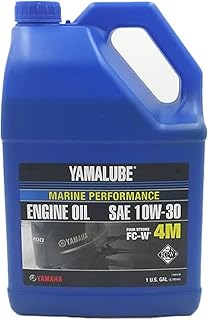
Yamalube 4M 10W30 is Yamaha’s OEM option designed for many modern Yamaha outboards. It provides conventional, mineral-based protection with notable corrosion and wear defense. Best for: Yamaha engine owners seeking factory-recommended oil with stable shear performance. Caution: Availability may be tied to OEM channels; confirm model compatibility before purchase.
Buying Guide
Key considerations when choosing a 4-stroke outboard oil:
- Engine type and viscosity: Most four-stroke outboards use 10W-30 or 10W-40; verify your owner’s manual for the exact specification.
- Synthetic vs mineral-based: Full synthetic oils offer better high-heat protection and longer drain intervals, while mineral-based oils can be adequate for light use or older engines.
- Climate and usage: Warmer, high-RPM conditions demand stronger wear and rust defenses; frequent saltwater use benefits from rust protection.
- OEM recommendations: When possible, follow the engine manufacturer’s preferred oil brand and formulation for warranty and performance considerations.
- Container size: Choose gallon or quart sizes based on your planned maintenance schedule and available storage space.
- Moisture protection: Marine environments introduce moisture; select oils that advertise rust and corrosion defense if your boat is often idle or stored in humidity.
Frequently Asked Questions
- What is the typical oil viscosity for 4-stroke outboards?
Most 4-stroke outboards use 10W-30 or 10W-40; always check your engine manual.
- Is synthetic oil better for marine engines?
Yes, full synthetic oils generally offer improved wear protection and heat stability, especially under high-load conditions.
- Can I mix brands of 4-stroke outboard oil?
Mixing brands is not recommended; use the same viscosity and specification consistently to avoid compatibility issues.
- How often should I change outboard oil?
Follow the engine manufacturer’s intervals, but many boaters alternate between seasonally and usage-based drains.
- Should I use OEM oil versus aftermarket options?
OEM oils often align with warranty requirements, but high-quality aftermarket synthetic oils can meet or exceed spec if they match the viscosity and approval list.
- What are signs that oil needs to be changed?
Dark color, burning smell, or increased engine temperature can indicate the need for an oil change.