If you’re choosing an LPG solenoid valve for marine use, safety, reliability, and compatibility with 12V systems are essential. This guide highlights five top marine-friendly LPG solenoid valves, explaining who each is best for and why. The selections emphasize corrosion resistance, fail-safe shutoff, and suitability for tight marine spaces. Whether you’re outfitting a small dinghy, a sailboat, or a larger vessel, these options help you manage propane, LPG, or related gas systems with confidence.
| Product | Best For | Key Benefit |
|---|---|---|
| Trident Marine 1300-7708.2-KIT | Boats with 12V LPG control systems | Brass body with corrosion resistance; automatic shutoff on low current |
| FJXBYWM Solenoid Valve | Compact RV/travel setups | 180° fitting angle; stainless/brass build; automatic shut-off |
| 12V LPG Lockoff Valve (Generic) | Automotive/compact LPG control | UL Listed; standard 1/4″ NPT connections; dual-wire 12V |
| U.S. Solid 1/4″ Brass Electric Solenoid | High-temperature, high-cycle marine use | VITON gasket; fast actuation; robust brass construction |
| Datanly 12V Solenoid Valve LPG | Sturdy, stainless steel option for gas lines | Precise 1/4″ NPT ports; 180° mounting; robust for propane and natural gas |
Trident Marine 1300-7708.2-KIT: Low-Pressure LPG Valve

Best For: Boats needing a compact, low-pressure LPG control valve within a 12V system. This brass-bodied unit includes 1/4″ female NPT ports and fittings, plus a hex nipple and flare adapter for adaptable plumbing on small to mid-sized vessels. It offers corrosion resistance and automatic shutoff when current is low or lost, reducing risk during power issues at sea.
Why Selected: Its marine-focused design emphasizes reliability in salty environments and a straightforward install for boatowners who want a dedicated LPG control kit.
Caution: Data notes that the 12V solenoid kit is for use with LPG control/detection systems not included—plan the electrical and detection components accordingly on your boat.
U.S. Solid 3/8″ Brass Electric Solenoid Valve

Best For: Marine projects requiring higher flow and greater pressure handling, with direct-acting operation and a 12V design. Brass construction favors durability in salt air and heat-heavy engine compartments.
Why Selected: The valve’s robust brass body supports higher-temperature applications and multiple fuels, making it a strong choice for critical gas control paths on boats that demand reliability over long voyages.
Caution: Not recommended for drinking water projects due to brass composition; verify compatibility with your marine plumbing and fuel system before installation.
FJXBYWM Solenoid Valve: LPG 12V Lock Off
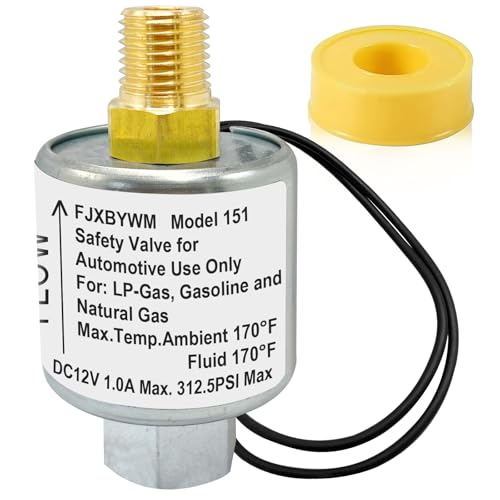
Best For: RVs, trailers, and mobile marine setups needing a compact lock-off valve with 1/4″ NPT threads. The 180° fitting angle helps fit tight spaces common in boats and RV compartments.
Why Selected: Built with stainless steel and brass and featuring automatic shut-off on power loss, it provides a practical safety layer for portable propane use on smaller vessels.
Caution: The instruction notes polarity is not required for the two black wires; ensure correct wire routing within your boat’s electrical system and confirm gas compatibility before use.
12 Volt LPG Shut-off Valve: 1/4″ NPT
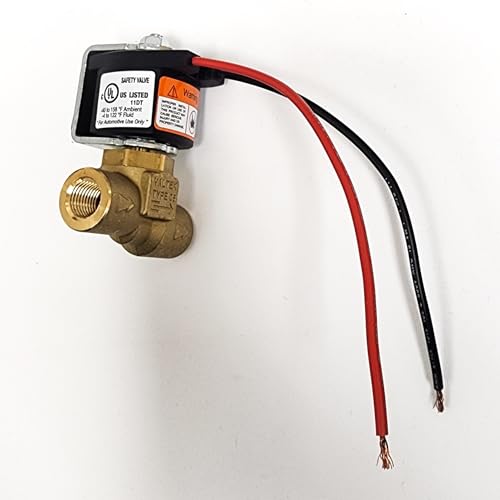
Best For: Automotive- and marine-oriented setups that need a UL-listed, 12V DC shut-off with simple wiring. Its 1/4″ port size supports common LPG lines on small to mid-sized boats.
Why Selected: The UL listing and automotive-grade design provide a benchmark of safety and predictable operation in marine environments, especially where quick power-off is critical.
Caution: This valve is a general-purpose LPG device; verify gas type compatibility (liquefied vs vapor) with your system layout to avoid misapplication on specialized equipment.
U.S. Solid 1/4″ Brass Electric Solenoid Valve

Best For: High-reliability marine installations with frequent actuation, small footprint, and fast response times. The 1/4″ brass valve is suited for precise gas flow control on compact marine lines.
Why Selected: Its fast actuation (less than 1 second) and high-cycle life make it a dependable choice for critical gas shutoff on boats where quick, predictable responses are needed in emergencies.
Caution: Brass composition means it should not be used with drinking water projects; confirm that all materials in contact with LPG are compatible with your vessel’s system.
Datanly 12V Solenoid Valve LPG

Best For: Stainless steel construction lovers who need a robust valve for propane or natural gas systems on boats, with a 1/4″ NPT port and 180-degree mounting flexibility.
Why Selected: The stainless steel build offers durability against marine salt exposure, while the 12V operation and gas compatibility fit common boat gas-management configurations.
Caution: Ensure your LPG system is designed for 12V electromechanical control and that the valve’s chemical compatibility matches your fuel type and regulator setup.
Buying Guide: Key Considerations for Selecting Marine LPG Solenoid Valves
What matters most for marine LPG shut-off valves is safety, reliability, and compatibility with boat systems. Use these practical criteria to compare options.
- Voltage and power: Choose 12V DC valves to match typical marine electrical systems. Consider current draw and heat generation for battery life and wiring.
- Material and corrosion resistance: Brass and stainless steel housings resist salt air and water exposure, extending valve life on deck and engine compartments.
- Port size and connection type: Most marine LPG lines use 1/4″ NPT fittings. Ensure inlet/outlet orientation (female/male) matches your piping layout and space constraints.
- Fail-safe behavior: Look for automatic shut-off on loss of power or low current to prevent gas leaks during electrical faults or emergency scenarios.
- Seals and compatibility: VITON gaskets offer high-temperature and chemical resistance. Avoid brass valves for drinking water lines unless explicitly permitted by your system design.
- Mounting and installation: Consider 180-degree mounting capability for tight spaces. Check installation clearances around regulators, hoses, and valves to prevent heat buildup and vibration wear.
- Safety and certification: UL listing and marine-grade certifications help ensure compliance with safety standards for fuel systems on boats.
FAQ
- What is a marine LPG solenoid valve best used for?
It acts as a controlled shut-off for LPG lines on boats, enabling automatic or remote safety control in gas systems.
- Do all marine LPG valves require 12V power?
Most do, as 12V DC is standard for boat electrical systems. Verify the coil voltage on each unit before purchase.
- Can I use brass valves with drinking water on a boat?
Typically not. Brass valves are best used for gas and fuel lines; consult your boat’s plumbing and safety guidelines before deploying any brass fluid component in water systems.
- What should I consider for space-limited installations?
Look for valves with 180-degree mounting capability, compact port spacing, and flexible inlet/outlet orientations to fit confined engine rooms or cabins.
- Are UL-listed valves safer for marine use?
UL-listed components provide a recognized safety standard; use them when possible for reliability and compliance in gas systems aboard ships or boats.
- How do I determine compatibility with my LPG system?
Check port size (usually 1/4″ NPT for these valves), connection types (inlet/outlet), chemical compatibility with LPG, and the valve’s sealing material (e.g., VITON).