Lazy jacks simplify sail handling by guiding the mainsail into a neat stack as you drop or reef it. This article highlights five effective options for American sailors seeking reliable, fabric-friendly sail organization on boats from about 31 to 46 feet. Each choice targets different boat sizes, rig configurations, and comfort with pre-spliced lines. The featured products are suitable for cruising and short-handed crews who want safer, quicker sail management without compromising performance.
| Product | Best For | Notes |
|---|---|---|
| Nautos 001R – Type A (Small) | Smaller sailboats up to 31′ | Includes rope; good for compact systems |
| Nautos 003R SPLICE – Type C (Large) | Bigger boats 39–46 ft | Pre-spliced components; robust for larger rigs |
| Nautos 002R Splice – Type B (Medium) | Mid-size cruisers | Spliced blocks; balanced option |
| Harken Lazy Jack Kit (Large) | Mid to larger boats (35–42 ft) | Brand with established performance |
| Nautos 003R-LAZY Jack System C (Large) | Large sailboats | Size-matched system with rope included |
Nautos 001R – Lazy Jack Type A – Small Size
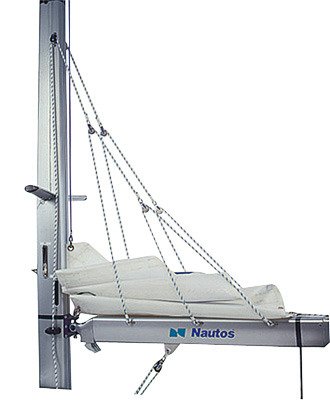
Best for small-boat owners seeking a complete, rope-included solution without spliced components. The kit emphasizes a straightforward mainsail system and sail organization. Ideal for sailors with up to a 31-foot vessel or those upgrading from basic halyard-based sail handling. The included rope color may vary, which can affect visibility or matching with existing lines. Consider this option if you want an affordable, all-in-one lazy jack kit with easy installation.
Nautos 003R SPLICE – Type C (Large)

Best for boats from 39 to 46 feet that benefit from pre-spliced components and robust hardware. This kit includes 2 top mast returns, multiple cascade blocks, and boom-attached straps. It is the pick for larger rigs where reliability and reduced on-deck adjustments matter most. A potential limitation is the length and complexity of the installation on bigger masts—verify compatibility with your spar layout.
Nautos 002R Splice – Type B (Medium)

Best for mid-size cruisers seeking a balanced option with spliced blocks. The kit combines 2 top mast returns and 6 cascade blocks with a splice layout that can simplify deployment and reefing. Choose this if you want reliable mid-range performance and a system that’s easier to retrofit on boats between 30–40 feet. A possible caveat is maintaining proper tension across all lines over time.
Nautos 001R Splice – Type A (Small)
Best for sailors who want premium rope included and tightly spliced blocks. The kit features 180′ double-braid rope, top mast return blocks, and pre-spliced cascade blocks. This option suits small to mid-sized boats where compact spliced hardware reduces line clutter. Consider if you prefer a fully integrated system with high-quality rope and ready-to-use spliced blocks. The longer rope length may require proper stowage when not in use.
Nautos 003R-LAZY Jack System C (Large)
Best for boats in the 39–46 feet range needing a complete, large-lake lazy jack setup with a rope-included kit. It emphasizes full compatibility with longer mainsails and reefing strategies on larger sloops. The pre-configured elements aim to minimize on-deck adjustments during sail handling. A limitation could be the heavier hardware footprint and more involved installation on smaller craft that do not require such capacity.
Buying Guide: How to Choose Lazy Jacks For Your Sailboat
What size is your boat, and what mainsail configuration do you use? For boats under 31 feet, go with a compact, rope-included kit. For mid-size 30–40 foot boats, prioritize balanced blocks and easy installation. For larger 39–46 foot boats, select robust, pre-spliced or C-type systems with additional mast returns.
Should you prefer pre-spliced components or rope-included kits? Pre-spliced systems reduce on-site assembly time and potential line fraying. Rope-included bundles make sense if you want a ready-to-use kit without sourcing extra rope. Consider the quality of blocks and mounting hardware; better blocks reduce jam during handling and improve overall sail control.
What about installation complexity? Some kits require significant rigging work on the mast and boom, while others offer plug-and-play configurations. If you lack advanced hardware skills, choose a kit with clear instructions, fewer parts, and strong supplier support. Always verify compatibility with your mast height, boom length, and existing rigging hardware.
Maintenance and replacement: Lazy jack lines and blocks should be inspected seasonally. Check for wear on the rope, blocks, and attachment points. Replacing worn components promptly extends system life and reduces the risk of sail-tangle during storms or heavy weather handling.
FAQ — Fast Answers For Buyers
- What is a lazy jack system? A set of lines and blocks that guide and catch a mainsail as it is reefed or lowered, keeping the sail tidy on deck.
- Which size lazy jack kit do I need? Match the kit to your boat length and mainsail size. Smaller boats use compact kits; larger boats require more heavy-duty, multi-block systems.
- Do I need pre-spliced components? Pre-spliced parts reduce on-site assembly and are helpful for quicker setup, especially on larger boats.
- Are lazy jacks compatible with full-batten mainsails? Yes, they work well with full-batten sails and can improve sail handling during reefing and dousing.
- Can I install lazy jacks myself? Yes, if you’re comfortable with basic rigging. For complex mast configurations, consider professional installation.
- Do lazy jacks affect sailing performance? Properly sized systems aid sail control and convenience, with no direct negative impact on performance when installed correctly.