Answering the buyer’s search, these self-tailing winches simplify line handling and sail trimming for sailors of various experience levels. Ideal buyers include coastal cruisers seeking reliable gear, weekend racers needing quick trim, and new boat owners upgrading existing systems. The top picks below balance performance, maintenance, and ease of use, with clear reasons to choose each option based on application and boat size.
Summary table of selected products:
| Product | Key Feature | Best For |
|---|---|---|
| Single speed, 2:1 gear, 15.8:1 power ratio | Small to mid-size sailboats; easy upgrades | |
| Single speed, 2:1 gear, 15.8:1 power ratio | Similar installations with preferred aesthetic | |
| Self-tailing, 2:1, 15.8:1 | Mid-sized boats needing reliable performance | |
| Two-speed (2.1:1 / 4.2:1), 15.8:1 | Larger headsails; versatile gearing | |
| Diagonal ribs for grip; self-tailing | Racers or cruisers seeking precise control |
Lewmar 15ST EVO Grey Self-Tailing Winch

The 15ST EVO Grey is a single-speed winch with a 2:1 gear ratio and a power ratio of 15.8:1. It uses a gray black anodized alloy drum and a stainless steel top-mounted feeder arm to minimize line trap above the jaws. The design emphasizes tool-free assembly, allowing you to unscrew the cap and access the gear train quickly. Best for small to mid-size cruisers that want straightforward operation and minimal maintenance.
Best for: boats needing reliable, straightforward winching on smaller sheets. Choose this if you value quick DIY service and clean aesthetics in gray hardware.
Caution: ensure compatibility with rope diameters and confirm the drum material suits your typical line load to avoid excessive wear.
Lewmar 15ST EVO Black Self-Tailing Winch

This black version mirrors the Grey EVO with a single speed, 2:1 gear, and 15.8:1 power ratio on an aluminum drum. The self-tailing mechanism, wave spring jaws, and top-mounted feeder arm work together to reduce line snag and friction. Best for crewed boats where a sleek, low-profile winch is preferred and performance remains consistent under load.
Best for: boats needing a uniform look or darker hardware on deck. Better for settings where aesthetics matter as much as function.
Caution: color choice does not change performance; verify deck fitment and drum diameter against existing winch bases.
Lewmar Ocean 16CST Aluminum Self-Tailing Winch
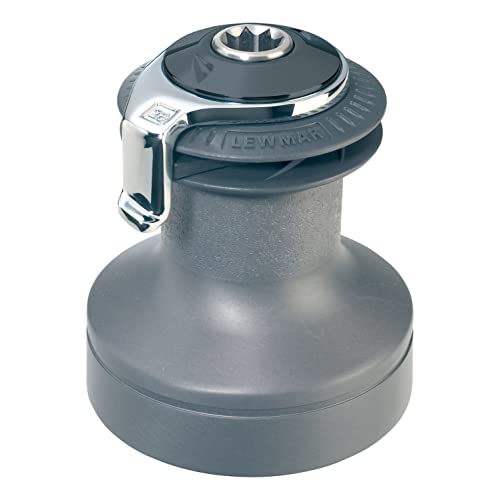
The 16CST is a single-speed winch with a 2:1 gear ratio and a 15.8:1 power ratio, featuring an easy-to-maintain design and a gray anodized aluminum drum. The streamlined feeder arm minimizes friction and line snag, making it a strong choice for mid-sized boats. Best for sailors who want a balanced mix of durability and simple maintenance.
Best for: mid-sized cruising boats needing dependable performance with easy maintenance. Choose this if you want a classic Lewmar option with proven parts availability.
Caution: ensure the drum diameter and base fit your existing deck pattern; mismatches may require mounting adjustments.
Lewmar Ocean 30CST Aluminum Two-Speed Winch
The 30CST provides two speeds: 2.1:1 in first gear and 4.2:1 in second gear, both delivering a 15.8:1 power ratio. It uses a two-speed setup to handle larger rodes and heavier loads, ideal for boats with bigger sails. Best for larger sailboats or those that frequently handle heavy lines. A good pick for flexible gearing under varying wind conditions.
Best for: larger boats or crews needing variable gearing without changing winches. Choose this if you regularly trim heavy sheets and want gear options on deck.
Caution: two-speed systems add complexity; ensure you have space for the taller drum and check compatibility with existing deck hardware.
Harken Radial Self-Tailing Size 20

The Harken Radial Size 20 self-tailing winch features a specialized drum surface with diagonal ribs for superior gripping power and reduced line wear. The self-tailing mechanism enables one crew member to trim sails efficiently. Best for sailors seeking high grip and reduced rope wear on larger lines.
Best for: racers or cruisers requiring strong grip and durable line handling. Choose this if you value gripping power and a design tailored to minimizing line damage.
Caution: Harken’s radial design may involve different maintenance nuances; verify compatibility with your deck layout and line diameter before purchase.
Lewmar 15ST EVO Chrome Self-Tailing Winch

The Chrome EVO variant mirrors the Grey and Black in single-speed operation with a 2:1 gear ratio and a 15.8:1 power ratio. A chrome bronze drum enhances durability and visual contrast. Best for boats seeking a premium chrome finish with robust performance.
Best for: decks with chrome accents or crews preferring a premium aesthetic with proven Lewmar performance. Choose this if you want a cohesive chromed deck look without sacrificing function.
Caution: chrome finish may show wear over time; inspect for corrosion resistance in salt spray environments and ensure proper maintenance to preserve finish.
Lewmar Ocean 16CST Chrome Self-Tailing Winch

The 16CST Chrome variant uses a chrome bronze drum and a gray visual theme. It remains a single-speed option with a 2:1 gear ratio and a 15.8:1 power ratio, featuring Lewmar’s efficient feeder arm and wave spring self-adjusting springs. Best for sailors who want a chrome finish without compromising the trusted Lewmar design.
Best for: boats needing a chrome finish with reliable Lewmar performance. Choose this if deck aesthetics include chrome elements and you want consistent operation.
Caution: verify fitment against deck pattern and ensure the drum material suits your rope diameters for long-term performance.
Buying Guide: Key Considerations for Self-Tailing Winches
- “Size” and compatibility: Match winch base diameter and drum height to your deck layout and winch pedestal pattern. Larger boats often benefit from bigger drums and multi-speed options.
- Gear ratio and speed: Single-speed winches (2:1) are simple and reliable for standard sheets. Two-speed models add versatility for heavy sails and varying wind conditions.
- Line diameter handling: Wave springs and self-adjusting jaws help with different line diameters. Consider your typical rope size when selecting a model.
- Maintenance and tools: Many Lewmar models advertise tool-free cap removal for drum access. Confirm ease of service and establish routine checks for corrosion and wear.
- Finish and durability: Aluminum drums offer light weight and corrosion resistance; chrome and bronze finishes provide aesthetic options but require maintenance in salt environments.
- Installation impact: Check deck space, mounting hardware compatibility, and whether existing sheets require retrimming or rerouting to accommodate new winches.
FAQ
- What is a self-tailing winch and why choose one? A self-tailing winch holds the sail line automatically, allowing one person to trim sails without an additional crew member on deck.
- Are two-speed winches worth it for cruising? Two-speed models provide flexibility, enabling easier trimming in light wind and more power for heavy loads in strong wind.
- How do I know which Lewmar winch fits my boat? Check base diameter, drum height, and mounting pattern. Compare with existing winches or consult the boat’s rig plans.
- Can I mix winch brands on the same boat? It’s possible, but ensure compatible drum diameters, gear ratios, and deck footprint to avoid fit issues and uneven handling.
- What maintenance is required for self-tailing winches? Regularly inspect for corrosion, clean dirt from the jaws, and lubricate moving parts as recommended by the manufacturer.
- Do I need to replace all winches at once? It’s not required; you can upgrade winches in stages, starting with the primary sheets or the most used cockpit winches.