If you own an aluminum boat, keeping rivets, seams, and small holes watertight is essential. This guide highlights five practical seam sealers that work well on aluminum hulls, offering durability, ease of use, and reliable sealing. The selections are suitable for boat owners, DIYers, and commercial users who need strong, long-lasting seals without complex application processes.
| Product | Why It’s Notable |
|---|---|
| TotalBoat Aluminum Boat Leak Sealer | Two-part epoxy, long working time, flexible and waterproof seal for seams and rivets |
| Travaco RM330K Marine-Tex Gluvit Waterproof Epoxy Sealer | Gluvits barrier coat, versatile for hulls and decks, protective over many materials |
| TotalBoat Aluminum Boat Barrier Coat (Quart, Gray) | High-build primer/barrier coating with corrosion protection for underwater metals |
| Tylove Seam Sealer | All-weather, fast-curing, versatile for metal surfaces including RVs and boats |
| Berkland Marine Adhesive Sealant 5200 Fast Cure | Permanent, fast-cure sealant for above and below waterline with UV resistance |
Top picks are chosen for being easy to apply, offering strong adhesion to aluminum, and delivering reliable, watertight results in common boat-building and repair scenarios. The list below presents five options with clear, buyer-friendly guidance to help you decide which product fits your project best.
TotalBoat Aluminum Boat Leak Sealer

Best for: DIY boat owners seeking a straightforward two-part epoxy to seal leaks around rivets and seams. This product’s long working time (75 minutes at 72°F) helps ensure thorough penetration and a strong, lasting seal. It is formulated to absorb stresses from contraction and vibration, reducing the risk of future leaks. A potential limitation is that it requires proper surface preparation and a suitable air temperature—down to 40°F—for effective application.
Travaco RM330K Marine-Tex Gluvit Waterproof Epoxy Sealer
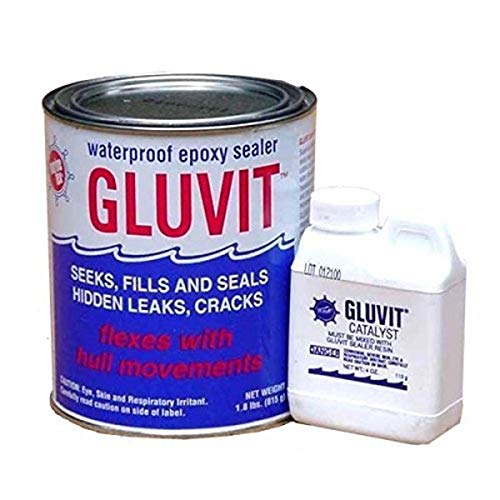
Best for: Boat hulls and decks that require a versatile barrier coating compatible with fiberglass, wood, aluminum, and steel. Gluvit seals leaky seams and rivets and provides robust protection in mixed-material constructions. Best used when you need a single coating that protects multiple substrates. Caution: Ensure proper surface prep and follow curing times to avoid reduced adhesion in extreme humidity or temperature fluctuations.
TotalBoat Aluminum Boat Barrier Coat (Quart, Gray)

Best for: Aluminum hulls and pontoons needing corrosion protection as a base coat before top coatings. This two-component epoxy primer builds a strong barrier that can be overcoated with paint. It dries quickly with no sanding required between coats, helping to speed up maintenance or restoration projects. Choose this if you plan to apply further bottom paints or colors after sealing.
Tylove Seam Sealer

Best for: All-weather sealing with quick curing and flexible performance. This product bonds to primed, painted, or bare metal and is suitable for RV roofs, autos, and marine uses. It’s designed to be paint-ready in 30 minutes, which helps speed up multi-step repairs. Limitation: It may not be ideal for heavy underwater immersion unless specified for such use by the manufacturer.
Berkland Marine Adhesive Sealant 5200 Fast Cure

Best for: Permanent, watertight bonds above and below the waterline, with UV resistance for long-term exposure. This fast-cure version skins in about an hour and reaches handling strength in about 24 hours. It’s well suited for through-hulls, transducers, and hull-to-deck joints. Caution: The product is designed for marine sealing; ensure physical compatibility with the specific substrates in your project.
5200 Marine Sealant (Fortivo)

Best for: Heavy-duty marine sealing with high load-bearing capacity and UV protection. This fast-cure sealant reaches full strength within a day and remains tack-free in about two hours, facilitating quick project turnaround. It is suitable for underwater and above-waterline applications and can be used for hulls, decks, and fittings. Limitation: As with all marine sealants, ensure surface cleanliness and compatibility with substrates to avoid adhesion issues.
Fortivo Black Automotive Seam Sealer
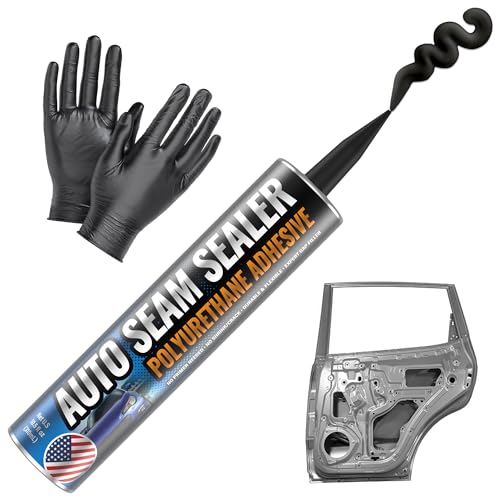
Best for: Automotive and RV applications, with a paintable, quick-set polyurethane formula. Bonds well to primed, painted, or bare metal and cures fast enough for rapid painting. Choose this if you need a versatile sealant that can handle both automotive and outdoor marine environments. Limitation: It is marketed primarily for automotive and RV use; verify marine compatibility for aluminum boats with heavy salt exposure.
Buying Guide
Key considerations when choosing an aluminum boat seam sealer:
- Material compatibility: Aluminum surfaces require sealers that adhere well to metal and resist saltwater corrosion.
- Cure time and handling: Fast-curing products reduce downtime, but longer work times can improve seal quality in complex joints.
- Bond strength and flexibility: A good sealant should remain flexible to absorb expansion, contraction, and vibration without cracking.
- Underwater vs. above-waterline use: Some products are formulated for use above water only, while others are suitable for underwater applications.
- Surface preparation needs: Some sealants require priming or specific surface conditions; others claim easy, no-prep application.
- Paintability: If you plan to paint after sealing, ensure the product is paintable or compatible with your chosen coating system.
- Longevity and UV resistance: Long-term exposure to sun and salt necessitates UV-stable formulations.
Frequently Asked Questions
- What is the best sealant for aluminum boats overall?
The best option depends on your project: for rivet and seam leaks, two-part epoxies like TotalBoat Aluminum Boat Leak Sealer offer strong, flexible seals; for barrier protection and multi-material compatibility, Gluvit-based systems or barrier coats may be preferred.
- Can I use automotive seam sealants on boats?
Some automotive sealants cure quickly and bond well to metal, but verify marine suitability and saltwater resistance before use.
- Do I need to sand aluminum before applying sealant?
Many products advertise no sanding, but light cleaning and degreasing improve adhesion. Always follow the manufacturer’s surface prep guidelines.
- How long does it take for these sealants to cure underwater?
Most marine sealants cure at different rates; some offer fast skins or full cure within 24 hours, but check the specific product’s cure profile for underwater use.
- Is a barrier coat necessary if I already sealed rivets?
A barrier coat adds corrosion protection and helps create a uniform surface for paint or coatings, extending the life of aluminum hulls.
- Which product is best for a quick patch on aluminum hulls?
For quick patches, fast-curing options like Berkland 5200 Fast Cure or Fortivo 5200 variants enable swift sealing and early handling strength, suitable for urgent repair scenarios.