Answer: For reliable shallow-water anchoring, choose a stakeout pole that balances strength, buoyancy, and ease of storage. This guide highlights five durable options suited to small boats, kayaks, and dinghies, with a quick buyer’s table to compare features and ideal use cases. Each product is chosen for its grip, material quality, and practical design for shallow-water conditions.
| Product | Best For | Key Feature | Notes |
|---|---|---|---|
| SuperStick Shallow Water Anchor Pin, 3/4” x 8′ – Black | Small to mid-size boats | Stainless steel spike tip | Durable tip resists wear; simple screw-pole style |
| itayak 8.63′ Shallow Water Anchor Pole – Two Piece | Kayak and light boats | Glass fiber reinforced PA66-GF with carbon fiber connectors | Two-piece design reduces detachment risk |
| Pelican Anchor and Push Pole – 8 ft | Casual boaters and paddlers | Ergonomic handle; integrated hook | Versatile as push pole and anchor |
| EDSRDPLT 2006 7.75′ Anchor and Push Pole | Fishing kayaks and paddle craft | Buoyant two-piece with compass | Floating design aids storage and navigation |
| Island Anchor – 1″ x 8′ | Larger boats, harsher conditions | 316 stainless steel tip; serious fiberglass build | Strongest option for rugged use |
SuperStick Shallow Water Anchor Pin, 3/4” x 8′ – Black
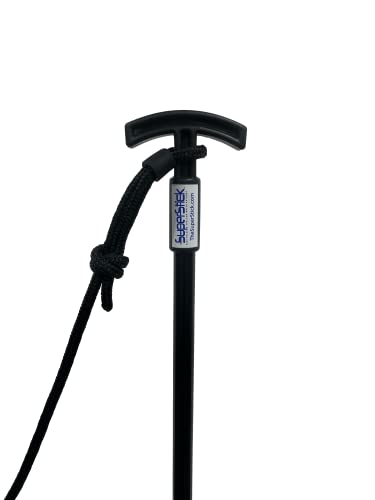
The SuperStick 3/4″ x 8′ anchor pin emphasizes a stainless steel spike tip to minimize tip wear and splintering, aiding straightforward anchoring in shallow water. Best for small boats or dinghies that require a compact, durable stakeout option. The spike design is simple and easy to drive into softer or packed sand without the complexity of a larger anchor system. A limitation is that it focuses on the spike tip durability; it may not offer additional features like integrated handles or floating properties found in multi-piece designs.
Best for: Quick, dependable anchoring on compact craft where you need a sturdy, straightforward spike with minimal components.
itayak 8.63′ Shallow Water Anchor Pole – Two Piece

This 8.63′ anchor pole features a two-piece design with a secure screw-lock connection to minimize detachment risk. It uses a glass fiber-reinforced PA66-GF shaft and carbon fiber connectors, offering lightweight strength and corrosion resistance. A notable caution: handling can reveal glass fibers, so wear protective gloves during handling. Best for: Kayaks or compact boats needing a long, robust pole with easy storage and strong penetration depth in shallow water.
Pelican Anchor and Push Pole – Shallow Water Anchor Pin
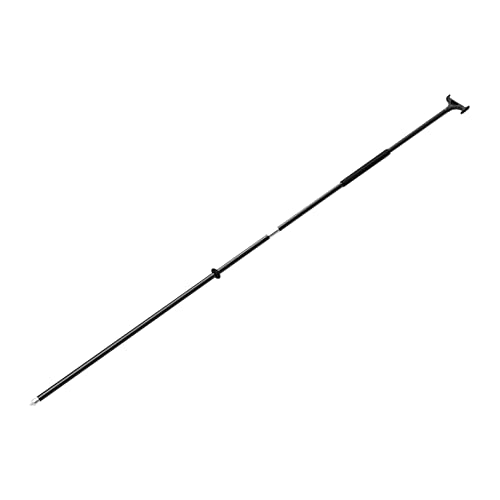
The Pelican model combines an ergonomic, foam-lined handle with an integrated hook, enabling both anchoring and pushing tasks. It features a rubber ring to prevent rope slippage on the two-piece fiberglass shaft and an anodized metal anchor pick for shallow-water use. Best for: Casual boaters who need a versatile pole for pushing and anchoring in calm to moderately shallow conditions. Caution: Two-piece design may require occasional re-tightening to maintain snug joints.
EDSRDPLT 2006 7.75′ Anchor and Push Pole

This floating two-piece pole uses river-friendly materials including reinforced nylon, engineering-grade fiberglass, aluminum, and a 316 stainless steel tip. It includes a built-in compass and an ergonomic T-handle with a non-slip EVA grip. Best for: Kayaks and paddle craft that benefit from buoyant design, easy stowage, and navigational aid. Limitation: The two-piece construction relies on hardware for assembly, which may require periodic checks to ensure a tight fit.
Island Anchor – 1″ x 8′ – Shallow Water Pole

The Island Anchor Pole combines a robust 1″ diameter and an 8′ length with a 316 stainless steel tip and rugged fiberglass construction. It is designed for larger boats and harsher conditions, offering extra strength for challenging environments. Best for: Larger craft or rougher shorelines where a strong, durable stakeout pole is required. Limitation: Heavier than other models, which may affect portability and storage for smaller boats.
Buying Guide: Key Considerations For Shallow-Water Stakeout Poles
- Intended boat size and environment: Match pole diameter and length to your craft and typical water depth. Longer poles offer deeper penetration in shallow water but may be heavier.
- Material and durability: Glass fiber reinforced polymers and carbon fiber connectors provide strength with lightness and corrosion resistance. Stainless steel tips offer long wear resistance in sand and clay.
- Joint design and storage: Two-piece designs improve storage but require secure locking mechanisms to prevent detachment. Screw-lock joints reduce snag risk compared to traditional threaded connections.
- Handle and grip: An ergonomic T-handle or foam-lined grip improves control during insertion and maneuvering in windy or choppy conditions.
- Floating capability: Some poles are buoyant, which helps floatation and easy retrieval after use. Consider this if you regularly drop gear in water.
- Maintenance and safety: Protective gloves recommended when handling fiberglass components; inspect tips for wear and rust periodically.
Frequently Asked Questions
- What is the best stakeout pole for kayaks?
– A two-piece, lightweight pole with a durable tip and corrosion-resistant materials is usually best for kayaks due to storage needs and shallow-to-moderate depths. - Do stakeout poles float?
– Some models are buoyant or buoyant-friendly, but not all. Floating capability helps retrieval if you drop the pole in water. - Should I choose a fiberglass or carbon fiber connector pole?
– Fiberglass-reinforced poles are strong and affordable; carbon fiber connectors reduce weight and improve stiffness, beneficial for portable setups. - What maintenance is needed for a stakeout pole?
– Check the tip for wear, tighten any locking joints as needed, and store dry to prevent corrosion. Wear gloves when handling sharp or cut areas. - Which pole is best for larger boats?
– Poles with thicker diameters, stronger tips, and robust fiberglass bodies are preferable for larger boats and harsher shoreline conditions. - Are there safety risks with stakeout poles?
– Sharp tips can cause injury if mishandled; wear gloves and maintain a stable stance during insertion and retrieval.