Answering the common buyer question: plastic thru-hull fittings are best for lightweight, corrosion-resistant, above-waterline connections in boats and yachts. This guide highlights five reliable options, suitable for different hose sizes and applications such as scuppers, bilge outlets, and livewell systems. Choose based on hose inner diameter, installation space, and whether you need a straight or angled connection. The following selections target everyday marine use for recreational boats and small vessels, with clear reasons for each pick.
| Product | Hose Size | Material | Best For |
|---|---|---|---|
| SEAFLO Thru Hull Fittings (1″) | 1″ | Polypropylene | Secure above-waterline connections on larger hoses |
| Seachoice 90-Degree Angled Thru-Hull Connector | ¾” | ABS/Plastic | Angled routing in tight spaces |
| Grngven 3/4″ Thru-Hull Fittings | ¾” | ABS Plastic | Durable, corrosion-resistant interior routing |
| Grngven 1″ Thru Hull Fittings | 1″ | ABS Plastic | Secure 1″ hose connections |
| SEAFLO ¾” Thru Hull Fitting (1 Pack) | ¾” | Polypropylene | Fresh-water and bilge/overflow duties |
SEAFLO Thru Hull Fittings (1″)

Best for: boats needing a robust 1″ port for larger hoses. This option offers a simple, straightforward install with a long-lasting white finish. The 4-year warranty adds reliability for seasonal use and year-round cruising. Choose this if you require a standard, widely compatible thru-hull for 1″ hoses and easy maintenance.
Limitations: designed for 1″ hose, so it is not suitable for smaller-diameter lines without adapters. Ensure hull clearance supports the flange size.
Seachoice 90-Degree Angled Thru-Hull Connector
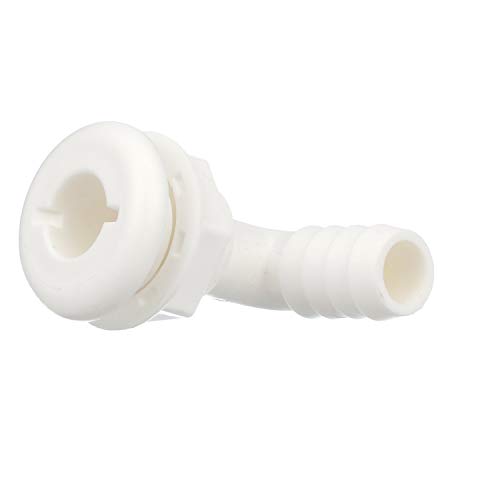
Best for: installations with restricted vertical space where a 90-degree turn helps route hoses cleanly. It fits ¾” inside-diameter hose and uses a white finish to blend with most hull colors. This connector is well-suited for scupper lines or bilge drains in tight spaces.
Caution: Ensure the flange is compatible with your hull thickness and mounting pattern (1-1/2″ flange noted in specs).
Grngven 3/4″ Thru-Hull Fittings

Best for: durable, corrosion-resistant ¾” connections where stability and long life matter. Made from ABS plastic, these fittings are designed for secure above-waterline hose connections with adjustable rotation torque. Good for universal ¾” hose use on smaller vessels or secondary drains.
Limitation: ¾” sizing may not fit all primary bilge or livewell lines on larger boats; verify hose ID before purchase.
Grngven 1″ Thru-Hull Fittings
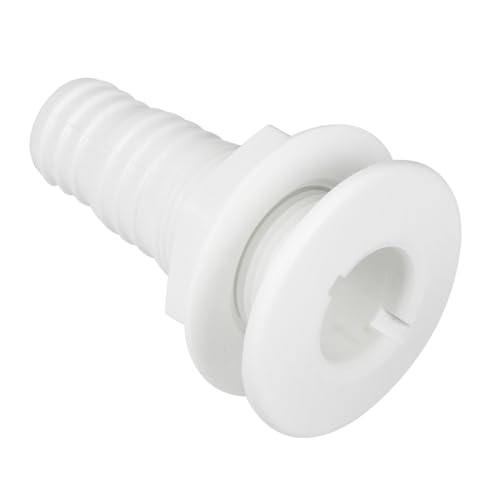
Best for: larger 1″ hose connections on boats requiring a secure, corrosion-resistant option. ABS plastic construction supports reliable above-waterline routing. Suitable for scupper or bilge drain lines in mid-sized vessels.
Limitation: ensure the inner diameter matches your hose; some 1″ hoses may require precise sizing to seal properly.
SEAFLO ¾” Thru Hull Fitting

Best for: ¾” hoses in applications like overflow drains, bilge outlets, and livewell plumbing. It uses polypropylene for marine-resistance and is designed for above-waterline sealing. This is a reliable pick for smaller boats or as a secondary fitting in a multi-port system.
Caution: check compatibility with UV exposure and solvent resistance for your environment; polypropylene performs well but may be less forgiving in extreme UV without protective coatings.
Seachoice Polypropylene Extra Long Thru-Hull Connector

Best for: situations requiring extra reach or alignment with longer hose runs. The ¾” inside-diameter fits standard lines, with a flange offering a stable mounting surface. Use for bilge and livewell connections where length matters.
Limitation: longer fittings can require more space inside the hull or cockpit area for proper routing.
Buying Guide
What size do I need?
Match the inner diameter of the hose to the thru-hull fitting size. Common options include 1″, ¾”, and ½” hoses. If your system uses multiple lines, consider adapters or multiple fittings with compatible flanges.
What material matters?
ABS plastic and polypropylene are common for plastic thru-hulls. ABS offers impact resistance and rigidity, while polypropylene resists UV exposure and corrosion. Both are generally suitable for above-waterline use in marine environments, with different tolerances to fuels and oils.
Should I choose straight or angled fittings?
Angle fittings (like 90-degree connectors) help route hoses in cramped spaces or around hull hardware. Straight fittings are simpler and often more compact but may require more space for routing.
How important is the flange size?
The flange provides mounting stability. A larger flange (for example 1-1/2″ or 1-3/4″) helps distribute load on the hull, reducing leaks. Verify the hull thickness and mounting pattern before purchasing.
What about durability and maintenance?
Look for marine-grade plastics with UV resistance and corrosion resistance. Regular inspection for cracks or loosening fittings is important, especially in saltwater environments. If you operate in extreme climates, consider fittings with higher impact resistance or longer service life warranties.
Which option fits a specific application?
- Bilge and overflow drains: polypropylene or ¾” fittings often perform well due to light weight and chemical resistance.
- Livewells and water inlets: larger 1″ fittings can offer more flow and reliability.
- Tight spaces: angled or extra-long fittings help with routing.
Maintenance tips
- Inspect seals and mounting screws during seasonal checks.
- Rinse fittings with fresh water after exposure to saltwater or fuels.
- Replace worn or cracked fittings before they fail under load.
FAQ
- What is a thru-hull fitting used for?
- Is plastic better than metal for thru-hull fittings?
- Can I use a smaller size than my hose ID?
- Do I need to worry about UV exposure?
- How many thru-hull fittings should I have?
- What maintenance steps are recommended?
A thru-hull fitting creates a secure connection from inside a boat to the exterior plumbing, allowing hoses to pass through the hull for bilge, scuppers, or livewell systems.
Plastic fittings resist corrosion and are lighter, making them suitable for many recreational boats. Metal fittings can offer higher strength but may require coatings to prevent rust.
No. fittings should match the hose’s inside diameter to ensure a proper seal and leak-free connection. Use adapters only if you have exact, compatible components.
Yes. Some plastics degrade under prolonged sun exposure. Look for UV-resistant materials or place fittings in shaded areas when possible.
For basic setups, two to four fittings cover most bilge, scupper, and livewell needs. Complex systems may require more ports for organization and redundancy.
Regularly inspect for cracks, ensure tight seals, rinse after saltwater use, and replace aging components before failure.