When selecting a diesel fuel treatment for marine engines, aim for products that reduce soot, protect against corrosion, improve lubricity, and prevent water-related issues. This article highlights five effective choices for boaters and commercial marine operators, focusing on reliability, fuel efficiency, and engine protection. The guide helps you match each product to your vessel type and operating conditions, from recreational boats to commercial fleet engines.
Summary of selected products:
- Biobor MD Diesel Fuel Additive — soot reduction, cetane boost, and anti-gel benefits.
- Biobor JF Diesel Fuel Additive — biocide with dual-phase protection against microbial growth.
- STA-BIL 360 Marine Diesel Fuel System Treatment — sludge prevention, system cleaning, and corrosion protection.
- Archoil AR6500 Diesel Treatment — lubricity improvement and injector/turbo deposit control.
- The Fuel Ox Marine Complete Fuel Treatment — catalytic combustion and water removal for diesel and gas engines.
Biobor MD Diesel Fuel Additive for Marine & Road

Best for: Boats and light commercial diesels needing soot reduction and cetane enhancement. Biobor MD lowers soot emissions by up to 94% and reduces carbon deposits on critical engine parts. It raises Cetane by up to six numbers, enabling faster ignition and potentially better torque and fuel economy. Lubricity is improved by around 12.5%, helping lower maintenance costs and extending component life. Anti-gel properties support steady fuel flow in cold marine conditions.
Why selected: This additive combines soot reduction, ignition improvement, and lubricity in one product, making it a strong all-around marine treatment for maintaining clean injectors and reducing engine deposits. It is particularly useful for older engines or vessels operating in variable temperature ranges.
Caution: Use exactly as directed to avoid over-dosing, which could affect fuel balance in sensitive systems.
Biobor JF Diesel Fuel Additive

Best for: Vessels needing microbial control and corrosion protection in fuel systems. Biobor JF is a highly effective biocide that kills and prevents microbial growth in fuels, including bacteria and fungi, while also lubricating injectors and fuel pumps. Its dual-phase chemistry partitions water and fuel phases for improved protection against microbe-related contamination and corrosion.
Why selected: Microbial growth can threaten fuel quality and engine reliability. JF’s dedicated biocide approach reduces biomass in tanks and helps protect metal components from acidic by-products of microbial activity.
Caution: Ensure correct dosing for your tank size to maintain microbial control without excessive residuals in fuel systems.
STA-BIL 360 Marine Diesel Fuel System Treatment
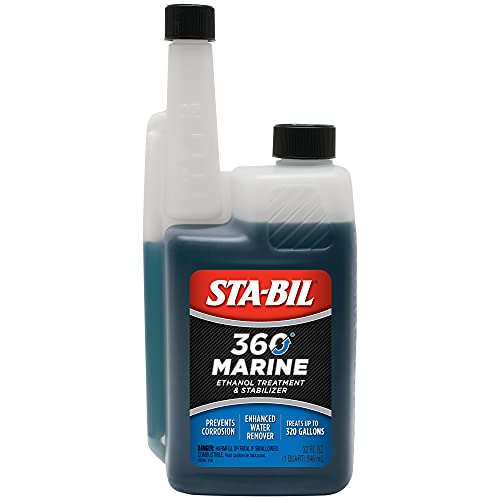
Best for: Boats and watercraft needing comprehensive fuel system care. This treatment cleans and lubricates the entire fuel system, protects against corrosion, and helps prevent ethanol-related damage. It also aims to keep fuel fresh for longer by preventing sludge build-up and maintaining system cleanliness.
Why selected: STA-BIL 360 Marine offers a balanced approach to fuel system maintenance, combining cleaning, lubrication, and corrosion protection in one formula. It’s suitable for fleets that require regular maintenance across varying operating patterns.
Caution: Effectiveness depends on regular use as part of a routine maintenance schedule; sporadic dosing may not yield full benefits.
Archoil AR6500 Diesel Treatment

Best for: Engines requiring lubricity improvements and injector/turbo deposit control. AR6500 treats up to 400 gallons per bottle and is suitable for a wide range of diesel engines, including modern high-pressure common rail (HPCR) systems. It claims to improve lubricity and help protect critical wear parts like CP4 pumps.
Why selected: AR6500’s focus on lubricity and deposit control addresses two common failure modes in diesel systems. This makes it a practical choice for vessels with higher pump pressures or older hardware subject to wear.
Caution: For HPCR systems, follow the dosing instructions precisely to avoid unintended interactions with other additives.
The Fuel Ox Marine Complete Fuel Treatment

Best for: Diesel and gas engines requiring a combustion catalyst and water management. Fuel Ox Marine contains a patented combustion catalyst to promote more complete burning, coats the fuel system to resist ethanol-related corrosion, and acts as a demulsifier to separate water from fuel for easier removal.
Why selected: It combines multiple benefits—enhanced combustion efficiency, ethanol protection, and water separation—into one treatment. This can be advantageous for mixed-fuel fleets or boats operating in waters with variable fuel quality.
Caution: The catalyst approach can interact differently with certain engines; verify compatibility with your specific engine model and fuel type before regular use.
Buying Guide
What should you consider when choosing a marine diesel fuel treatment?
- Engine type and fuel: Do you run pure diesel, or a mix with gasoline? Choose products validated for diesel systems, or those that explicitly support both fuels if needed.
- Primary goal: Is your priority soot reduction, lubricity, water separation, or microbial protection? Pick products that target your top concern.
- System maintenance needs: Are you addressing corrosion protection, sludge prevention, or injector/pump cleanliness? Use a comprehensive cleaner and lubricity booster when needed.
- Dose and usage frequency: Some treatments are best used at every fill-up; others work well as periodic maintenance. Align with your fueling routine.
- Compatibility: Check for compatibility with ethanol-containing fuels and your engine manufacturer’s guidelines.
Practical comparison at a glance
- Soot, cetane, and lubricity focus: Biobor MD
- Biocide and corrosion protection: Biobor JF
- Comprehensive sludge prevention and cleaning: STA-BIL 360 Marine Diesel
- Lubricity and deposit control for injectors: Archoil AR6500
- Combustion catalyst and water management: Fuel Ox Marine
Useful dosing and usage questions
- How often should I treat my fuel? Refer to each product’s dosing instructions for regular intervals or per-fill usage.
- Can I use multiple products together? Some formulations can be complementary, but follow label guidance to avoid adverse interactions.
- Will these treatments affect fuel economy? Many products aim to improve combustion, lubricity, and system cleanliness, which can influence efficiency.
- Is it safe for all diesel engines? Most products target a broad range of diesel engines, including HPCR systems, but verify compatibility with your engine.
Frequently asked questions
- What are marine diesel fuel additives used for? They improve combustion, protect fuel systems, reduce deposits, and manage water and microbes in fuel.
- Do marine fuels contain water? Water can enter fuel through storage or handling; many additives help separate or remove it.
- Can fuel additives prevent corrosion? Yes, several products provide corrosion protection for metal components in fuel systems.
- Arecetane boosters beneficial for marine engines? Cetane enhancement can improve ignition and torque, especially in cold or marginal fuels.
- Should I treat every fill-up? Regular dosing often yields better protection and performance than occasional treatments.